
Souq: Traditional Middle Eastern Marketplace
A souq (or souk) is a historic open-air market and commercial quarter in Arab and North African cities, known for specialized traders, bargaining, and its role in social and urban life.
Overview
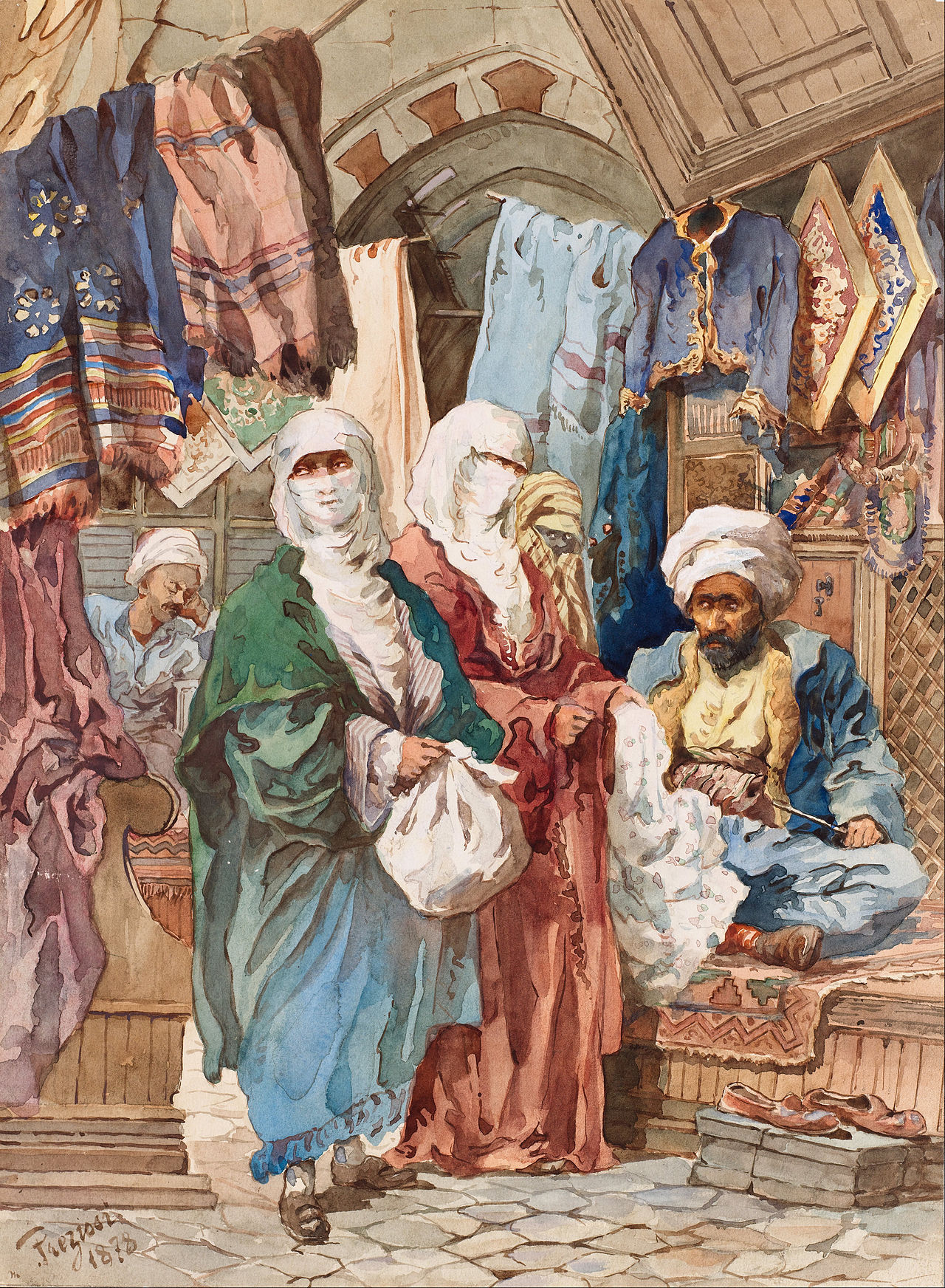
A souq (also spelled souk, sooq, suk or suq) is a traditional marketplace commonly found in Arab and North African towns and cities. Functioning as both a commercial hub and a social space, souqs range from informal street stalls to extensive covered complexes. Vendors sell food, textiles, metalwork, jewelry and household goods, while customers bargain over price rather than accepting fixed tags. The word is widely used for the central market area of a city and has been adopted into many languages to describe similar market forms.
Image gallery
10 Images




Layout and characteristics
Souqs often develop distinctive physical and commercial patterns. They may be organized by trade, with specific lanes or quarters for leatherworkers, spice merchants, goldsmiths or cloth sellers. Some are clustered around a mosque, caravanserai (inn) or main street and include permanent shops, temporary stalls and workshops where goods are produced on site. Covered alleys and narrow passages protect shoppers from sun and wind in hotter climates, and the spatial arrangement encourages foot traffic and chance encounters.
Common sections and features
- Textiles and clothing: fabrics, garments and tailoring services.
- Spices and foodstuffs: local ingredients, dried fruits and herbs.
- Metal and craft workshops: lamps, brassware and tools.
- Jewelry and gold souks: precious metals and gemstones with specialized dealers.
- Services: repair shops, coffeehouses and small inns serving merchants.
History and development
Markets of this type have existed for centuries across the Middle East, North Africa and parts of Asia where trade routes converged. Souqs grew up at crossroads, ports and caravan stops to serve local populations and long-distance traders. Over time many souqs became permanent urban institutions, adapting to changing political and economic conditions. In some regions the term is also applied to weekly rural markets where people from surrounding villages gather to buy, sell and exchange news.
Modern role and examples
Today souqs continue to serve local needs while also attracting tourists interested in traditional crafts and the atmosphere of historic quarters. In many cities they coexist with modern shopping malls and supermarkets, and some souqs have been conserved or restored as heritage sites. In diasporic contexts and larger Western cities, souq-style markets and festivals recreate elements of the traditional experience for new audiences. For background on cultural and regional variations see Berber and regional markets and general discussions of the market as an urban institution.
Distinctions and notable facts
While often compared to bazaars and markets elsewhere, souqs are notable for their trade-specific quarters, the practice of bargaining, and their integration with urban life. They have been centers of craftsmanship and small-scale manufacture, and in many cities still supply everyday household items better than modern retail outlets. Preservation efforts balance tourism, local commerce and historic character in many well-known souqs across the region.
Related articles
Author
AlegsaOnline.com Souq: Traditional Middle Eastern Marketplace Leandro Alegsa
URL: https://en.alegsaonline.com/art/92078