
Stock market: structure, function, and significance
An accessible overview of stock markets: what they are, how they work, key participants and instruments, historical development, uses, and main risks.
Overview
A stock market is a system that facilitates the buying and selling of ownership interests in companies, commonly called shares or stocks. Trades take place through regulated exchanges and over-the-counter venues where prices are formed by supply and demand. Many participants—individual investors, institutions, brokers and market makers—interact directly or through electronic systems. The organized venue is often referred to as a stock exchange; examples and further background can be found via exchange information.
Image gallery
10 Images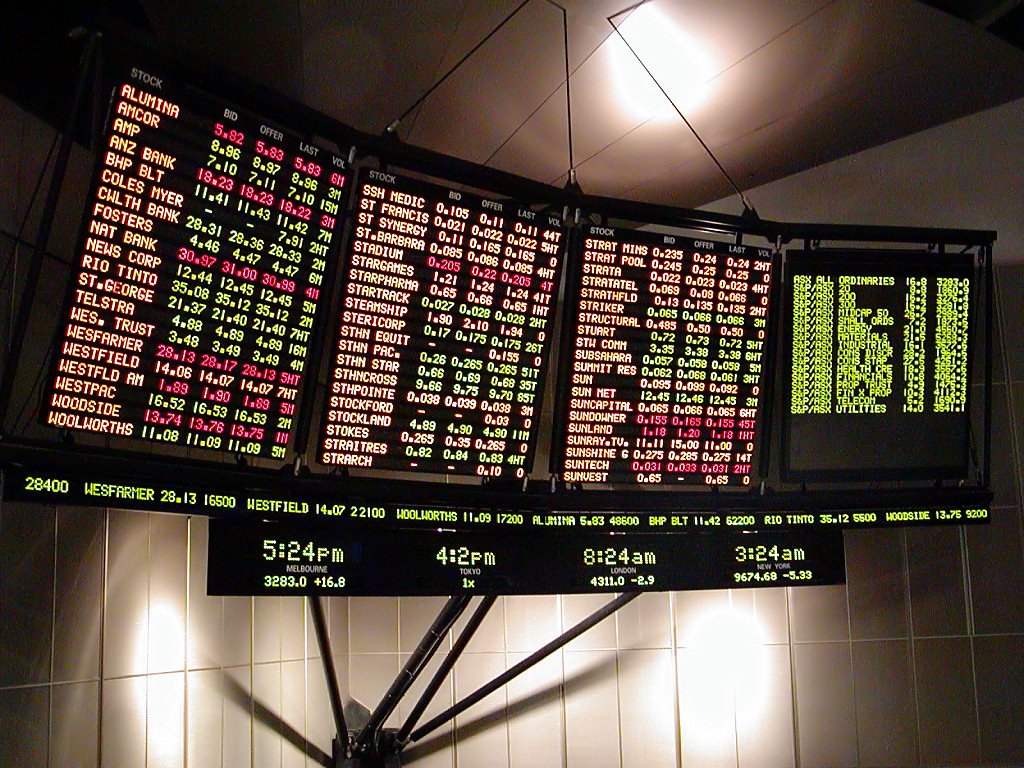


How it works
When a company wants to raise capital it may issue shares that represent fractional ownership. Buyers and sellers submit orders that match on price and quantity. Prices change continuously as new information, sentiment and capital flows alter willingness to buy or sell. Electronic order books, auction mechanisms and clearing systems work together to record transactions, transfer ownership and settle payments.
Participants and instruments
- Retail investors: individual people trading for personal accounts.
- Institutional investors: pension funds, mutual funds, hedge funds and insurers.
- Brokers and dealers: intermediaries that execute or facilitate trades.
- Market makers and electronic trading platforms: provide liquidity and price continuity.
- Instruments: common and preferred shares, depositary receipts, exchange-traded funds and derivatives linked to stocks.
History and development
Modern stock markets evolved from informal merchant gatherings and early organized exchanges in the 17th and 18th centuries. Over time they developed standardized listing rules, regulatory oversight and technological systems for real-time trading and settlement. Globalization and digitalization transformed markets into highly interconnected networks where orders travel near-instantly across borders.
Uses and importance
Stock markets serve several roles: they enable companies to raise long-term capital, allow investors to share in corporate profits and provide price signals that reflect expectations about economic value. Markets also support risk management through liquidity and financial instruments that allow hedging and portfolio diversification. Public listings can increase a company’s visibility and governance scrutiny.
Distinctions and risks
Not all trading happens on a single exchange; some securities trade over-the-counter or on electronic platforms. While markets facilitate wealth creation, they also carry risks: price volatility, liquidity shortages, operational failures and regulatory or systemic crises. Investors should understand fundamentals, time horizons and diversification strategies. For basic definitions of shares and trading mechanics consult resources such as stock and share guides.
Related articles
Author
AlegsaOnline.com Stock market: structure, function, and significance Leandro Alegsa
URL: https://en.alegsaonline.com/art/93981