
State capitalism: an overview of state-led market economies
State capitalism is an economic model in which the state acts as an owner or major market actor, running firms for profit while markets, firms and wage labor continue to operate.
Overview
State capitalism describes arrangements in which the state or government plays an active ownership role in businesses that operate in market conditions. Unlike classical free-market models, where private individuals or shareholders own productive assets, state capitalism features public control of enterprises that seek profit, compete, or set prices within markets rather than being wholly planned centrally.
Image gallery
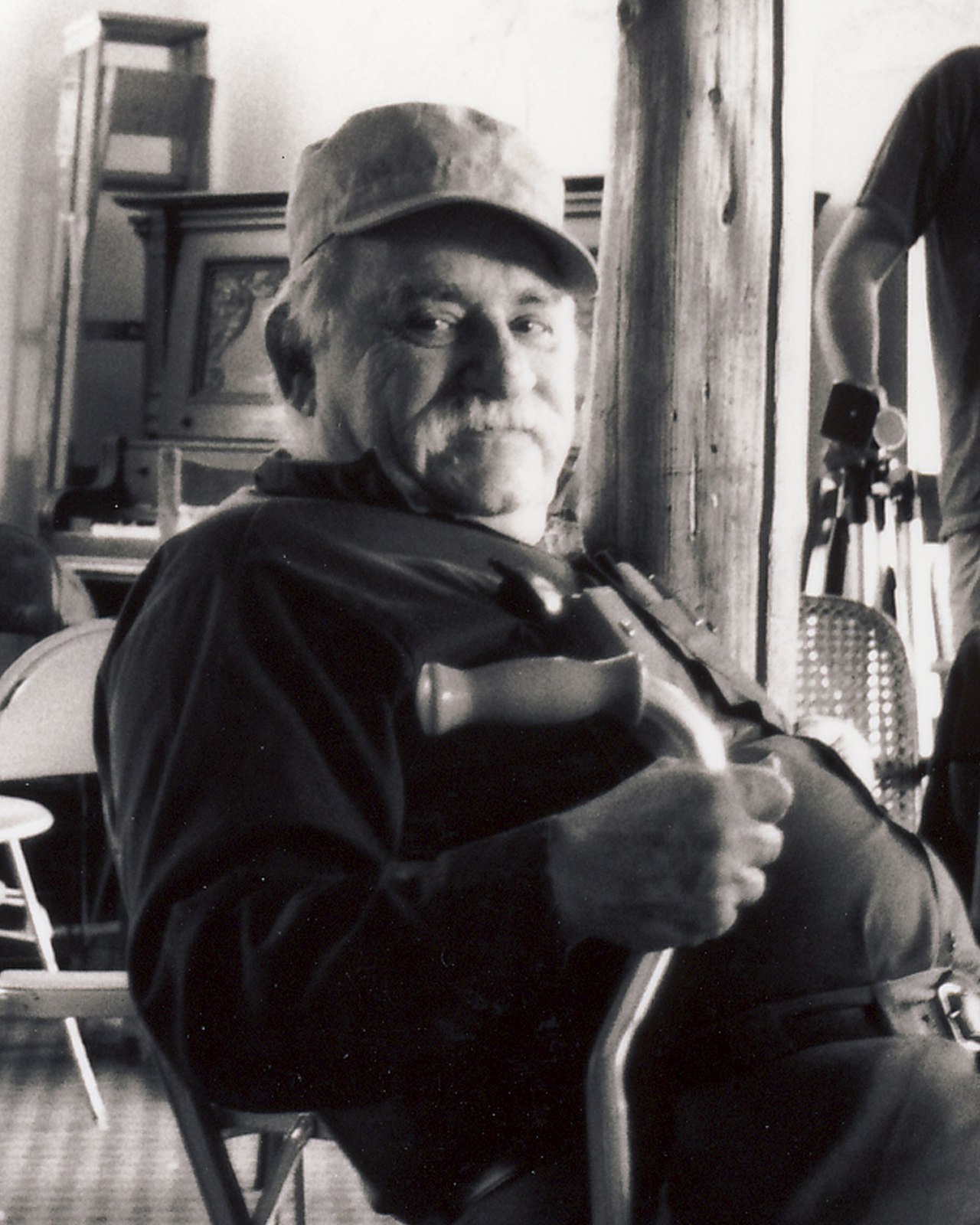
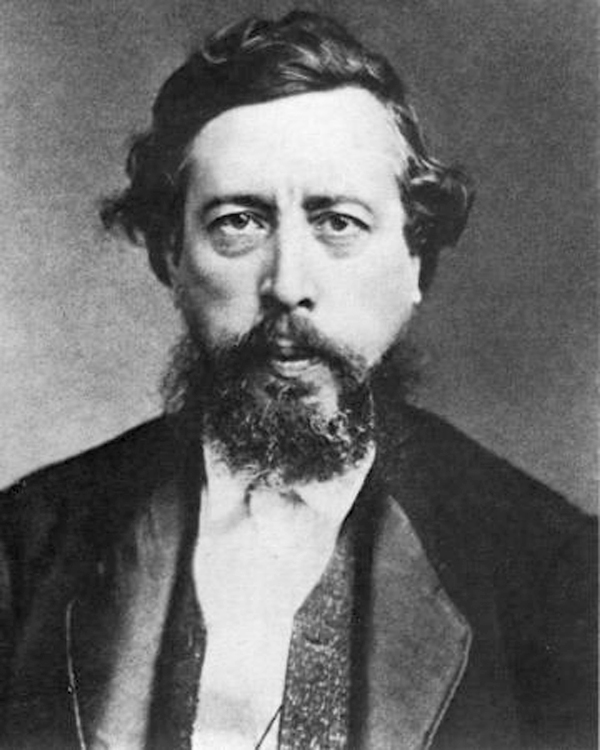
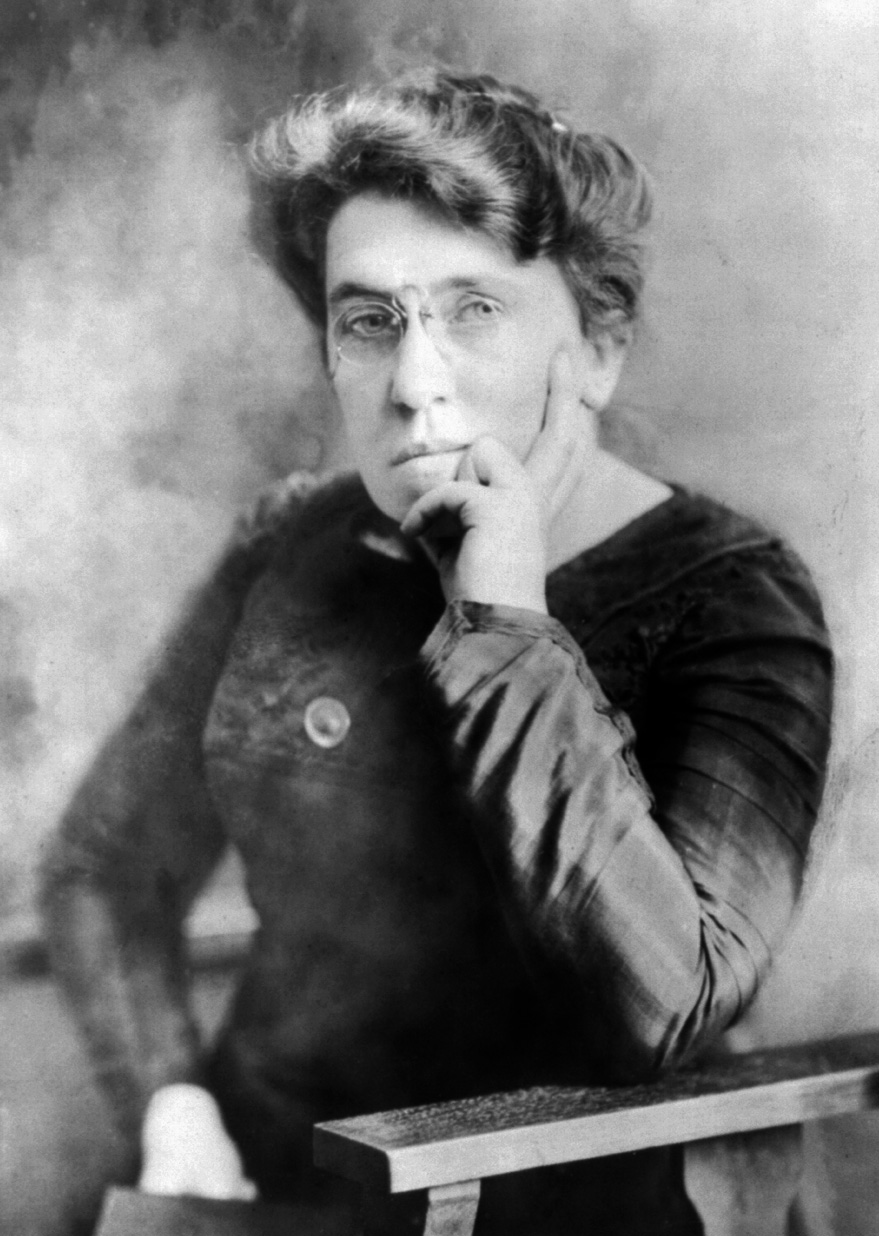
8 Images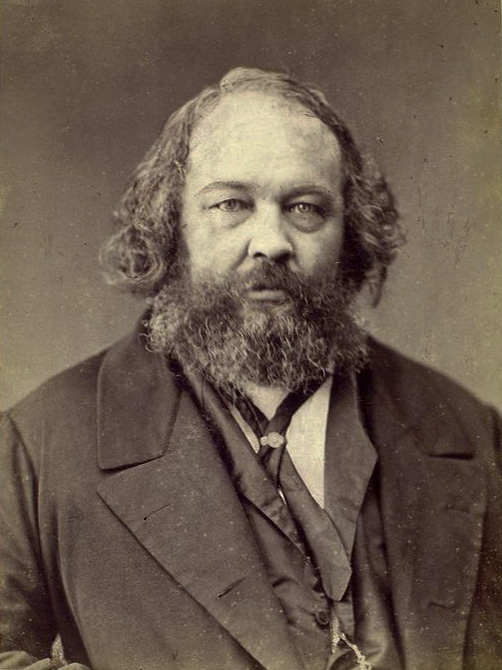



Key characteristics
- State ownership or majority stakes in companies and banks, sometimes organized as public corporations or sovereign investment vehicles under government institutions.
- Direct control of the production process in strategic sectors alongside private-sector activity.
- Management that treats state-owned firms like commercial entities accountable for returns on capital, while retaining political oversight of assets and policy aims.
- Ownership or control of the means of production by public bodies in some industries, rather than private owners alone.
- State-run or state-influenced businesses that interact with private suppliers, investors and consumers.
- Continued employment relationships between employers and workers within firms that may differ in governance from private companies.
- A contrast with pure capitalism in the degree and form of state participation in markets.
Origins and development
The term has been used to describe a range of phenomena from 19th-century industrial policies to modern state-owned multinational firms. Over the 20th and 21st centuries, many states expanded commercial ownership to direct investment into infrastructure, energy, finance and industry. In contemporary discussions, countries with large state-owned enterprises or sovereign investment vehicles are frequently cited as examples of state-capital arrangements.
Uses, benefits and criticisms
Advocates argue state participation can stabilize key sectors, direct long-term investment, capture rents for public budgets, and pursue strategic goals such as industrialization or national security. Critics warn of risks including reduced competition, political interference in business decisions, weaker incentives for efficiency, and opacity in governance. Empirical outcomes vary widely depending on legal frameworks, managerial autonomy, transparency and the broader market environment.
Distinctions and important notes
State capitalism is distinct from centralized state socialism: in the latter, the goal is often collective ownership and planned allocation across the economy. In state capitalism, the state typically acts as a commercial owner or investor within market institutions. The model appears in many forms—ranging from mixed economies with a handful of major state companies to economies where the state is the dominant market actor—so analysis requires attention to institutional details rather than labels alone.
Further reading on roles, governance and examples is available through summaries and institutional studies: state roles overview, public ownership and institutions, and sector studies at production and industry, capitalist models, means of production, state businesses, and labour relations.
Questions and answers
Q: What is state capitalism?
A: State capitalism is an economic system where the state government controls most or all steps of making a product.
Q: What is capitalism?
A: Capitalism is an economic system calling for the private ownership of factories and everything needed to make a product, known as the "means of production."
Q: What does "private ownership" mean in free-market capitalism?
A: In free-market capitalism, "private ownership" means that one or a few private owners who own a business have control over the means of production, even though the workers are the people who make the products.
Q: Who controls the means of production in state capitalism?
A: In state capitalism, the state government controls most or all steps of making a product, including the means of production.
Q: What does free-market capitalism call for?
A: Free-market capitalism calls for private ownership of factories and everything needed to make a product, with individual owners having control over the means of production.
Q: How does state capitalism differ from free-market capitalism?
A: State capitalism differs from free-market capitalism in that the state government controls most or all steps of making a product, while free-market capitalism calls for private ownership of the means of production.
Q: Who makes the products in free-market capitalism?
A: In free-market capitalism, the workers are the ones who make the products, although the means of production are owned and controlled by private owners.
Related articles
Author
AlegsaOnline.com State capitalism: an overview of state-led market economies Leandro Alegsa
URL: https://en.alegsaonline.com/art/93504