
Sound film (talkies): history, technology, and cultural impact
A sound film is a motion picture with synchronized recorded sound. This article outlines the technologies, early milestones, and the effects of synchronized sound on filmmaking, performance, and exhibition.
A sound film is a motion picture in which recorded audio has been synchronized with the moving image. Unlike the earlier silent era, when spoken lines were conveyed by intertitles, sound films incorporate a recorded soundtrack that can include music, effects and spoken dialogue. The term "talkie" became a popular nickname after synchronized speech was first introduced on commercial screens. Today nearly all movies use synchronized sound as a standard element of production and exhibition.
Image gallery
10 Images



Technologies and formats
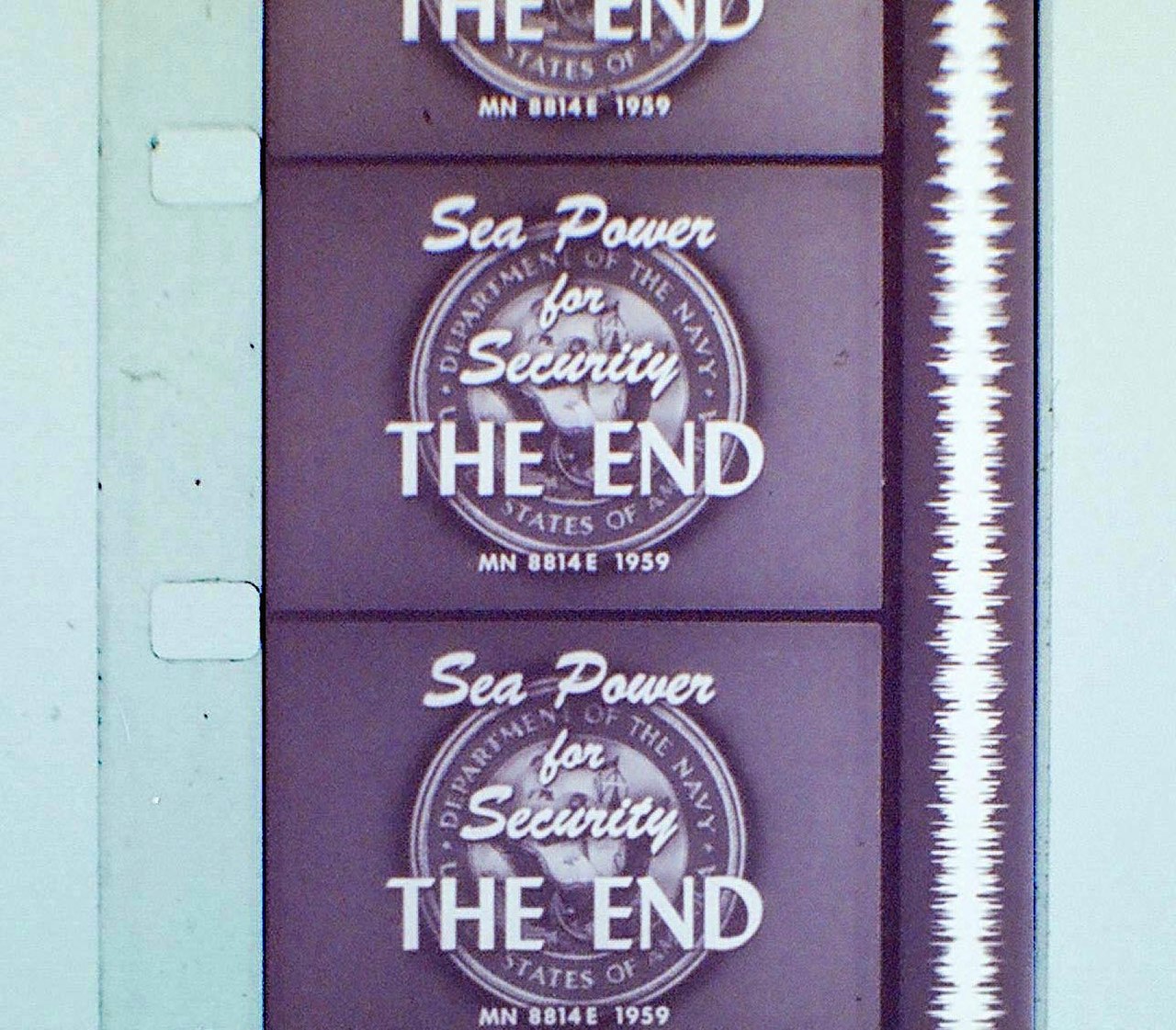
Early systems followed two principal approaches: sound-on-disc and sound-on-film. Sound-on-disc systems recorded audio on phonograph discs that were played in sync with the film; Vitaphone is the best-known example of this method. Sound-on-film recorded an optical or magnetic audio track directly on the film strip; variants include Movietone-style optical soundtracks and later magnetic stripes. Over the decades these evolved into multi-channel magnetic systems and, eventually, digital sound formats used in contemporary cinemas.
Key milestones
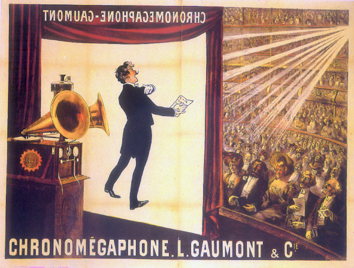
Inventors and companies experimented with synchronized sound from the turn of the 20th century, and short demonstrations and local exhibitions occurred in different countries. One of the earliest public demonstrations took place in Paris around 1900, while a number of short films with synchronized audio were shown commercially in cities such as New York City in the 1920s. The Jazz Singer (1927) is widely credited as the breakthrough feature-length film that brought synchronized spoken sequences to wide public attention and accelerated the industry-wide transition.
Impact on filmmaking and exhibition
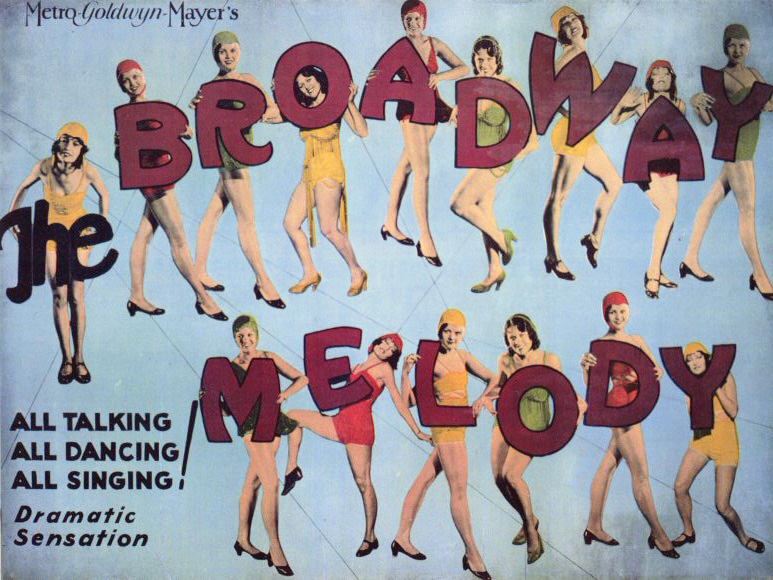
The arrival of synchronized sound transformed many aspects of cinema. Production techniques changed to accommodate microphones and quieter cameras; acting styles and casting shifted toward performers who could speak effectively; and new genres, especially the musical, emerged. Theaters and studios invested heavily to convert to sound-capable equipment, and international distribution had to adapt through subtitling, dubbing, or producing multiple-language versions.
Distinctions and notable facts
- Not all early sound films contained spoken dialogue; some had only synchronized music and effects.
- "Silent" films sometimes received soundtracks later for re-release.
- The shift to sound was rapid once commercial success became clear, but it posed technical and artistic challenges that reshaped the industry.
For further technical or historical detail, consult specialized histories and archives that track early experimental systems, patent development, and the studio-era conversions that established sound as the defining feature of modern cinema. See also the wider social and economic effects on international film markets and theatrical exhibition.
Related articles
Author
AlegsaOnline.com Sound film (talkies): history, technology, and cultural impact Leandro Alegsa
URL: https://en.alegsaonline.com/art/92062