
Sonic the Hedgehog CD (Sonic CD)
Sonic CD is a 1993 Sega CD platformer featuring a time-travel system that alters level states, distinctive regional soundtracks, and the first appearances of Amy Rose and Metal Sonic.
Overview
Sonic the Hedgehog CD — commonly called Sonic CD — is a side‑scrolling platformer video game developed for the Sega CD hardware and released in 1993. It is an entry in the Sonic the Hedgehog franchise and is widely remembered for its inventive time‑travel mechanic, striking visuals for the add‑on format, and regionally different presentation elements.
Image gallery
5 Images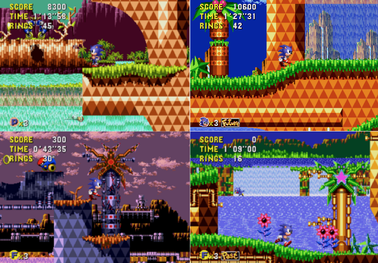



Gameplay and core mechanics
The game's central novelty is a level‑based time system that lets the player move between a zone's past, present, and alternate futures. Actions taken in one time can change how later versions of the same stage look and behave. Players aim to reach positive outcomes for each zone by locating opportunities in the past — for example by destroying machines or completing tasks — that prevent environmental degeneration and the creation of hazardous future variants.
Zones, variants and objectives
Each level exists in multiple variants commonly described as "past," "present," "good future," and "bad future." Those variants feature distinct layouts, enemies, and hazards. The game also includes boss encounters and special stages tied to progression. Multiple endings are possible depending on whether the player secures the better futures in each zone, which encourages exploration and replay.
Characters and story
Sonic CD introduces characters that later became staples of the series, notably Amy Rose — a determined pink hedgehog who seeks Sonic's attention and plays a more active role than in earlier installments — and Metal Sonic, a robotic doppelgänger and recurring antagonist. The broad narrative centers on Sonic racing to defeat the robot and undo the damage threatening a small mysterious world commonly called Little Planet.
Presentation and regional differences
The title is notable for having different audio and some presentation changes between regional releases. Music, intros, and other audio elements were adapted for different markets, resulting in distinct listening experiences across versions. Critics and players often single out the soundtrack and animated opening sequences as memorable features of the game.
Ports, reissues and legacy
Over the years Sonic CD has been reissued on multiple platforms and included in retro collections, bringing the game to newer hardware and digital storefronts. These re-releases sometimes restore or combine elements from different regional versions and often add quality‑of‑life updates. Sonic CD's time‑manipulation concept and its characters had a lasting influence on how the franchise experimented with level design and storytelling.
Notable facts and distinctions
- Sonic CD expanded the franchise's narrative cast with characters that reappeared in later titles and media.
- The time‑travel system is frequently cited as an early example of branching environmental states within a single stage.
- The game was developed specifically to showcase features of the Sega CD add‑on and is remembered for its audiovisual ambition on that hardware.
For more details about the game mechanics, versions, and its place within the series, see coverage on dedicated pages for gameplay analysis and release history. Additional resources and platform listings are available via Sega CD hardware documentation, retrospective reviews at series retrospectives, design discussions at time‑mechanic analyses, and fan pages that track character debuts like Amy Rose. Other reference materials and collections can be found through broader franchise overviews and archived developer notes.
Related articles
Author
AlegsaOnline.com Sonic the Hedgehog CD (Sonic CD) Leandro Alegsa
URL: https://en.alegsaonline.com/art/91867