
Somniosidae — the sleeper sharks
Somniosidae, commonly called sleeper sharks, are slow-moving deepwater sharks in the order Squaliformes known for low activity, cold-water habitats, long lifespans, and vulnerability to fishing.
The Somniosidae are a family of sharks often called sleeper sharks. They belong to the order Squaliformes and are best known for a generally slow, low-energy lifestyle. Species in this family inhabit deep and cold marine waters, showing adaptations for life far below the surface and in high-latitude regions.
Image gallery
4 Images

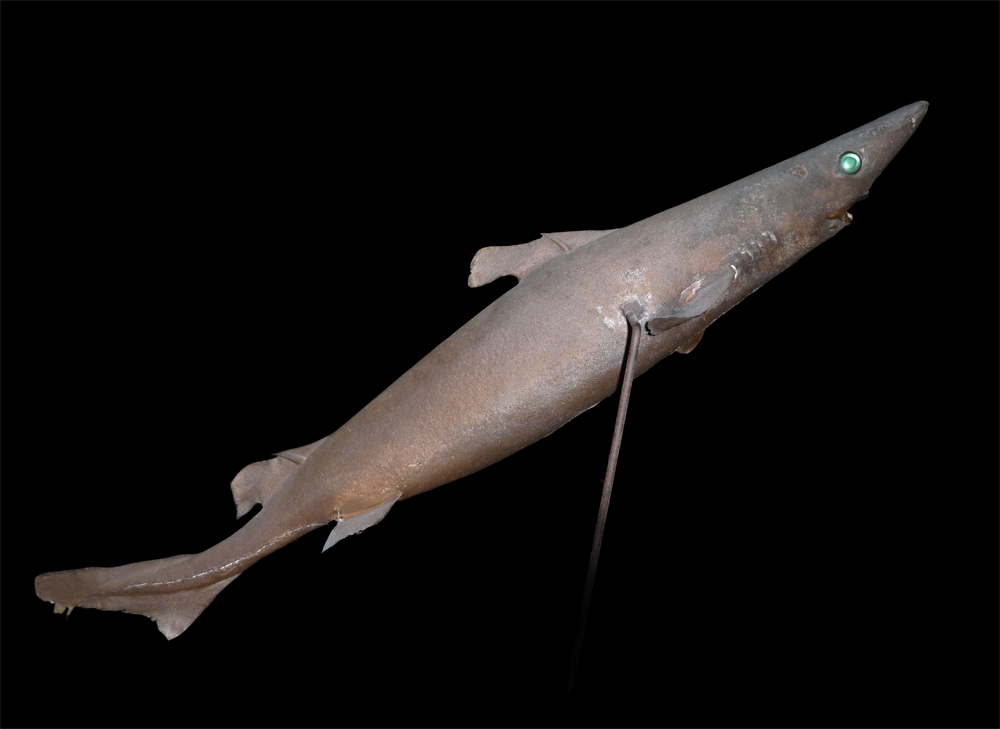

Physical characteristics
Sleeper sharks tend to have robust, cylindrical bodies, blunt snouts and relatively small fins compared with more active shark species. Like other squaliforms they lack an anal fin. Their coloration is typically muted—grey, brown or dusky—to blend with dim, deepwater environments. Dentition and tooth shape vary among species, reflecting diverse diets from scavenging to active predation.
Distribution and habitat
Members of Somniosidae occur across many oceans, often at great depths or in cold temperate and polar waters. Some species range widely across continental slopes and abyssal plains, while others are associated with mid-depth or shelf-edge habitats. Limited observations and deepwater sampling mean many aspects of their distribution remain incompletely documented.
Behavior, diet and life history
Sleeper sharks are characterized by slow swimming and low metabolic rates. They feed opportunistically: scavenging on carrion, consuming fish, squid and, in some cases, marine mammals. Notably, the Greenland shark (a member of this family) has been observed with eye parasites and is cited for extreme longevity; some Somniosidae species are among the longest-lived vertebrates known. Reproductive biology is poorly known for many species but is thought to involve low reproductive rates and slow growth.
Human interactions and conservation
Because of slow growth and small reproductive output, sleeper sharks are vulnerable to overexploitation and bycatch in deepwater fisheries. Data are sparse for many species, so conservation assessments often emphasize precaution. Some populations face direct fishing pressure or incidental capture on longlines and trawls, and their deepwater habits complicate monitoring and management.
Notable species and research
- Greenland shark (well known for longevity and Arctic distribution)
- Pacific sleeper shark (reported from northern Pacific deep waters)
Ongoing research into their age, ecology and population status uses deep-sea surveys, tagging studies and genetic methods. Improved knowledge is important both for understanding deepwater ecosystems and for managing human impacts on these slow-paced predators.
Related articles
Author
AlegsaOnline.com Somniosidae — the sleeper sharks Leandro Alegsa
URL: https://en.alegsaonline.com/art/91795
Sources
- fishbase.org : "Somniosidae"
- mentalfloss.com : "7 Cool Facts About Greenland Sharks"
- seagrant.uaf.edu : "Sleeper Sharks not so sleepy"