
Flounder: flatfish of coastal seabeds — biology, life cycle, and human uses
Flounder are bottom-dwelling flatfish in the suborder Pleuronectoidei known for eye migration, camouflage, and importance to fisheries and coastal ecosystems.
Overview
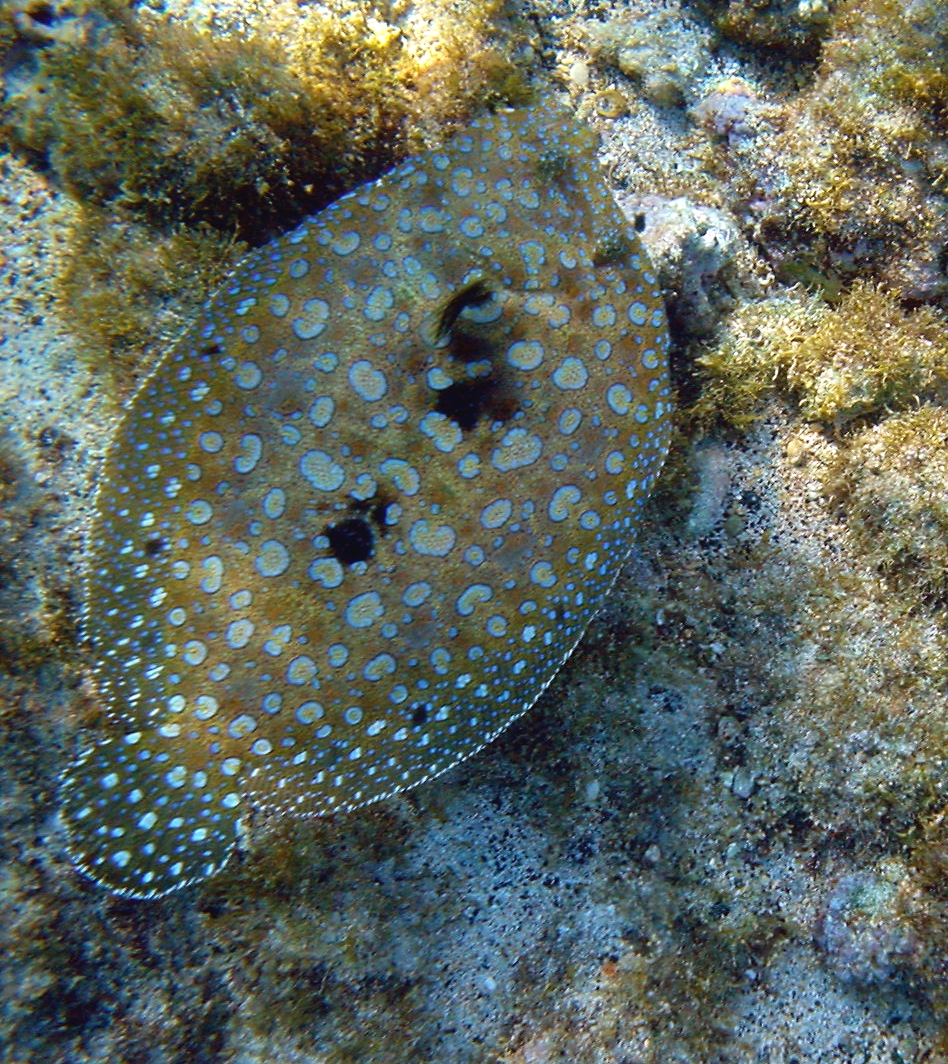
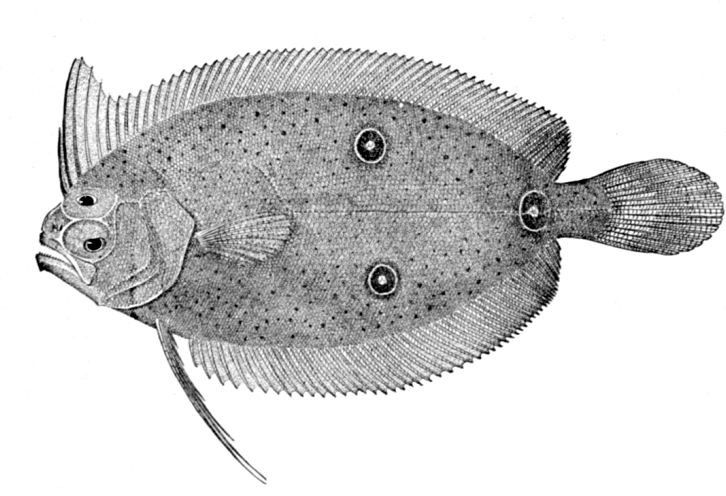
"Flounder" is a common, informal name applied to several families of flat-bodied bottom fish within the suborder Pleuronectoidei rather than a single, closely related lineage. Because it is a form name, animals called flounder may belong to different families including Achiropsettidae, Bothidae, Pleuronectidae, Paralichthyidae and Samaridae. These demersal fishes are adapted to life on soft or mixed seafloors and are widely recognized by their flattened profile and eyes grouped on one side of the head. For general background on flatfish as a group, see flatfish.
Image gallery
10 Images


Anatomy and adaptations
Flounder show a suite of morphological traits suited to a life of concealment on the bottom. Key features include:
- Asymmetry: Juveniles hatch with an eye on each side; during early growth one eye migrates so adults bear both eyes on the upward-facing side.
- Flattened body: A compressed, scaleless or small-scaled body helps them lie close to the substrate.
- Camouflage: Chromatophores allow rapid color and pattern changes to match sand, mud or gravel, supporting ambush predation and avoidance of predators.
- Feeding anatomy: Mouths are often angled to capture small fish, crustaceans and benthic invertebrates.
Life cycle and habitat
Flounder typically inhabit shallow coastal waters, estuaries and continental shelves in temperate and some subtropical regions. Many spend early larval stages in the water column as pelagic larvae before undergoing metamorphosis that relocates an eye and transforms them into bottom-dwellers. Spawning seasons and nursery areas vary by species and region; estuaries and sheltered bays frequently serve as important nurseries. Regional distribution includes populations in the North Atlantic and North Pacific, among other seas — for regional habitat information see local resources or surveys at coastal habitat guides and distribution summaries at marine distribution records.
Human uses and conservation
Flounder are valued in both commercial and recreational fisheries and are a common ingredient in many cuisines due to their mild, white flesh. They are taken by trawl, gillnet and hook-and-line fisheries and are occasionally raised in aquaculture. At the same time, some flounder stocks have experienced declines linked to overfishing, habitat loss (for example, degradation of estuaries), and bycatch effects. Management responses commonly include size limits, seasonal closures, catch quotas and habitat protection, and research into stock status continues. For discussions of fishing impacts and management approaches see materials on fisheries and conservation at fishery management.
Distinctions and notable facts
Not all flatfish are identical: some species are predominantly left-eyed while others are right-eyed, a trait that helps taxonomists distinguish groups. Because "flounder" groups several families, species can differ markedly in size, coloration and ecological role. Their remarkable eye migration during growth is a classic example of developmental change associated with ecological specialization. Flounder therefore serve as useful models for understanding evolution, development and the challenges of managing coastal marine resources.
Further reading and practical notes
When seeking species-level information — identification, local regulations, stock assessments or culinary guidance — consult regional field guides, fisheries agencies and peer-reviewed reviews. Practical considerations for anglers and restaurateurs include seasonality, size regulations and best practices to reduce bycatch and habitat damage. For broad overviews and portals to detailed sources, refer to the linked resources above or specialized fisheries and marine biology texts.
Questions and answers
Q: What are flounders?
A: Flounders are a group of flatfish that live at the bottom of coastal lagoons and estuaries of the Northern Atlantic and Pacific Oceans.
Q: What is the suborder Pleuronectoidei?
A: The suborder Pleuronectoidei is a group of flatfish families that includes Achiropsettidae, Bothidae, Pleuronectidae, Paralichthyidae, and Samaridae.
Q: Are all flounders close relations?
A: No, flounders are not all close relations. The term "flounder" is a form name used for a group of flatfish who only related by being in the suborder Pleuronectoidei.
Q: How many eyes do flounders have when they are hatched?
A: When flounders are hatched, they have one eye on each side of their head.
Q: What happens to the eyes of flounders as they grow?
A: As flounders grow, one eye moves until they have both eyes on the same side of the head.
Q: What has industrial overfishing done to flounder populations?
A: Industrial overfishing has significantly reduced the flounder population to one-tenth of its original size.
Q: Why are the remaining flounder individuals smaller?
A: The remaining flounder individuals are smaller because they rarely have the time to grow to their full size due to industrial overfishing.
Related articles
Author
AlegsaOnline.com Flounder: flatfish of coastal seabeds — biology, life cycle, and human uses Leandro Alegsa
URL: https://en.alegsaonline.com/art/35233