
Sodom and Gomorrah
Two ancient cities in the Hebrew Bible destroyed for widespread wrongdoing; explored here are the biblical account, interpretive traditions, archaeological proposals, and cultural influence.
Sodom and Gomorrah appear in the Hebrew Bible as two neighboring cities destroyed by divine fire after their inhabitants are portrayed as engaging in grievous wrongdoing. The principal narrative is found in the Book of Genesis, where the story centers on the family of Lot, the arrival of two angelic visitors, and an escape from imminent annihilation. The tale also includes the famously brief statement that Lot's wife looked back and became a pillar of salt.
Image gallery
6 Images


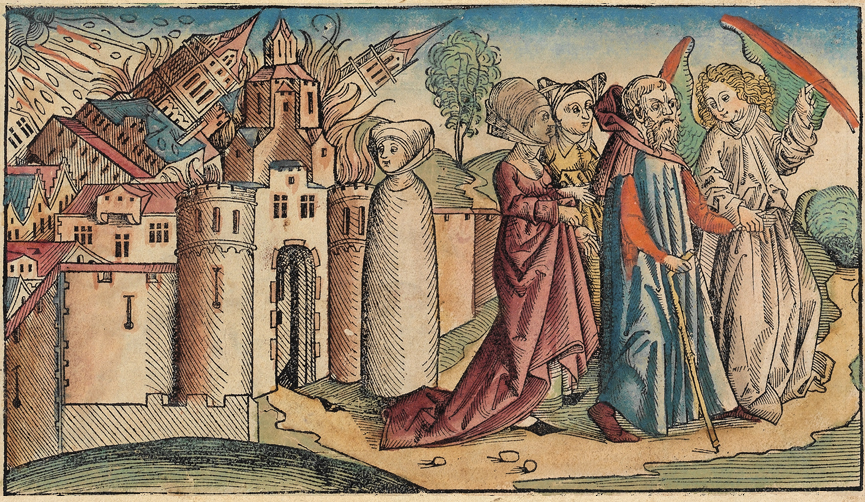
Key episodes in the narrative
- Angelic visitors arrive at Lot's home and are sheltered by him.
- The men of the city demand access to the visitors; the text has been read as describing an attempted sexual assault (rape) and a grave threat to personal safety.
- Lot's response, the blinding of the attackers by the visitors, and the subsequent flight of Lot and his family.
- Destruction of the cities by fire and brimstone and the transformation of Lot's wife into a pillar of salt.
Later interpreters and some traditional readings have attributed additional forms of moral corruption to the cities, including accusations of sexual abuse of minors (child sexual abuse) or general same-sex transgression (homosexuality). Modern scholarship treats such claims cautiously and often emphasizes themes other than sexual behavior alone.
Themes and interpretations
Scholars and theologians have proposed multiple focal points in the story: a condemnation of violent inhospitality, collective injustice toward strangers, attempts at sexual violence, moral arrogance, and a breakdown of social and legal order. Over centuries the name of Sodom became shorthand in some traditions for sexual immorality. The English legal and moral term sodomy derives from Sodom and has been associated in common usage with acts such as anal sex, though legal meanings and moral judgments have varied widely by culture and era.
Historical and archaeological discussion
Attempts to locate Sodom and Gomorrah have proposed several sites near the southeastern shore of the Dead Sea and in the region of ancient Moab. Some archaeological candidates lie east of the southern edge of the Dead Sea and have produced remains that certain researchers date to periods of violent destruction; however, identification remains debated and inconclusive among specialists (Dead Sea region studies continue to inform the discussion).
Cultural legacy and cautions
The story of Sodom and Gomorrah has exerted a long influence on literature, art, law, and popular culture. It has been adapted and invoked in sermons, novels, paintings, and films — including a notable cinematic depiction from 1963 — often as a symbol of divine retribution or social collapse. Modern readers and scholars caution against reductive readings that equate the biblical narrative solely with specific private sexual acts; many emphasize the account's social, legal, and communal dimensions.
For further study consult primary translations of the Genesis account and scholarly treatments that address ancient Near Eastern contexts, legal customs, and archaeological reports. Interpretations differ, and careful attention to the original text and subsequent reception history helps clarify how Sodom and Gomorrah became enduring religious and cultural symbols.
Related articles
Author
AlegsaOnline.com Sodom and Gomorrah Leandro Alegsa
URL: https://en.alegsaonline.com/art/91550