
Soho (London) — West End entertainment and cultural district
Soho is a compact district in the City of Westminster, central London, known for nightlife, music, media, restaurants, historic streets and a long entertainment heritage.
Overview
Soho is a compact neighbourhood in central London within the City of Westminster and forms part of the West End. It has been recognised for many decades as one of the city's primary entertainment and cultural quarters. Its narrow streets contain a mix of restaurants, clubs, independent shops and media offices, and the area is a popular destination for theatregoers, visitors and residents alike.
Image gallery
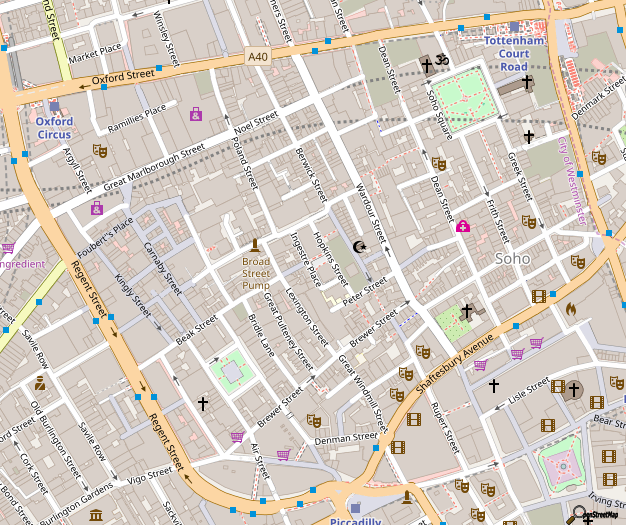
10 Images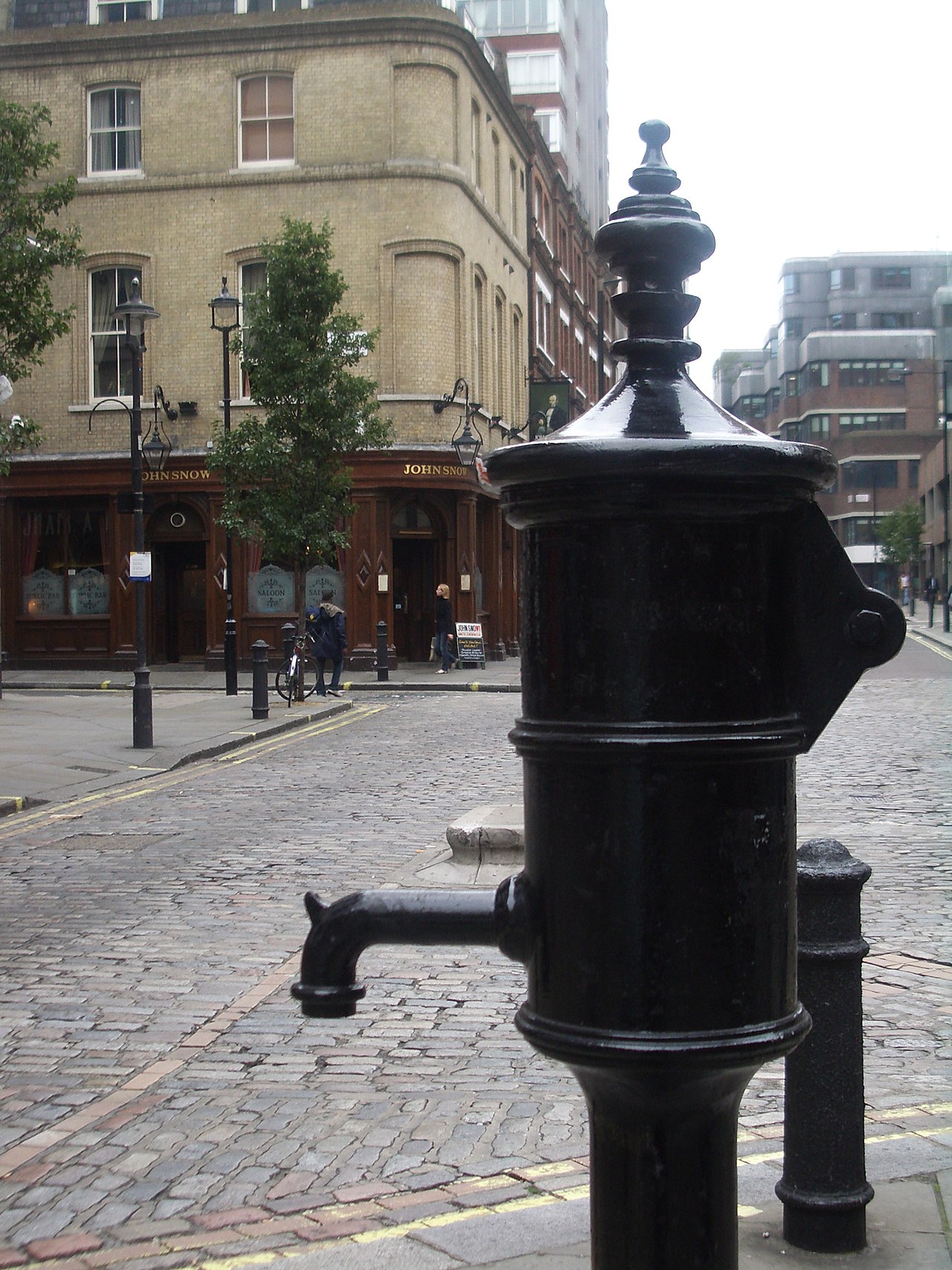



Origins and historical development
The built character of Soho emerged over several centuries. Originally suburban farmland and hunting ground outside the medieval City, it was built up in the 17th and 18th centuries as housing and small businesses. In the 19th and much of the 20th century Soho evolved into a nightlife district: an assortment of bars, music venues — notably jazz clubs — cinemas and theatres attracted artists and audiences. By the mid-20th century parts of Soho were also associated with adult entertainment, including sex shops and other red-light businesses, a social reality that shaped perceptions of the area for decades.
Change and modern character
From the early 1980s Soho experienced significant change. Rising property values and new investment brought upscale dining, boutique retail and offices for newspapers, television and advertising. While some long-established nightlife venues closed, others adapted or survived, keeping a live-music and late-night culture. The district remains a centre for food and social life as well as a business hub for parts of the creative and media industries that had once clustered on Wardour Street and nearby streets.
Streets, culture and community
Soho is defined by a handful of well-known streets and streetscapes. Carnaby Street is synonymous with 1960s fashion and the so-called Swinging London era, while fashion boutiques and markets have long been part of the area's appeal. Theatres, independent cinemas and small music venues continue to operate amid cafés and late-night bars. The neighbourhood also has an important LGBTQ+ history and remains a focal point for gay nightlife and community events.
Uses and significance
Today Soho serves several overlapping roles: a destination for dining and nightlife, a workplace for media and creative firms, and a cultural quarter with live music, performance and historic clubs such as Ronnie Scott's. Its compact size concentrates visitors and businesses, helping to sustain small independent trades as well as national chains. The area also attracts tourists seeking nightlife, shopping and a sense of London's popular culture history.
Notable places and distinctions
- Carnaby Street — centre of 1960s fashion and shopping.
- Wardour Street — long associated with film, post-production and entertainment trades.
- Old Compton Street — a focal point of Soho's LGBTQ+ nightlife and cafés.
- Berwick Street — known for its market and music shops.
Soho's evolution illustrates common urban trends: from residential suburb to entertainment district, then a period of decline and regulation, followed by gentrification and reinvention. This layered history is visible in its streets, venues and continuing mix of independent and corporate presence, and is frequently discussed in planning and cultural studies of London’s urban life. For further context on local governance and cultural programmes, see resources provided by the local borough and visitor guides via bars and nightlife guides, theatre listings and media histories at jazz and music archives and official borough pages.
Readers looking for practical information — maps, opening hours and events — can refer to curated visitor resources and local directories, including specialised coverage of the area's culinary scene, film and media heritage and seasonal festivals (West End visitor pages and local associations). For historical overviews and photographic archives, see cultural collections and published histories on the movie and entertainment industry in Soho.

Questions and answers
Q: What is Soho?
A: Soho is an area of the City of Westminster and the West End of London.
Q: What was the entertainment scene like in Soho during the 20th century?
A: During the 20th century, Soho had sex shops, prostitutes, jazz clubs, bars, night clubs, theaters, and the movie industry.
Q: How has the area of Soho changed since the early 1980s?
A: Since the early 1980s, the area of Soho has moved upmarket and become a fashionable district of expensive restaurants and media offices, with only a few sex industry venues.
Q: Are there any music venues left in Soho?
A: Yes, some music venues, like Ronnie Scott's Jazz Club, have survived in Soho.
Q: What is the significance of Carnaby Street?
A: Carnaby Street is the centre of the 'Swinging London' fashion scene of the 1960s.
Q: What is the significance of Wardour Street?
A: Wardour Street is a center of the movie and entertainment industry.
Q: Is Soho still known for its entertainment scene?
A: While Soho still has some entertainment options, it is now known more for its high-end restaurants and media industry offices.
Related articles
Author
AlegsaOnline.com Soho (London) — West End entertainment and cultural district Leandro Alegsa
URL: https://en.alegsaonline.com/art/91599
Sources
- makingthemodernworld.org.uk : Making the Modern World — John Snow and the Broad Street pump