
Sobhuza II — King of Swaziland (1899–1982), longest-reigning monarch
Sobhuza II ruled Swaziland for 82 years, guiding it from a British protectorate to independent monarchy, centralizing royal authority and preserving Swazi customs while engaging pragmatically with neighbors.
Sobhuza II (22 July 1899 – 21 August 1982) was the traditional ruler who presided over Swaziland for more than eight decades, a tenure often cited as the longest verified reign of any monarch in recorded history. He is commonly styled with colonial-era honors, including KBE, and is remembered both for steering the country through the end of British rule and for reasserting the central role of the monarchy in national life.
Image gallery
7 Images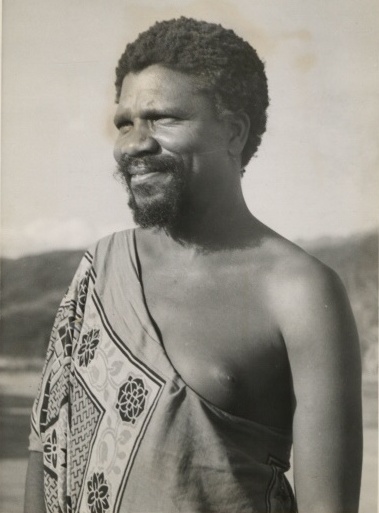


Early life and accession
Born at the royal residence in Zombodze, Sobhuza was a son of King Ngwane V and Inkhosikati Lomawa Ndwandwe. When his father died in 1899, the infant Sobhuza was named paramount chief and a regency council led by his grandmother Labotsibeni and senior princes governed until he reached majority. He received a formal coronation in 1921 and thereafter assumed direct leadership over Swazi affairs under the framework of a British protectorate.
Reign, independence and political changes
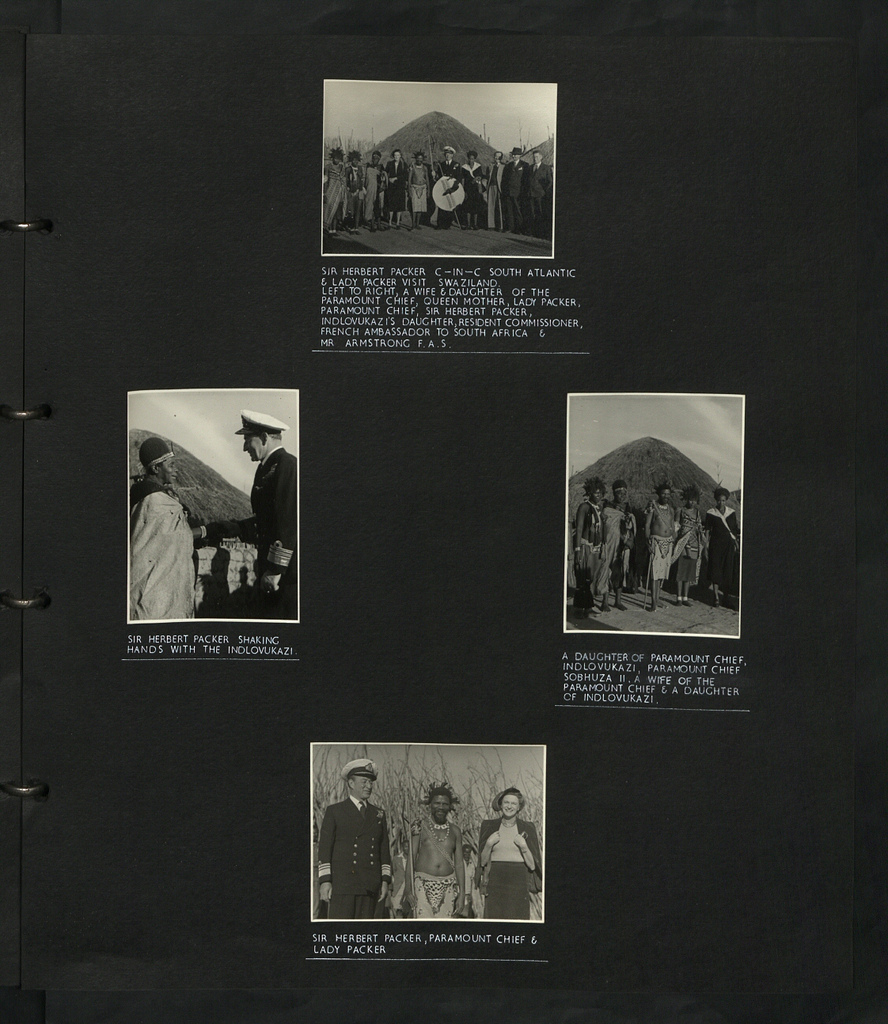
During the mid-20th century Sobhuza navigated colonial administration, emerging nationalism, and regional pressures. As the British prepared to relinquish control over southern African protectorates, Swaziland moved toward internal self-government and full independence in 1968. After independence he shifted from the title of Paramount Chief to that of King (Ngwenyama), preserving a monarchical political order while exercising strong executive authority.
In 1973 King Sobhuza issued a decree abrogating the 1968 constitution and suspending political parties, a step he described as necessary to maintain unity and traditional governance. This move concentrated power in the royal house and reshaped the country’s political institutions, a decision that remains a central part of his political legacy and a subject of debate among historians and political analysts.
Domestic policy, culture and external relations
Sobhuza supported traditional Swazi customs and ceremonial life, including national rituals that reinforce the monarchy’s cultural role. At the same time he oversaw gradual modernization measures—public works, administrative reforms and selective development—while maintaining close economic and diplomatic ties with neighboring states. His relationship with apartheid-era South Africa was pragmatic: he sought to protect Swaziland’s economic interests and sovereignty, a posture that some critics viewed as too conciliatory toward Apartheid policies, while others regard it as pragmatic diplomacy in a difficult regional context involving South Africa.
Family, succession and legacy
Sobhuza practised polygamy in accordance with royal custom; contemporary sources report he had many wives and hundreds of descendants. His long life and extensive family ensured a complex succession process. On his death in 1982 the young Prince Makhosetive, later styled Mswati III, was designated heir; a regency followed and the prince was crowned in 1986 as Mswati III. Sobhuza’s rule left a lasting imprint on the nation: he is credited with safeguarding Swazi traditions and consolidating monarchical authority, while critics point to curtailed party politics and centralized power as enduring controversies.
Notable facts
- Reign length: often cited as more than 80 years from infancy to death.
- Constitutional change: abrogated the post-independence constitution in 1973 and ruled by proclamation thereafter.
- Cultural role: reinforced traditional ceremonies and the monarchy’s central place in Swazi identity.
Sobhuza II remains a pivotal figure in the history of Swaziland (now Eswatini), symbolizing the tensions between modern statecraft and customary monarchy that continue to shape the country’s political and cultural life.
Related articles
Author
AlegsaOnline.com Sobhuza II — King of Swaziland (1899–1982), longest-reigning monarch Leandro Alegsa
URL: https://en.alegsaonline.com/art/91398
Sources
- worldstatesmen.org : "Eswatini (Swaziland)"
- sntc.org.sz : "Swaziland National Trust Commission - Cultural Resources - King Sobhuza II"
- people.com : "Long Live the King: Sobhuza II of Swaziland looks back on 80 Years and 100 wives"
- sntc.org.sz : "Succession In Swazi Kingship"