
Sobek: Ancient Egyptian Crocodile God
Sobek was an ancient Egyptian deity linked to crocodiles, the Nile, fertility, protection, and royal power. His cult kept live and mummified crocodiles and centered at sites such as Crocodilopolis and Kom Ombo.
Overview
Sobek was a prominent figure in ancient Egyptian religion whose attributes connected him to the crocodile, the life-giving waters of the Nile, and aspects of kingship and fertility. He embodied both the danger posed by crocodiles and the protective, regenerative forces associated with the river that sustained Egyptian agriculture and settlement.
Image gallery
9 Images





Appearance and symbolism
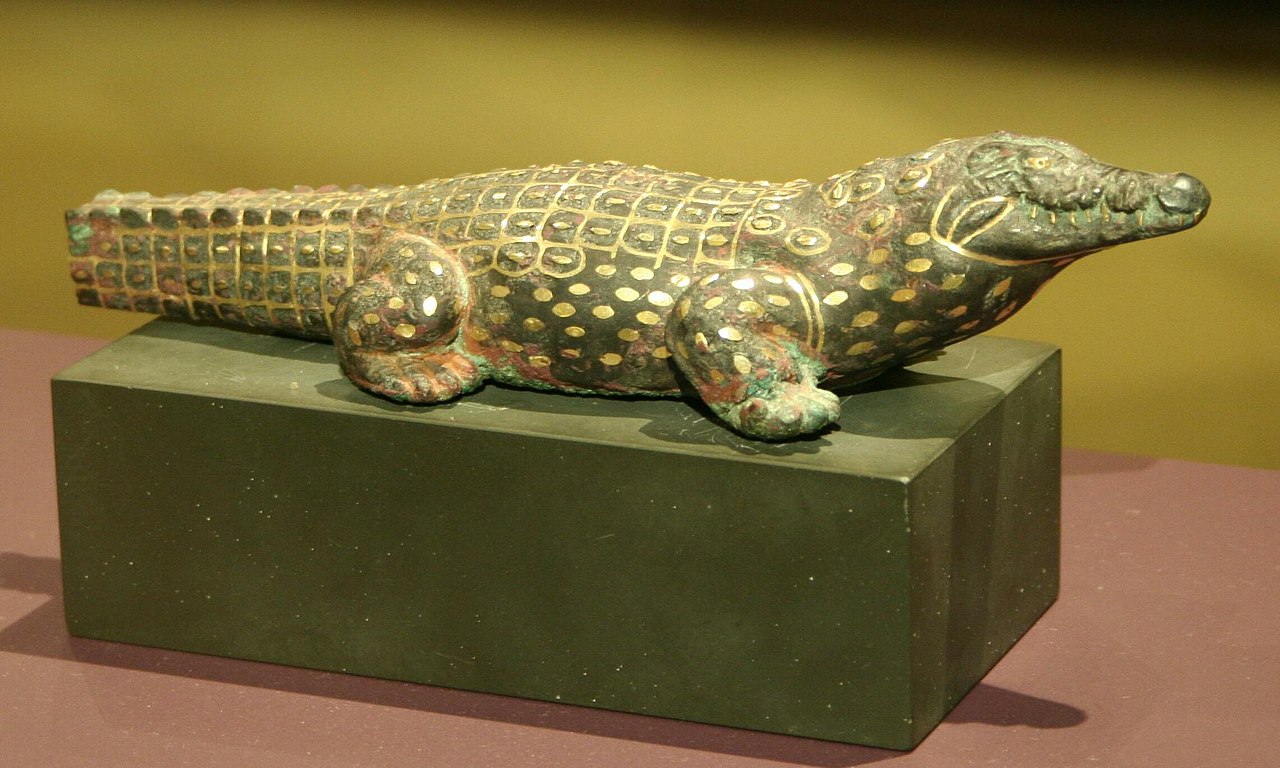
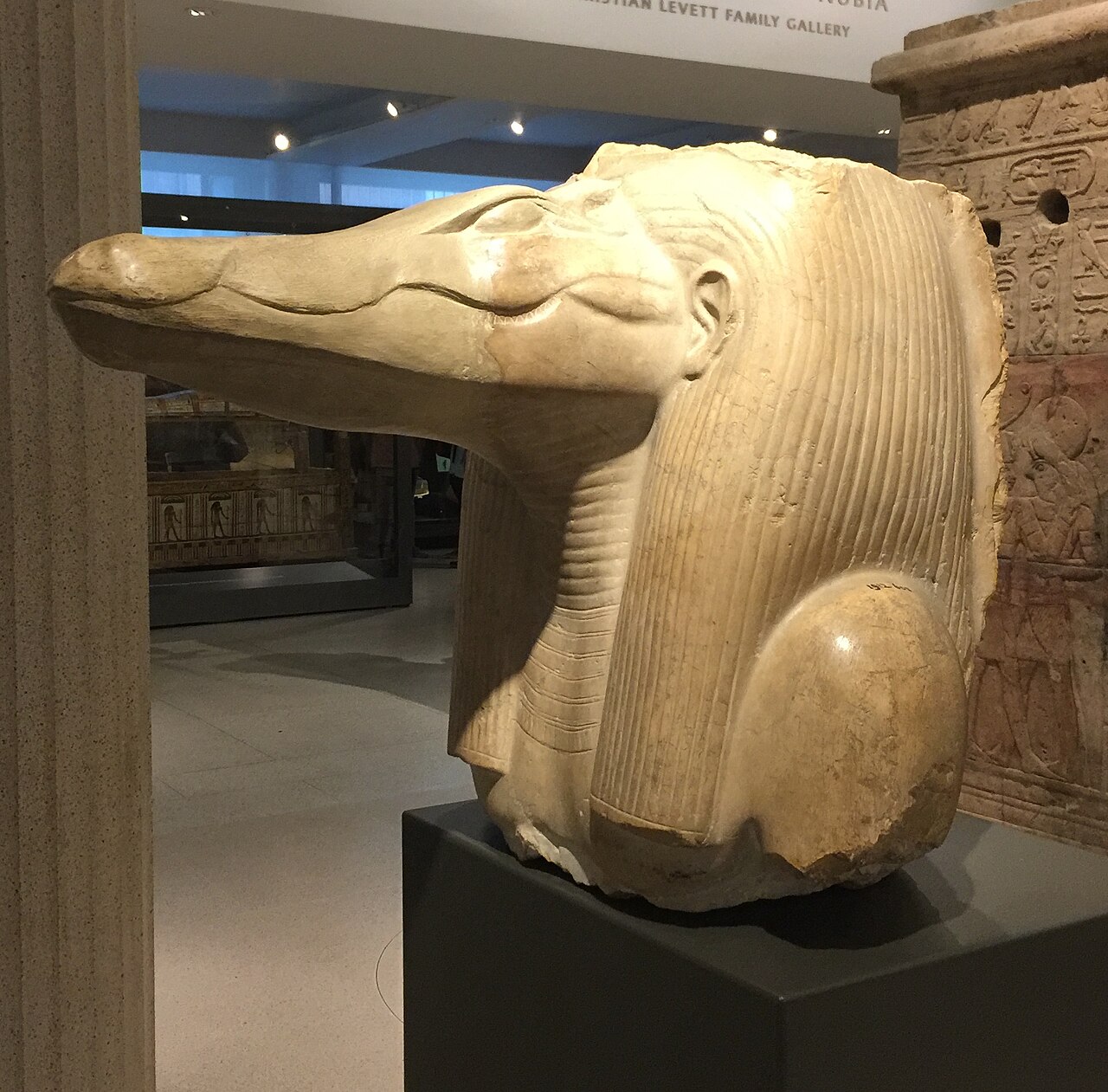
In art and sculpture Sobek is most commonly depicted with a human body and the head of a crocodile; sometimes the deity appears as a full crocodile or as a man with a short, squared beard and a solar disk. The crocodile head — often shown with powerful jaws and a scaly hide — signified strength, ferocity, and the natural power of the Nile ecosystem. Crocodile-related imagery emphasized protection, royal might, and the capacity to repel enemies.
History and cult centers
Sobek's worship stretches back to the early dynastic periods and remained active through the Ptolemaic and Roman eras. Important cult centers included Shedet (known to the Greeks as Crocodilopolis) in the Faiyum and the temple at Kom Ombo, where he was worshipped alongside other deities. Over time Sobek was syncretized with solar gods (for example as Sobek-Ra) and associated with pharaonic authority.
Worship, rites, and practices
Temples dedicated to Sobek often maintained pools where live crocodiles were kept and cared for. Devotees offered food, amulets, and votive objects; crocodiles were sometimes mummified and interred as sacred animals. Festivals celebrated his protective role and ties to the annual Nile inundation, which Egyptians linked to fertility and abundance.
Roles and notable facts
- Dual nature: feared predator and guardian deity.
- Linked to fertility, military strength, and royal legitimacy.
- Archaeological finds include mummified crocodiles and temple remains at Kom Ombo and the Faiyum region.
Sobek remains a distinctive example of how ancient Egyptians deified powerful elements of their environment, turning a real animal into a complex religious symbol that expressed both practical concerns about danger and broader ideas about life, kingship, and cosmic order.
Related articles
Author
AlegsaOnline.com Sobek: Ancient Egyptian Crocodile God Leandro Alegsa
URL: https://en.alegsaonline.com/art/91395