
Smile (Charlie Chaplin song)
Instrumental theme composed by Charlie Chaplin for Modern Times and later given lyrics as “Smile” (1954). Overview of composition, lyrical adaptation, major recordings and cultural legacy.
Overview
"Smile" began life as an instrumental theme written by Charlie Chaplin for his 1936 film Modern Times. The tune functions in the film as a recurring emotional motif and was originally presented without words. Decades later the melody was fitted with lyrics and became a popular standard, recorded by many vocalists and used widely in film, television, and public performance.
Image gallery
2 Images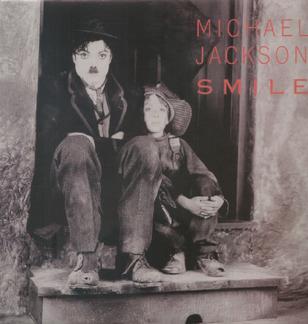

Composition and original use
Chaplin, credited here as the piece's composer, created a short, plaintive melody that underscored scenes of resilience and quiet optimism in Modern Times. Although composed for cinema, the music stands on its own: it was written as an instrumental passage and performed in a minor mode that contributes to its bittersweet quality. The theme is associated with Chaplin's screen persona—mixing melancholy with hope—and was used throughout the film’s soundtrack to reinforce emotional beats. Chaplin himself is acknowledged as the composer of the music in many accounts of the score; see references to Charlie Chaplin and his musical work for further context.
Lyrics and publication
In 1954 lyricists John Turner and Geoffrey Parsons adapted Chaplin's instrumental into a song now known as "Smile." The added text draws directly on themes from the film: to smile through pain and to keep faith in better days. The words turn the melody’s subtle sorrow into an explicit message of encouragement and optimism. The original instrumental character—sometimes described as being written in D minor—remains evident beneath the added vocal line. Although the tune had no lyrics at first, the later pairing with words created the durable popular song familiar today.
Notable recordings and performers
One of the earliest and most influential vocal recordings was made by Nat King Cole, whose warm delivery helped establish the song in popular music. Since then, many artists across genres have recorded the piece, each emphasizing its wistful lyric and gentle melody. Performers who have offered notable interpretations include Jimmy Durante, whose idiosyncratic voice brought a different character to the song, and Michael Jackson, who recorded a version during sessions that later appeared on retrospective releases. Television and live appearances by artists such as Judy Garland also contributed to the song’s visibility.
Cultural presence and later uses
Because of its cinematic origin and universal sentiment, "Smile" appears frequently in film trailers, television programs, and advertising when creators want a nostalgic or tender mood. One high-profile modern use of a recorded version was its inclusion in promotional material for recent films, where the song's mixture of melancholy and reassurance underscores complex characters and themes. The lyric’s exhortation to smile in the face of hardship has made the song a go-to choice in moments intended to evoke bittersweet emotion.
Characteristics and legacy
Musically, "Smile" juxtaposes a melody that hints at sorrow with hopeful words. This contrast gives the song emotional depth and flexibility: it can be rendered as comforting, haunting, or consoling depending on tempo and arrangement. The piece highlights Chaplin’s lesser-known role as a composer and illustrates how film music can find a separate life as popular song. For further exploration of recordings, arrangements, and historical notes see additional references and annotated discographies represented in online archives and music literature on the song.
- Composer and origin: music composed by Chaplin for Modern Times
- Original presentation: theme used in the film
- First vocal adaptation: lyrics by Turner and Parsons in 1954 — encouraging the listener to smile and remain optimistic
- Selected artists associated with the song: Nat King Cole, Jimmy Durante, Michael Jackson
Readers seeking sheet music, authoritative session details, or specific recording dates can consult specialized music databases and archives, as well as published collections of Chaplin’s film scores and postwar popular song anthologies about the instrumental roots. Additional notes on performances and cultural references are available through archival materials and liner notes compiled by music historians who document the song's key and arrangements.
Related articles
Author
AlegsaOnline.com Smile (Charlie Chaplin song) Leandro Alegsa
URL: https://en.alegsaonline.com/art/91217
Sources
- ednapurviance.org : "Smile"