
Snare drum
A cylindrical percussion instrument with wires (snares) beneath the bottom head that produce a sharp, crisp sound used in military, orchestral, marching and popular music.
Overview
The snare drum, also known as the side drum, is a central percussion instrument recognized for its bright, cutting sound and precise attack. Its distinctive "snap" or "crack" is produced by a set of wires or cords stretched against the bottom (resonant) head; these are commonly called snares. Because of its clear articulation, the snare is widely used for marching cadence, orchestral punctuation, and the backbeat in contemporary drum set playing.
Image gallery
6 Images



Construction and components
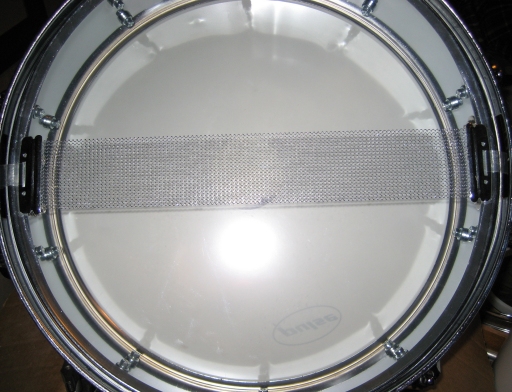
A typical snare drum comprises a cylindrical shell, two drumheads (the batter or top head and the resonant or bottom head), hoops, tension rods and a snare strainer or "throw-off" mechanism. Shells are made from wood, metal or composite materials and come in various depths and diameters; each choice affects volume, projection and tonal character. Snares themselves may be metal wire, braided cable, synthetic cord or gut. The throw-off allows the player to engage or disengage the snares quickly.
- Shell: influences resonance and tonal color
- Heads: batter (played) and resonant (contacts snares)
- Snares: wires or cords that rattle against the resonant head
- Strainer/throw-off: mechanism to tension or release snares
Sounds and playing techniques
Beyond standard strokes, players use techniques such as rimshots, cross-stick (side-stick), rolls, and buzz strokes to produce varied timbres. Rudiments — standardized sticking and accent patterns like rolls, paradiddles and flams — form the technical foundation for snare drumming in both educational and military traditions. The snare can produce tight, controlled buzzes or loud, cutting accents depending on tuning and snares' tension.
- Rimshot: striking rim and head for a loud accent
- Buzz/press roll: sustained, buzzing texture from snares
- Cross-stick: muted, woody click for softer accompaniment
History and development
The snare drum developed from early frame drums and military signaling drums. Over centuries, the addition and refinement of metal snares and adjustable mechanisms enhanced its responsiveness and portability. It became integral to military and marching bands, later finding roles in orchestras and popular music ensembles. Variants such as the piccolo snare and field drum evolved to meet different volume, pitch and tonal needs.
Uses and contexts
Snare drums serve multiple roles: in marching and military units for cadence and commands, in concert bands and orchestras for rhythmic color, and in the drum set as the primary source of backbeat and rhythmic punctuation. In studio and live popular-music settings the snare is often miked and processed to fit a song's sonic character; its placement in a mix typically defines the listener's sense of groove. For an overview of the drum set and its relationship to the snare, see related resources.
Notable distinctions
Design choices yield different voices: marching snares tend to be deeper and louder, concert snares prioritize sensitivity and dynamic range, and piccolo snares give a very tight, high-pitched crack. Some traditional instruments use additional or sympathetic snares beneath the top head to brighten or thicken the sound. Tuning, head selection and snare tension remain key factors that performers adjust to suit style and repertoire.
Related articles
Author
AlegsaOnline.com Snare drum Leandro Alegsa
URL: https://en.alegsaonline.com/art/91304
Sources
- books.google.com : preview