
Slalom skiing
Slalom skiing is the alpine discipline emphasizing quick, short-radius turns around closely spaced gates. It tests agility, timing and rhythm in timed runs, typically combined from two courses.
Overview
Slalom skiing is one of the core disciplines within competitive alpine skiing. It is distinguished by a course made up of many closely spaced gates that force skiers into rapid, short-radius turns. Races are timed to hundredths of a second and usually consist of two runs on different courses; the combined time determines the winner. Slalom emphasizes agility, quick reflexes and precise edge control more than the high speeds found in other alpine events. For context, see Alpine skiing.
Image gallery
6 Images



Course, gates and equipment
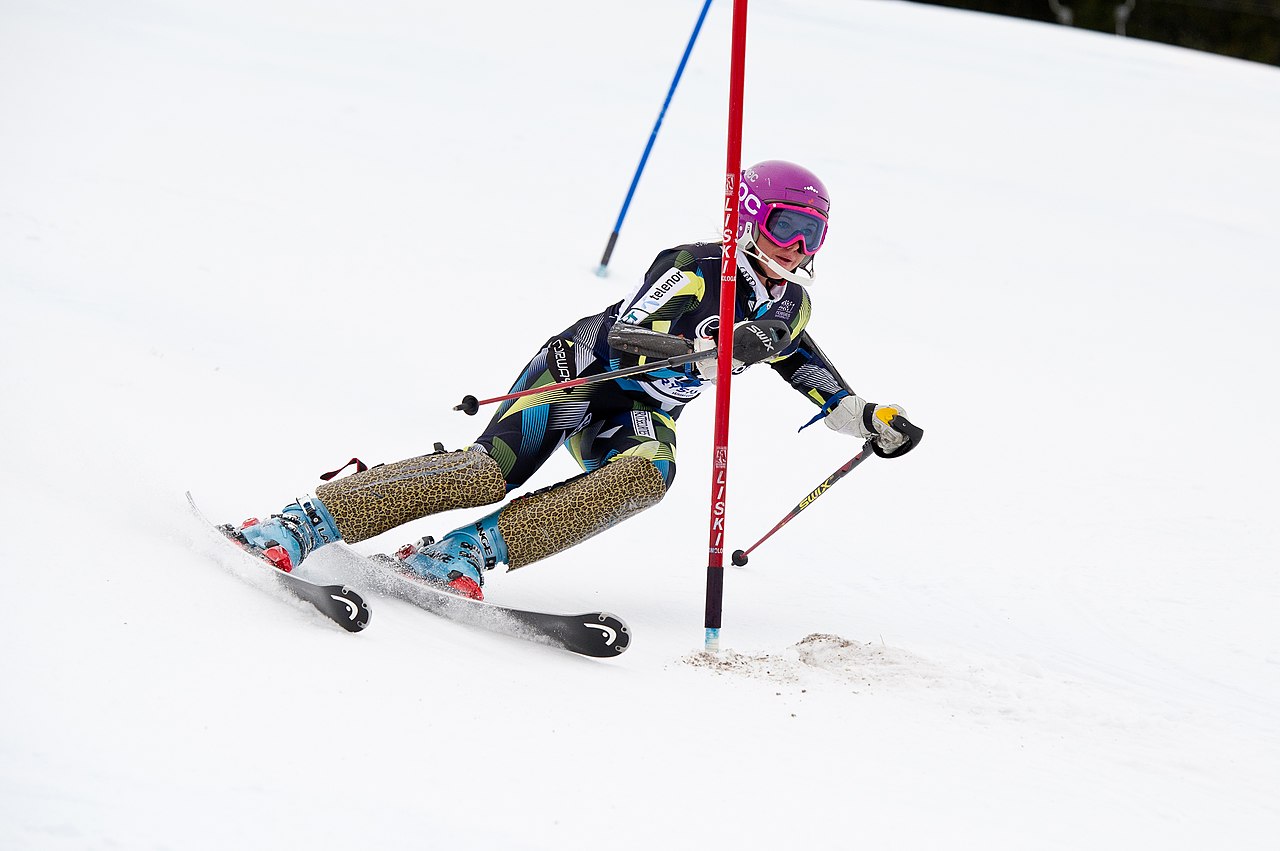
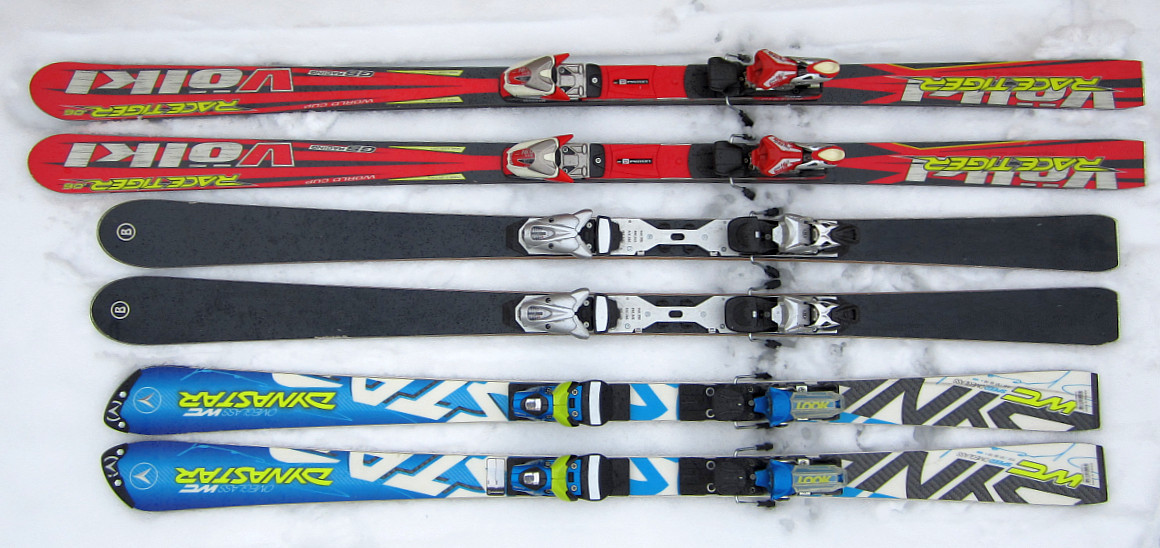
A slalom course uses alternating pairs of poles called gates. The spacing is tight, requiring frequent directional changes and rhythmic turn sequences. Modern courses may include technical elements such as offset gates and combinations that test adaptability. Because of the demands of rapid turning, competitors use shorter, more maneuverable skis and stiff boots to transfer forces efficiently.
- Gates: closely spaced, requiring quick pivots and line changes.
- Skis and boots: shorter skis and rigid boots for quick response.
- Protective gear: shin guards, face masks and pole guards are common because racers often strike gates.
Technique and competition format
Successful slalom technique blends rapid edge changes, balanced stance and precise timing. Racers employ tight carving turns, quick cross-blocks (using the arms to deflect gates) and maintaining momentum through transitions. Official races usually include two runs on differently set courses; start order for the second run is commonly the reverse of the first-run finish among top finishers, which adds strategic importance to each run.
History and development
Slalom evolved from early ski competitions in Scandinavia and Central Europe where skiers navigated natural terrain and obstacles. As alpine racing organized in the 20th century, slalom became a codified event with standardized gate patterns and equipment changes responding to safety and performance advances. Innovations in ski shape, gate construction and protective gear have steadily influenced how athletes approach the discipline.
Variants, importance and notable facts
Variants include parallel slalom, where two skiers race head-to-head on adjacent courses, and team events that use short slalom-style runs in knockout formats. Slalom remains important in skiing because it showcases technical skill and often produces tight, unpredictable results. Because gates are frequently struck, the event combines technical finesse with a degree of physical contact and requires specialized training and protective equipment.
Related articles
Author
AlegsaOnline.com Slalom skiing Leandro Alegsa
URL: https://en.alegsaonline.com/art/91027
Sources
- books.google.com : "The Strange Story of Slalom Skiing,"
- books.google.com : p. 37
- fisalpine.com : International Ski Federation