
Skate punk: music, culture, and history
Skate punk is a fast, melodic branch of punk rock tied to skateboarding culture. Originating on the U.S. West Coast, it blends hardcore energy with catchy melodies and became synonymous with skate videos and youth subculture.
Skate punk is a subgenre of punk rock closely associated with skateboarding culture. It typically combines the speed and aggression of hardcore punk with tuneful guitar lines and accessible vocal hooks. While its sonic palette varies, skate punk is most commonly identified by brisk tempos, tight song structures, and lyrics that reflect youth experiences, skateboarding, social critique, and occasionally humour.
Image gallery
5 Images


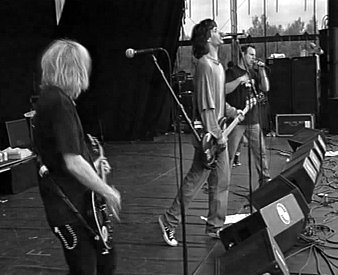
Musical characteristics
Sonically, skate punk sits between melodic hardcore and pop punk. Common features include:
- Fast, driving drum patterns and energetic tempos.
- Razor-sharp, palm-muted rhythm guitar and melodic lead parts.
- Vocals that may alternate between shouted lines and sing-along choruses.
- Short, focused songs that emphasise momentum and immediacy.
Production can range from raw and lo-fi to polished recordings aimed at radio play. Because the style borrows from adjacent scenes, many skate punk bands also appear under labels such as pop punk, melodic hardcore, surf-influenced punk, or crossover thrash depending on their emphasis.
Origins and development
The term and the sound grew from West Coast punk scenes in the late 1970s and 1980s and consolidated through the 1990s when melodic hardcore bands shaped a recognizable template. Skateboarding culture and punk music overlapped naturally: both prized independence, risk-taking and DIY ethics. Skate videos and underground tapes helped spread the music by pairing high-energy tracks with skate footage, making certain songs synonymous with tricks, spots and specific eras of skating.
Culture, distribution, and influence
Skate punk has a close, reciprocal relationship with skateboarding. Skate shops, zines, independent labels and video producers fostered exposure more than mainstream radio initially did. As skate videos reached wider audiences, the music traveled internationally and informed local scenes in Europe, Latin America, Japan and elsewhere. Regional hubs—most notably communities in Southern California—produced distinct local sounds and networks of bands, labels and promoters.
Uses and notable distinctions
Beyond skate videos, skate punk songs appear in film soundtracks, video games and commercial media that want to evoke youthful energy. Distinguishing skate punk from related styles is a matter of emphasis: where pop punk leans more toward melody and mainstream hooks, skate punk keeps a harder edge and often faster tempo; compared with hardcore punk, skate punk usually integrates more tuneful guitar work and choruses intended for audience participation.
Further reading and context
To explore related topics and historical background, consult resources on general punk rock, regional music histories such as the West Coast scene, and the relationship between board culture and music in skateboarding media and subcultural studies. For genre overlaps, see entries on melodic hardcore, pop punk, and heavier hybrids like metalcore and crossover thrash. Local scenes such as the punk community in Oxnard, California are examples of how skate punk can concentrate in particular towns or regions.
Notable facts: Skate punk is less a rigid musical category than a cluster of styles linked by tempo, attitude and cultural context. Its longevity is tied to skateboarding’s continued popularity and to the genre’s ability to absorb influences while remaining recognizably direct and energetic.
Related articles
Author
AlegsaOnline.com Skate punk: music, culture, and history Leandro Alegsa
URL: https://en.alegsaonline.com/art/90880
Sources
- allmusic.com : "Pop/Rock » Alternative/Indie Rock » Skatepunk" · web.archive.org