
Skateboard: Design, History, Styles, and Cultural Impact
A skateboard is a small, wheeled platform used for transportation and sport. This article explains its parts, history, major styles, cultural role, competitions, and safety considerations.
Overview
A skateboard is a small board called a deck mounted on two metal axles (trucks) with four wheels attached. Riders use it for travel, performing tricks, downhill speed, or simply as a cultural practice. Skateboarding combines physical skill, creativity and local infrastructure; it can take place on streets, in skateparks, on ramps, or on long, smooth roads used for cruising or racing. For general information on the activity, see skateboarding.
Image gallery
6 Images



Construction and main parts
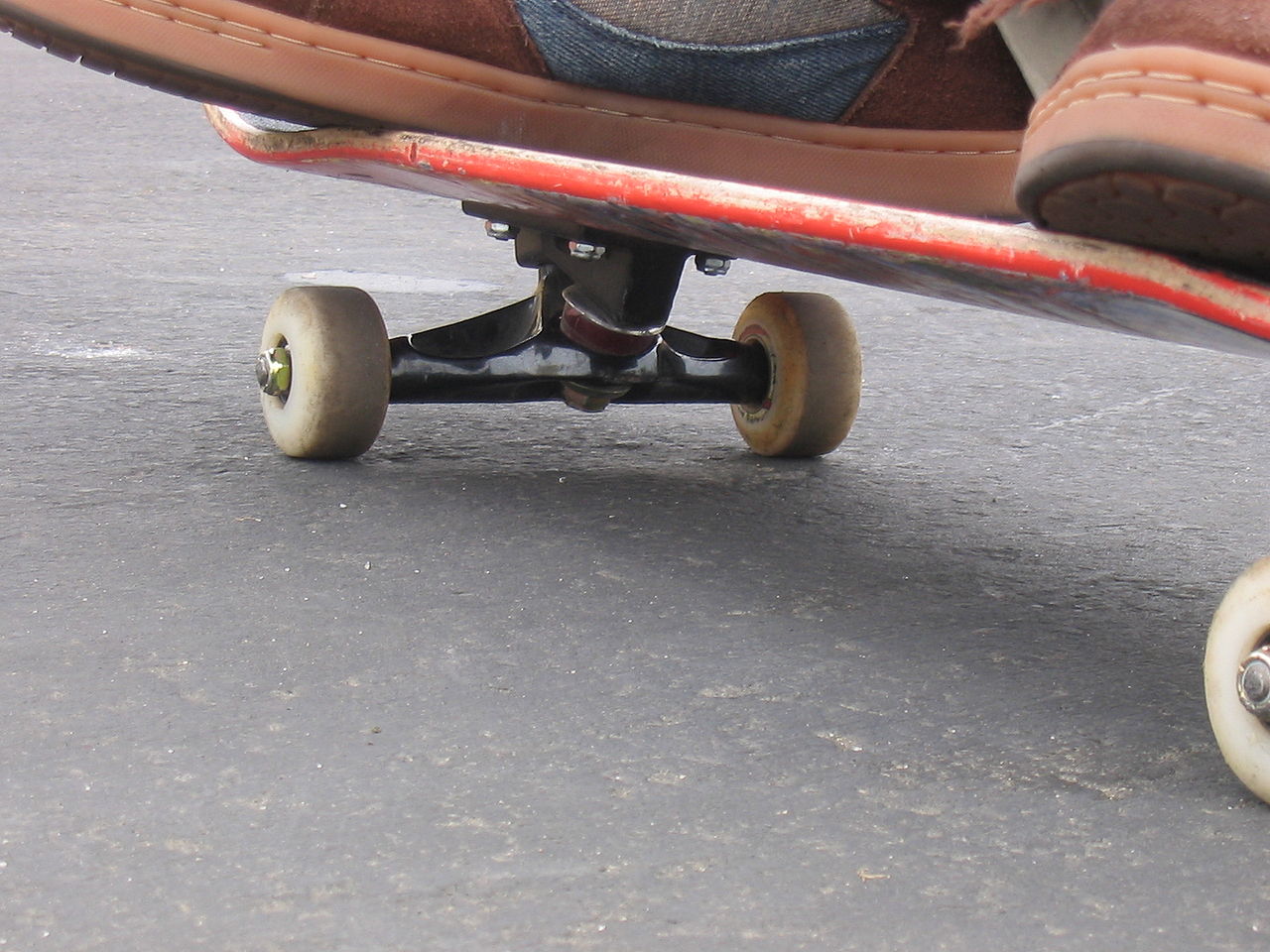
Although models vary by use, most skateboards share a common set of components. Modern decks are typically made from layered wood (often maple), but composites and plastics are used for some cruisers and specialty boards. Key parts include:
- Deck — the flat platform ridden or stood upon, available in many widths and lengths.
- Trucks — metal T-shaped axles that clamp to the deck and allow turning.
- Wheels — made of polyurethane; hardness and diameter affect grip and speed.
- Bearings — small precision bearings inside each wheel that allow it to spin.
- Grip tape — a coarse sandpaper-like sheet applied to the deck surface for traction.
History and development
Skateboarding emerged in the mid-20th century when surfers and roller-skaters adapted small boards with wheels to emulate surfing on land. Early homemade boards evolved into commercially produced skateboards during the 1960s. Technological advances — notably the introduction of urethane wheels and improved truck designs — in later decades made boards more durable and controllable. Street styles, vertical ramp skating, and freestyle each developed their own equipment preferences and techniques. For a concise outline of its development, see history and development.
Styles, disciplines, and typical uses
Skateboarding divides into several broad styles, each favoring different shapes and setups:
- Street skating — focuses on tricks using curbs, ledges, stairs and rails; typically uses shorter decks with pop-friendly shapes.
- Vert and transition — performed on ramps and bowls; riders prefer wider decks and larger wheels for stability.
- Longboarding — larger boards for cruising, carving and downhill racing; often uses softer wheels for grip.
- Cruisers and penny boards — compact, portable boards for short-distance travel and casual riding.
- Freestyle — emphasizes flat-ground technical tricks and choreography.
Cultural and sporting significance
Skateboarding has grown beyond a leisure activity into a global subculture with distinctive music, fashion, and visual art. It is represented in competitive events such as the X Games and was added to the Olympic program in Tokyo 2020, highlighting its recognition as an organized sport. Skateparks and community initiatives play an important role in providing legal, safer spaces for practice and in nurturing new riders.
Safety, etiquette, and notable distinctions
Skateboarding carries a risk of falls and collisions; helmets, pads and appropriate footwear reduce injury. Etiquette at skateparks—such as waiting turns, respecting lines, and avoiding collisions—helps keep communities safe. Distinctions between board types (shortboard vs. longboard, street vs. cruiser) influence how a board performs and which environments are suitable. As both a sport and a form of self-expression, skateboarding continues to evolve with changes in materials, competition formats, and urban design that accommodate or restrict riding.
Questions and answers
Q: What is a skateboard?
A: A skateboard is a board (called a "deck") with four wheels attached to it. It is used for the sport of skateboarding.
Q: When did skateboards first become popular?
A: Skateboards first became popular in the 1960s when they were made in production.
Q: Why did some skate parks close down?
A: Some skate parks closed down because people started to fall off their boards and it was considered dangerous.
Q: How did the sport of skateboarding survive?
A: A small group of dedicated skaters continued to practice the sport in the streets and around cities, which kept it alive until it began to grow into what we know now after about 20 years.
Q: Who usually practices this sport?
A: Skateboarding is usually practiced by younger riders, although anyone can do it.
Q: Are there different types of skateboards?
A: Yes, there are many different types of skateboards such as stunt boards, penny boards, longboards, short boards and more.
Q: Where do people usually go to practice this sport?
A: People usually go to public parks or streets to practice this sport.
Related articles
Author
AlegsaOnline.com Skateboard: Design, History, Styles, and Cultural Impact Leandro Alegsa
URL: https://en.alegsaonline.com/art/90882