
Simferopol, principal city of Crimea
Simferopol is the main urban center of the Crimean peninsula: an administrative, cultural and transport hub with a long multiethnic history and a contested political status since 2014.
Overview
Сімферополь (Simferopol) lies near the geographic center of the Crimean peninsula and functions as the region's largest city and main administrative hub. It sits on the inland plain between the Crimean Mountains and the central steppe. The city serves as a focal point for government services, education and regional transport.

Image gallery
10 Images




Historical background
The site has long been inhabited by Crimean Tatars and other peoples. Before Russian imperial consolidation in the late 18th century a Tatar settlement known as Aqmescit occupied the area. After Crimea was incorporated into the Russian Empire the modern town of Simferopol was organized as an administrative center. During the 20th century it developed under Soviet rule and became the capital of the Crimean Autonomous region. In 1944 the Crimean Tatar population suffered mass deportation; descendants later returned and today form an important part of the city's cultural fabric.
Geography, climate and landmarks
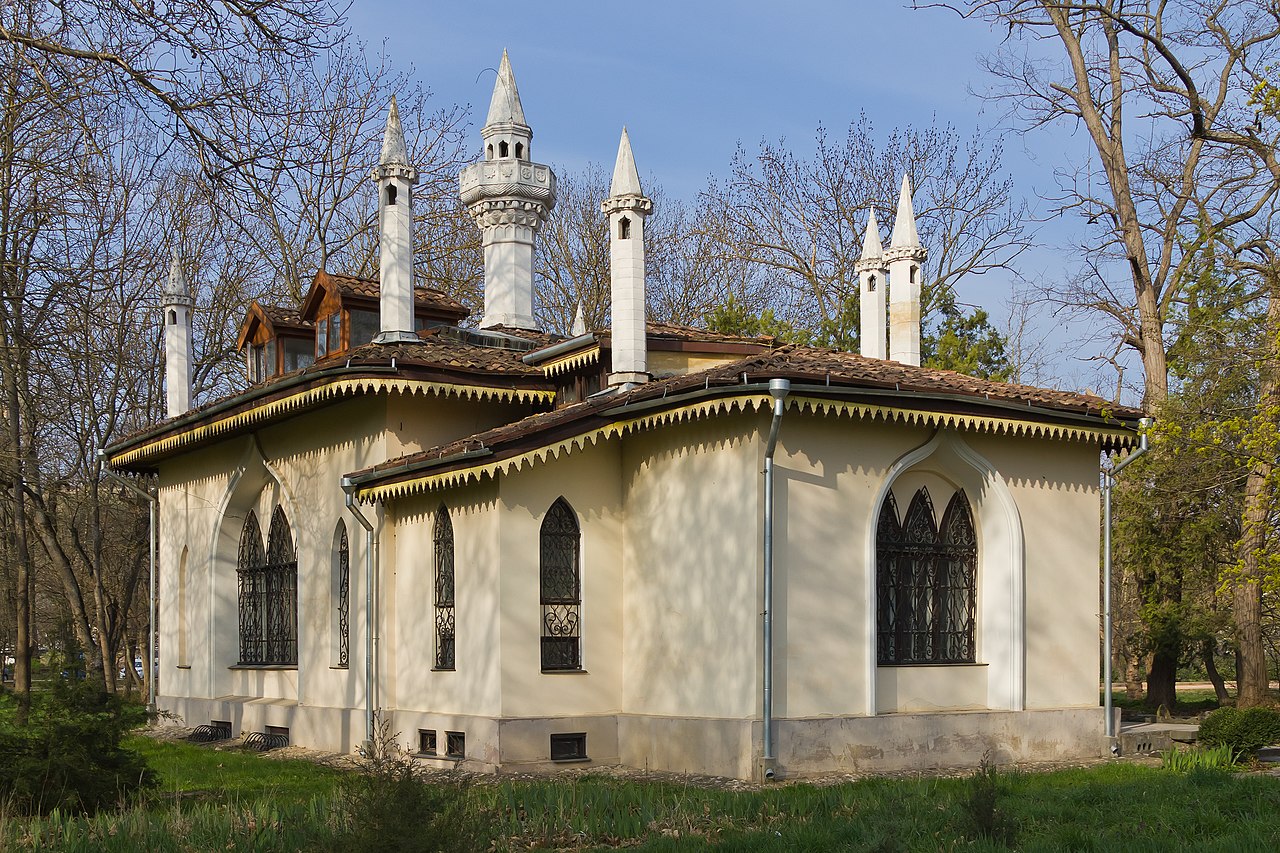
Simferopol is located on relatively flat terrain with a temperate continental climate moderated by proximity to the Black Sea. Notable urban features include large public parks and a well-known dendrarium (botanical garden). Landmarks commonly cited by visitors and residents include:
- historic mosques and Orthodox churches
- regional museums and university buildings
- central squares and 19th-century administrative architecture

Culture, institutions and population
The city is a regional cultural center with museums, theatres and higher education institutions. It hosts universities and technical colleges that attract students from across Crimea. The population is multiethnic; Russian, Ukrainian and Crimean Tatar communities contribute to the city's language, cuisine and traditions.
Economy and transport
Simferopol functions as a transport hub: it has an international airport, a major railway junction and road links that connect the peninsula's coastal resorts with inland agricultural areas. The local economy combines public administration, retail, services, education and light industry related to food processing and construction materials.
Political status and notable facts
For most of the 20th century Simferopol was the administrative center of the Autonomous Republic of Crimea within Ukraine. In 2014 authorities established the Republic of Crimea and designated Simferopol as its capital; this change followed a disputed referendum and is not accepted by many countries and international organizations. The city remains central to the peninsula's governance, transport networks and cultural life. For further regional context see Crimea.
Related articles
Author
AlegsaOnline.com Simferopol, principal city of Crimea Leandro Alegsa
URL: https://en.alegsaonline.com/art/90510