
Shimla (Simla): Hill Station and Capital of Himachal Pradesh
Shimla is a mountain city in northern India, capital of Himachal Pradesh. Renowned as a colonial-era hill station, it features mountain views, the Mall and Ridge, historic architecture and the Kalka–Shimla Railway.
Overview
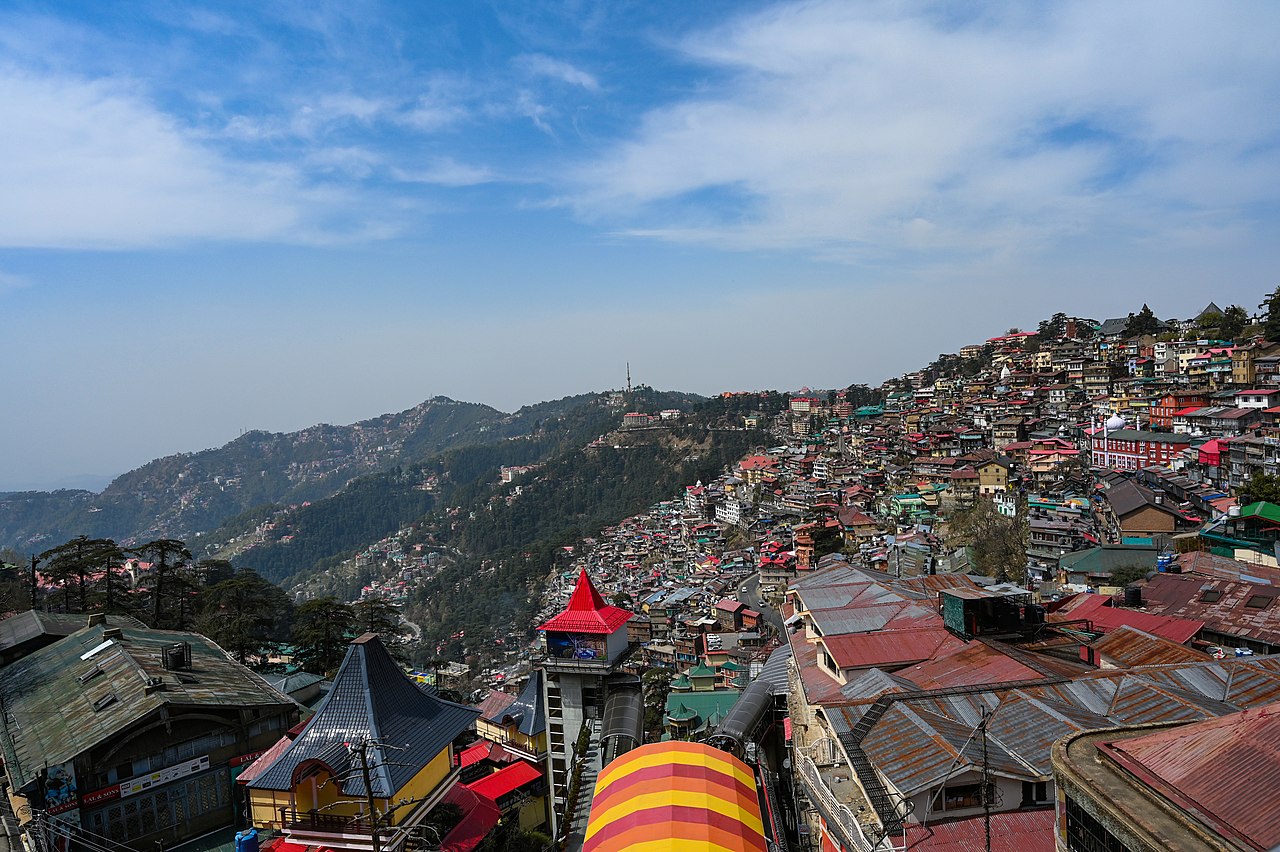
Shimla, sometimes spelled Simla, is a city in the northern Indian state of Himachal Pradesh. Perched at roughly 2,200 metres above sea level, it functions as the administrative capital of the state and as a regional center for commerce, education and culture. Shimla is widely known as a classic South Asian hill station: a mountain retreat with cooler summers, periodic winter snowfall and a long history as a tourist destination.
Image gallery
10 Images



Geography and climate
The city occupies a series of ridges and steep slopes within the lower ranges of the Himalaya, offering panoramic views of surrounding valleys and forests. Its elevation moderates summer temperatures and brings cold winters; snowfall is common on higher ridges and occasionally in central areas. The natural setting includes deodar and pine woodlands, and many neighborhoods follow winding mountain roads and stairways rather than a regular grid.
History and development
Shimla rose to prominence in the 19th century as British colonial administrators and visitors developed it as a summer retreat. In 1864 the town was designated the summer capital of British India, and a number of government offices, churches and residences from that era remain prominent features of the streetscape. After independence, Shimla played a role in regional administration and for a period served as the capital of Punjab before becoming the capital of the present-day state. Its colonial-era civic buildings and leafy promenades continue to shape the city's character.
Culture, landmarks and tourism
Tourism is a principal activity in Shimla. The central Mall Road and the adjacent Ridge are focal points for visitors: promenades lined with shops, cafes and public buildings, where cultural events and festivals are often staged. Notable landmarks include churches and colonial government buildings, temples on nearby heights, and heritage hotels occupying former residences. The city also hosts regional institutions of higher education and cultural centers that attract students and researchers.
Main attractions and practical information
- The Mall Road and the Ridge: pedestrian promenades offering shops, restaurants and views.
- Colonial architecture: official buildings, churches and old houses from the 19th century.
- Religious sites and local markets: temples, small bazaars and craft stalls.
- Kalka–Shimla Railway: a narrow-gauge mountain railway that is an important historical and scenic link.
Transport and notable facts
Shimla is connected to the plains by steep, scenic roads and by the historic Kalka–Shimla narrow-gauge railway. A small regional airport serves limited flights, while road and rail links bring tourists and government officials from neighboring regions. The city's blend of Himalayan scenery, colonial heritage and ongoing administrative role makes it a distinctive urban center in the Indian mountains. For broader regional context, see resources on the state's geography and administration, including the role of the city within the wider eastern Himalayan landscape.
Shimla remains an important example of a hill station that transitioned into a modern administrative capital while retaining many features of its historic identity, continuing to attract visitors for its climate, history and mountain vistas.
Related articles
Author
AlegsaOnline.com Shimla (Simla): Hill Station and Capital of Himachal Pradesh Leandro Alegsa
URL: https://en.alegsaonline.com/art/90519