
Survival horror: genre overview, design, history, and examples
An overview of the survival horror video game genre: defining features, gameplay design, origins and evolution, cultural influences, notable examples and how it differs from other horror games.
Overview
Survival horror is a video game genre that emphasizes vulnerability, atmosphere, and resource scarcity to create sustained fear and tension. Rather than focusing on overpowering enemies, these games place ordinary characters in dangerous, often claustrophobic situations where the player must manage limited tools, solve puzzles, and evade threats to survive. The genre draws inspiration from cinematic horror traditions and storytelling techniques that prioritize suspense over spectacle. For background on those cinematic roots see horror cinema.
Image gallery
4 Images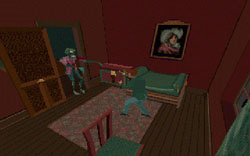
Core characteristics
While individual titles vary, survival horror commonly includes:
- Limited resources: scarce health items, few weapons, and tight inventories that force difficult choices—see examples of constrained ammunition and supplies.
- Emphasis on atmosphere: sound design, lighting and level layout create unease rather than relying solely on combat.
- Puzzles and exploration: unlocking new areas, backtracking and environmental puzzles are frequent gameplay elements.
- Human-scale protagonists: playable characters are often ordinary people rather than superpowered heroes, heightening the sense of danger.
- Vulnerability and evasion: avoiding or fleeing threats can be as important as confronting them.
Gameplay mechanics and design goals
Designers of survival horror balance tension, reward and player agency. Mechanics that contribute to fear include scarce save points, restricted camera perspectives, or limited field of view. Enemy encounters are often memorable because they are rare, scripted or unpredictable; environmental storytelling fills in narrative gaps and sustains dread between confrontations. Some games introduce procedural or adaptive elements, but classic examples favor carefully authored scenarios that control pacing.
History and evolution
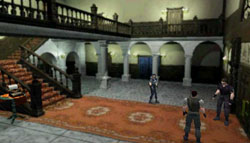
The genre emerged from an intersection of early adventure games, action titles and horror fiction. Early influences include narrative-driven titles that used 3D environments and cinematic framing. Many scholars and journalists trace the modern label to commercial successes that popularized the approach—for instance Resident Evil—while acknowledging prior works such as Alone in the Dark. Over time the genre branched: some games leaned into combat and action, others refined slow-burn psychological horror or survival simulation elements. Titles sometimes considered adjacent to survival horror, like Western-developed franchises and Japanese-style psychological horror, show how regional traditions influenced tone and mechanics.
Cultural influences and notable examples
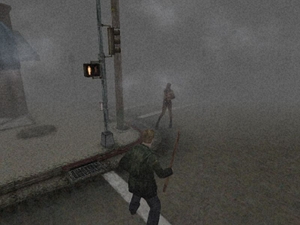
Common narrative sources include zombie fiction, haunted-house stories and noir-tinged psychological horror; zombie scenarios remain a prominent motif in the genre's popular imagination (zombies). Notable entries that helped define or expand the genre include classic survival-horror flagship games as well as later titles that mixed genres. Some games emphasize survival and inventory management, others foreground narrative and atmosphere. Examples cited in discussions of the genre include Resident Evil, Silent Hill, Alone in the Dark, and titles that incorporate survival-horror elements without strictly fitting the archetype.
Legacy and distinctions
Survival horror influenced both mainstream action-horror and independent games by showing how scarcity and design can evoke fear. It is distinct from pure action horror by its consistent use of limited resources and vulnerability as core mechanics; it differs from psychological horror that relies almost exclusively on story or surrealism by maintaining explicit survival gameplay. The genre continues to evolve, with modern developers blending procedural systems, immersive sim elements, and narrative experimentation while preserving the central idea: survival is never guaranteed.
Related articles
Author
AlegsaOnline.com Survival horror: genre overview, design, history, and examples Leandro Alegsa
URL: https://en.alegsaonline.com/art/95220