
Sideshow (carnival attraction)
A sideshow is a secondary attraction on circus and carnival midways presenting curiosities, oddities, and spectacle acts; its history spans popular entertainment, ethical debate, regulation, and modern performance arts.
A sideshow is a secondary entertainment attraction traditionally found along the middles or edges of traveling circus and carnival midways. Designed to draw audiences with novelty, shock, humor or curiosity, sideshows historically combined living human performers, trained or unusual animals, preserved specimens, and stunt-based acts. They were marketed as an extension of the main spectacle and could be offered singly or in grouped programs such as the well known "ten-in-one" format, where a single admission allowed viewing of several attractions.
Image gallery
3 Images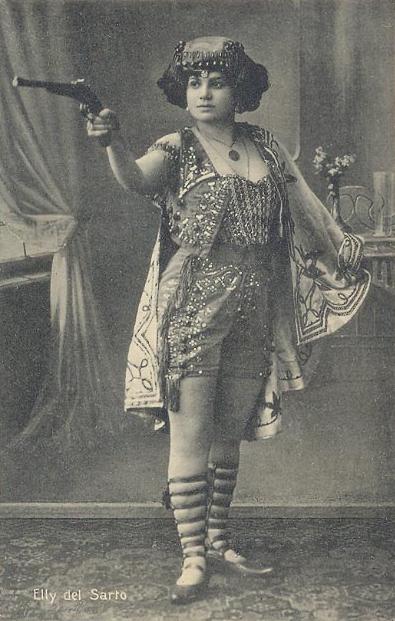


Characteristics and typical acts
Typical sideshow presentations blended showmanship and spectacle. Common examples included:
- Human curiosities and billed oddities—historically advertised with terms now considered derogatory—such as people with beards, people with dwarfism, very tall performers, and others whose bodies or appearances were framed as unusual.
- Skilled stunt and sideshow arts: fire-eating, sword-swallowing, contortion, the human blockhead, strongman demonstrations, glass walking and other displays that emphasized danger and physical skill.
- Novelty exhibits and preserved specimens, including unusually formed animals, medical curiosities shown in jars, or staged exhibits presented to suggest biological anomalies.
History and evolution
Sideshows grew in prominence with 19th- and early 20th-century itinerant entertainment. Promoters and showmen packaged curiosity acts alongside circuses, fairs and traveling exhibitions to create continuous earning opportunities between major performances. While some performers used sideshows as a platform for income and public recognition, others suffered from exploitation and discriminatory treatment. Media such as publicity posters, postcards and penny press accounts helped create a popular fascination with the unusual, while later cultural works—including films and novels—reflected and shaped public perceptions.
Ethics, law and decline of the classic "freak show"
Throughout the 20th century attitudes toward public displays of people with atypical bodies and preserved human remains shifted. Advocacy for disability rights, changing norms about dignity and consent, and legislation on animal welfare and public exhibition contributed to the decline of exploitative sideshow formats. The term "freak show" has become widely criticized; contemporary scholarship treats the subject with attention to the agency of performers, historical context, and the harms of sensational advertising.
Modern forms and revival
In recent decades elements of sideshow culture have been reclaimed by performers who emphasize technique, consent and artistry. Contemporary sideshow arts appear in circus schools, alternative performance venues and curated festivals where sword-swallowers, fire artists and strongmen present trained skills rather than demeaning exhibits. Museums and historians also preserve posters, oral histories and archival materials to document the industry’s commercial practices and social impact. For discussions of historical terminology and disability perspectives see disability history resources; for examples of specimen displays in museum contexts see specimen exhibit studies.
Cultural impact
Sideshows have left a complex legacy in popular culture, influencing literature, film, photography and visual design. They served as sites where questions about spectacle, otherness, entertainment and commerce intersected, and they continue to be studied as windows into social attitudes about difference, labor and popular leisure. Researchers examine promotional materials, performer biographies and legal records to better understand how these attractions operated within broader entertainment economies and how modern values have reshaped their presentation.
For historical context about traveling entertainment and midway culture, see resources on the broader circus and carnival traditions.
Related articles
Author
AlegsaOnline.com Sideshow (carnival attraction) Leandro Alegsa
URL: https://en.alegsaonline.com/art/90225
Sources
- csicop.org : Sideshow!