
Shiretoko National Park: remote peninsula, wildlife, and World Heritage in Hokkaidō
Shiretoko National Park protects the wild Shiretoko Peninsula in northeastern Hokkaidō, Japan. Known for dramatic coasts, rich marine life, drift ice, brown bears and Ainu cultural ties, it is a UNESCO natural World Heritage site.
Overview
Shiretoko National Park occupies the rugged Shiretoko Peninsula on the northeastern tip of Hokkaidō, facing the Sea of Okhotsk (link) in northern Japan. The name "Shiretoko" derives from the Ainu phrase sir etok, commonly translated as "end of the Earth," reflecting the area's remoteness and dramatic coastal scenery. The park is valued for the way terrestrial and marine ecosystems meet across steep mountains, forested slopes and productive offshore waters.
Image gallery
5 Images



Natural characteristics
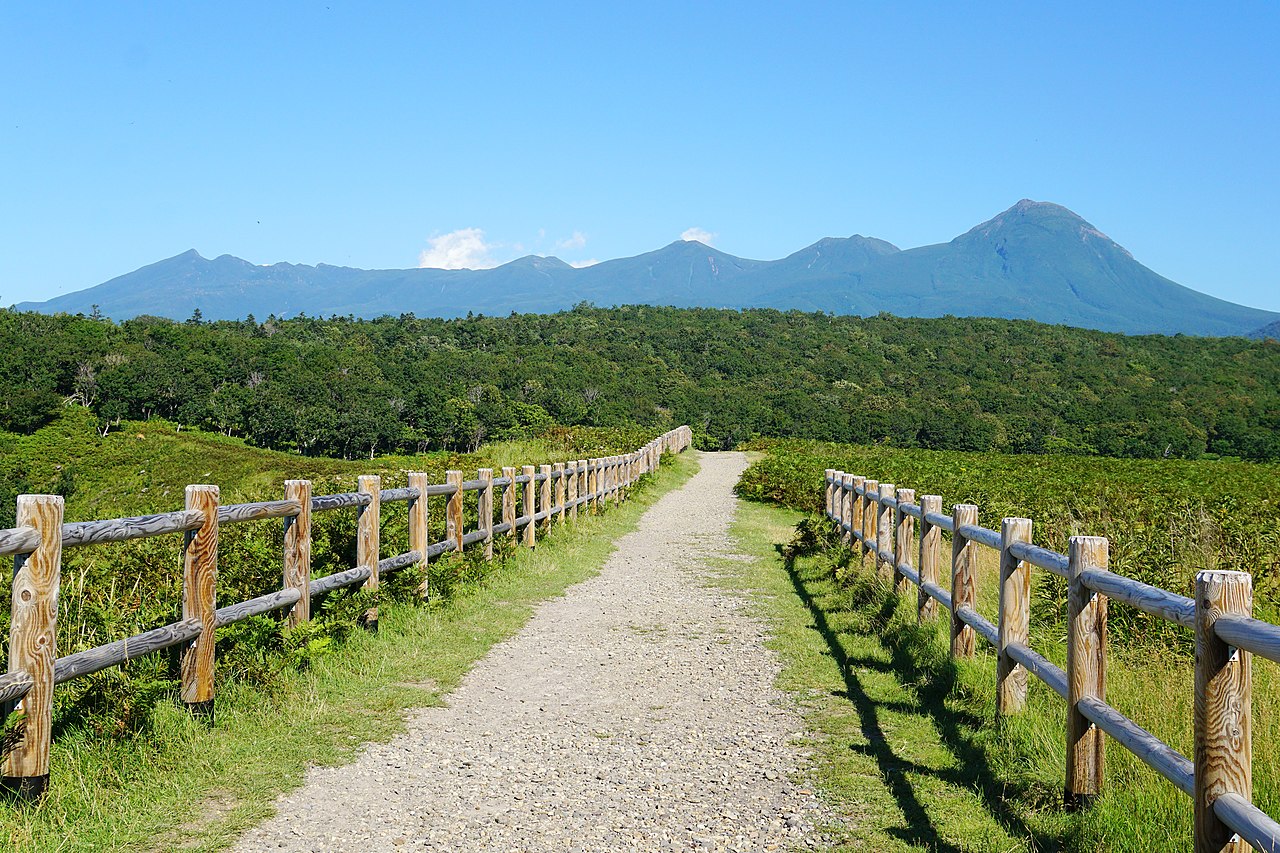
The peninsula combines a young volcanic mountain backbone with narrow coastal plains and complex shorelines. Forests of mixed conifer and broadleaf species give way to alpine vegetation at higher elevations. Offshore waters are rich in nutrients, supporting abundant fish, marine mammals and seabirds. Seasonal drift ice from the Okhotsk Sea influences coastal ecology each winter, bringing cold-water organisms and creating feeding opportunities for species such as seals and sea eagles.
Wildlife and ecological importance
Shiretoko supports a wide range of wildlife, including a resident population of brown bears that use coastal and riverine resources, migratory salmon runs that nourish terrestrial and marine predators, and significant seabird colonies. The interaction of land and sea habitats makes the area an important refuge for both widespread and locally adapted species, and for natural processes such as nutrient transfer between marine and forest ecosystems.
History, protection and World Heritage status
The area was set aside for conservation in the 20th century and later recognized internationally for its natural values. In 2005 Shiretoko was inscribed on the UNESCO World Heritage List as a natural site, reflecting its outstanding ecosystems and high biodiversity. Management emphasizes strict protection of core areas, regulated access for visitors, and scientific monitoring to conserve sensitive habitats and species.
Visiting and notable features
Access to parts of the park is intentionally limited to reduce disturbance. Visitors commonly explore by coastal boat cruises, guided walks to the Shiretoko Five Lakes and controlled trails that include boardwalks and viewing platforms. Notable features include steep sea cliffs, waterfalls, hot springs, and panoramic mountain ridgelines. Small settlements near the park provide gateways for seasonal tourism while balancing local livelihoods and conservation needs.
Significance and conservation challenges
Shiretoko is important for its intact ecological processes and as one of the best places in Japan where boreal, temperate and subarctic influences converge. Ongoing conservation challenges include managing human–wildlife interactions (particularly with bears), adapting to climate-related changes such as altered sea ice patterns, and maintaining connectivity between terrestrial and marine protected areas. The park remains a focus for scientific study, nature-based tourism and efforts to respect both natural values and Ainu cultural heritage.
Related articles
Author
AlegsaOnline.com Shiretoko National Park: remote peninsula, wildlife, and World Heritage in Hokkaidō Leandro Alegsa
URL: https://en.alegsaonline.com/art/89868
Sources
- whc.unesco.org : "Shiretoko"
- books.google.com : Encyclopedia of World Geography, p. 3076
- biodic.go.jp : Shiretoko National Park 38,633 ha.:(June 1, 1964)