
Ainu language: overview, history, dialects and contemporary revival
Ainu is an indigenous language isolate of northern Japan once spoken across Hokkaidō, Sakhalin and the Kurils. Now critically endangered, it survives through revitalization, study, and cultural use.
Overview
The Ainu language is the traditional language of the Ainu people. It is generally classified as a language isolate: it has no widely accepted close relatives and therefore occupies a distinct position in the world’s linguistic landscape. Historically Ainu was spoken in parts of northern Japan and adjacent islands; today fluent native speakers are very few and most use is limited to ceremonial, educational, and symbolic contexts.
Image gallery
4 Images


Linguistic characteristics
Ainu displays features typical of many northern and insular languages: a relatively simple syllable structure, a small vowel inventory, and a largely suffixing (agglutinative) morphology. Basic word order tends toward subject–object–verb (SOV). Noun and verb morphology use numerous bound suffixes; case marking and alignment patterns have been analyzed in different ways, and some descriptions treat aspects of Ainu grammar as showing ergative–absolutive behavior.
History and writing
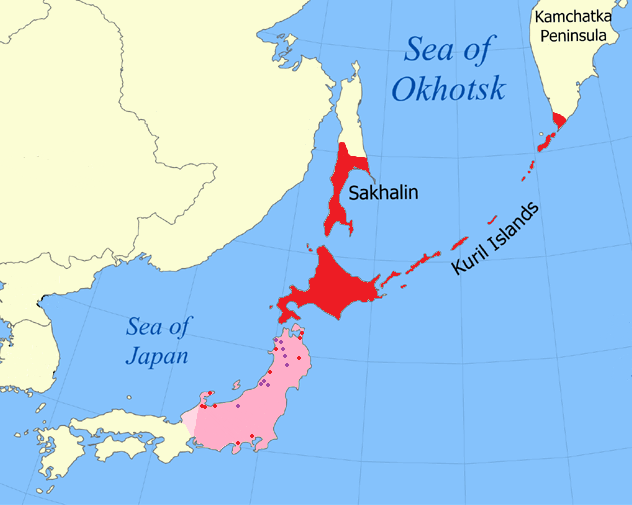
Ainu was not written in an indigenous script until contact with literate societies introduced orthographic practices. From the 19th century, researchers and Ainu speakers used katakana and Latin-based alphabets to record words and texts. Historically the language was spoken across regions known as Ezo, including modern Hokkaidō, parts of the Kuril Islands, and southern Sakhalin. Contact with neighboring language communities such as Japanese influenced vocabulary and patterns of bilingualism, especially after intensified interaction in the 18th–20th centuries.
Dialects and geographic range
There were many Ainu dialects; some named varieties included those of southern Hokkaidō and island groups. Dialect differences could be large enough to impede mutual understanding between speakers from distant areas. Today the Hokkaidō varieties are the ones most often documented and taught; dialects once spoken on Sakhalin and in the Kurils are extinct.
Contemporary status and revitalization
Ainu is widely described as critically endangered: few elderly native speakers remain, and intergenerational transmission has been interrupted. Since the late 20th century there has been growing interest in revitalizing the language. Efforts include community classes, academic research, publication of learning materials, broadcast programs, and cultural projects that integrate language learning with traditional arts, ritual language, and place names. Museums, cultural centers, and local educational programs in Hokkaidō play an important role in these initiatives.
Notable facts and distinctions
- Ethnonym: The word "Ainu" itself derives from the Ainu word for "human".
- Isolate: Because it cannot be conclusively linked to other families, Ainu is treated as a language isolate.
- Cultural terms: Several Ainu words such as kamuy (spirit or god) have entered wider use in scholarship and popular culture.
For readers seeking more information, introductory grammars, lexicons, and community resources remain the best way to learn about Ainu, its structure, and its cultural context. Educational and preservation efforts continue to adapt to community needs and to involve younger generations in keeping the language alive.
Learn more about the Ainu people • Geography of northern Japan • Writing systems used for Ainu • Historical name Ezo • Hokkaidō and local initiatives • Sakhalin and former dialects • Contact with Japanese
Questions and answers
Q: What is the Ainu language?
A: The Ainu language is the language of the Ainu people in northern Japan.
Q: Was Ainu language written before the 19th century?
A: No, it was not written until the 19th century.
Q: In what writing systems is Ainu language written today?
A: Ainu language is written in katakana or the Latin alphabet.
Q: In what regions was Ainu language spoken in the 19th century?
A: Ainu language was spoken in Ezo (including Hokkaidō Island and the southern part of Chishima Islands), the southern part of Karapto (Sakhalin) and the northern part of Chishima Islands (Kuril Islands).
Q: Does Ainu language still have multiple dialects today?
A: No, now only the Hokkaidō dialect survives.
Q: Were Ainu dialects mutually intelligible?
A: No, the dialects were so different from one another that a speaker of one dialect could not understand a speaker of another dialect.
Q: What other languages were historically spoken near Ainu speakers?
A: Historically, speakers of Ainu lived near speakers of Japanese and Itelmen (from Kamchatka). The Nivkh, which was spoken in the northern part of Sakhalin, is another isolated language.
Related articles
Author
AlegsaOnline.com Ainu language: overview, history, dialects and contemporary revival Leandro Alegsa
URL: https://en.alegsaonline.com/art/1599