
Shizuoka Prefecture, Japan: geography, history and culture
Shizuoka Prefecture on Honshu's Pacific coast includes Mount Fuji's southern slopes, the Izu Peninsula and Suruga Bay. Known for green tea, seafood, manufacturing in Hamamatsu, hot springs and coastal scenery.

Shizuoka Prefecture is a coastal region on the island of Honshu in central Japan. It is administered as a modern prefecture and lies within the Chūbu region of Japan. The prefectural capital is the city of Shizuoka; other important cities include Hamamatsu and Atami. Shizuoka serves as a transitional zone between the greater Tokyo metropolitan area to the east and the Kansai/Nagoya corridor to the west.
Image gallery
10 Images


Geography and landscape
The landscape ranges from the Pacific coastline and Suruga Bay to the rugged Izu Peninsula and the southern flanks of Mount Fuji, which the prefecture shares with neighboring Yamanashi. Coastal plains support farms and towns, while interior valleys and mountain streams create dramatic scenery. The climate is generally temperate, with milder winters along the ocean and warmer summers inland.
Economy and notable products
Shizuoka combines agriculture, fisheries and industry. It is especially well known as Japan’s leading producer of green tea, with large tea-growing areas and a strong tea-processing sector. Suruga Bay supplies various seafood, including specialty shrimps and coastal fish. The prefecture also hosts significant manufacturing: musical instruments, motorcycles and parts are produced in cities such as Hamamatsu.
- Agriculture: green tea, horticulture and some specialty crops.
- Fisheries: coastal catches and local specialties.
- Industry: precision instruments, vehicle-related manufacturing, and food processing.
History and culture
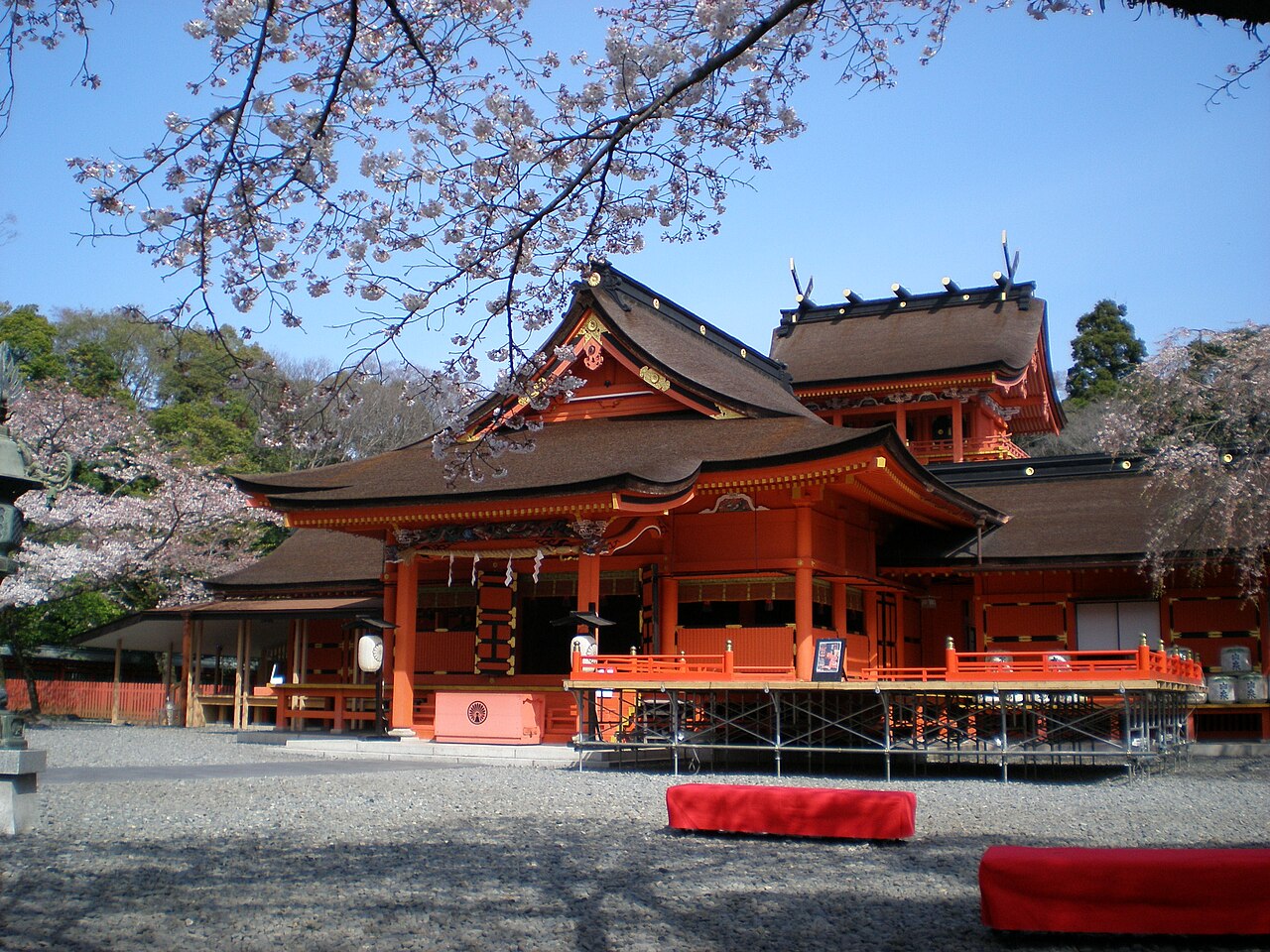
Historically the area corresponded to provinces such as Suruga, Tōtōmi and Izu. During the feudal era the region attracted the attention of powerful clans; the city historically known as Sunpu was connected with Tokugawa Ieyasu and played a role in early modern governance. Cultural life emphasizes regional festivals, tea ceremony traditions and a strong local culinary identity tied to seafood and tea.
Transport, tourism and attractions
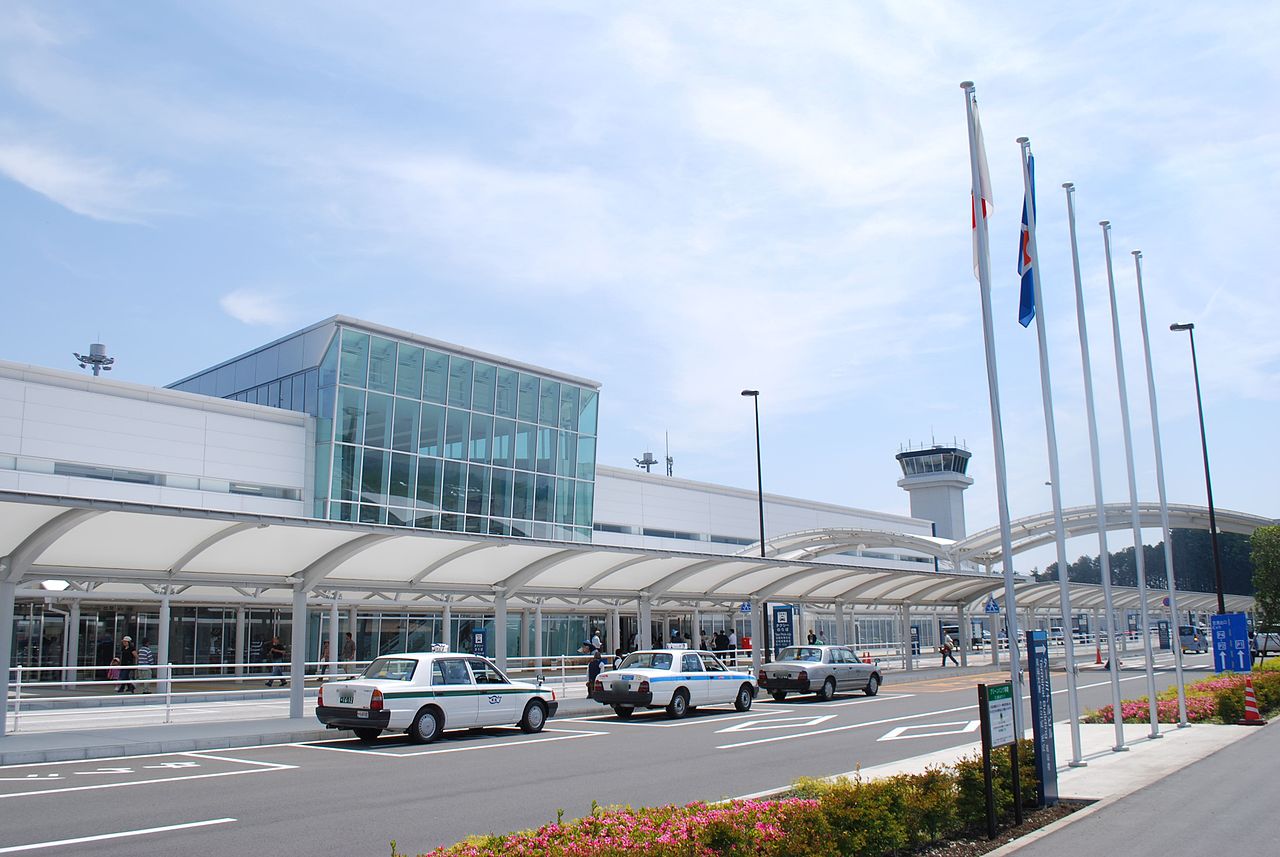
Shizuoka is well connected by the Tōkaidō rail corridor and expressways, and stops on the high-speed Shinkansen link make it accessible from Tokyo and Osaka. Popular destinations include coastal hot-spring resorts on the Izu Peninsula, scenic drives around Suruga Bay, and trails and viewing points for Mount Fuji. Visitors often combine outdoor recreation, onsen stays and visits to cultural sites such as historic castles and museums.
Distinguishing facts
Shizuoka is notable for its blend of natural landmarks and industry: it contains part of Mount Fuji (a UNESCO World Heritage site), supplies a large share of Japan’s tea, and hosts an industrial cluster around Hamamatsu that links music, automotive and precision manufacturing. Its central location and varied landscapes make it both an agricultural heartland and a popular travel region.
Questions and answers
Q: Where is Shizuoka Prefecture located?
A: Shizuoka Prefecture is located in the Chūbu region of Japan on the island of Honshu.
Q: What is the capital city of Shizuoka Prefecture?
A: The capital city of Shizuoka Prefecture is Shizuoka.
Q: What is the name of the region in Japan where Shizuoka Prefecture is located?
A: Shizuoka Prefecture is located in the Chūbu region of Japan.
Q: Which island in Japan is Shizuoka Prefecture located on?
A: Shizuoka Prefecture is located on the island of Honshu.
Q: What is the meaning of the word "prefecture" in Japan?
A: In Japan, a "prefecture" is a geographical area equivalent to a state or province in other countries.
Q: What kind of place is Shizuoka Prefecture known for?
A: Shizuoka Prefecture is known for its beautiful scenery, including Mount Fuji, beaches, and hot springs.
Q: What is the population of Shizuoka Prefecture?
A: As of 2021, the population of Shizuoka Prefecture is approximately 3.6 million people.
Related articles
Author
AlegsaOnline.com Shizuoka Prefecture, Japan: geography, history and culture Leandro Alegsa
URL: https://en.alegsaonline.com/art/89906
Sources
- ens-newswire.com : "Japan's Prime Minister Shuts Nuclear Plant in Earthquake Danger Zone,"
- env.go.jp : "General overview of area figures for Natural Parks by prefecture"
- eos.kokugakuin.ac.jp : "Nationwide List of Ichinomiya," p. 1