
Shin-Ōsaka Station
Major railway station in Yodogawa-ku, Osaka, serving Tokaido and Sanyo Shinkansen, JR conventional lines and the Osaka Metro Midosuji Line; a primary interchange for long-distance and local travel.
Overview
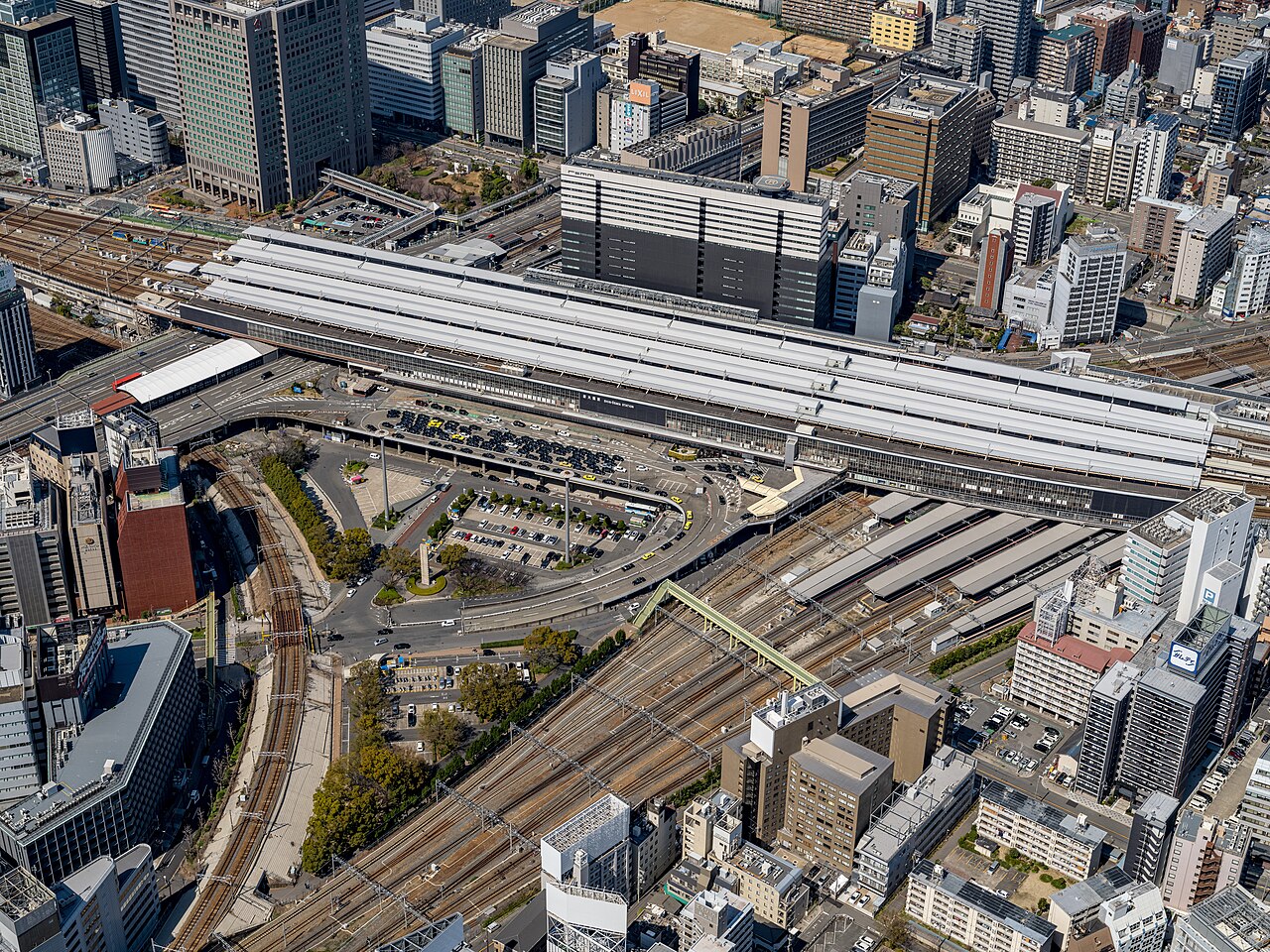
Shin-Ōsaka Station (新大阪駅, "New Osaka") is a principal rail hub in Yodogawa-ku in northern Osaka. It functions as the city's primary high-speed rail gateway, linking urban transit with Japan's Shinkansen network. The station sits within the greater Osaka metropolitan area and is positioned to serve both long-distance travelers and daily commuters. See its rough location at coordinates and its municipal context at Osaka, Japan.
Image gallery
6 Images



Lines and layout
Shin-Ōsaka accommodates multiple operators and levels. Key services include:
- Tokaido Shinkansen (operated by JR Central) and Sanyo Shinkansen (JR West) — high-speed platforms occupy elevated tracks designed for long trains and rapid boarding.
- JR conventional lines, notably the JR Kyoto Line (part of the Tokaido Main Line), providing local and rapid connections to central Osaka, Kyoto and beyond.
- Osaka Metro Midosuji Line — an underground subway line offering frequent city service and direct access to other urban destinations.
The station features separate ticket gates and concourses for Shinkansen and local lines; vertical circulation (escalators, elevators, stairs) links platform levels for transfers.
History and development
Opened in the 1960s to serve the newly built Shinkansen network, Shin-Ōsaka was established to provide a high-speed terminus outside the older central Osaka terminal. Over the decades it has been upgraded with expanded concourses, retail facilities and accessibility improvements to handle growing passenger flows and modern rolling stock.
Uses and importance
The station's primary role is as a transfer point between high-speed intercity services and local transit. Travelers arriving by Shinkansen can change to regional JR services or the Midosuji subway to reach business districts, universities and hotels. It is also a regional distribution node for buses and taxis serving Osaka and neighboring prefectures.
Notable facts and distinctions
Although it carries the Osaka name, Shin-Ōsaka is distinct from Osaka Station (Umeda) and is located several minutes away by rail. Its design emphasizes efficient interchange for long-distance passengers and commuter flows, and it remains one of the most important transport gateways in western Japan.
Related articles
Author
AlegsaOnline.com Shin-Ōsaka Station Leandro Alegsa
URL: https://en.alegsaonline.com/art/89798