
Sterling silver: composition, properties, history, and use
Sterling silver is an alloy of 92.5% silver and 7.5% other metals, prized for its appearance and workability. This article covers composition, variants, history, hallmarking, care, and common uses.
Overview
Sterling silver is a durable form of silver created by combining elemental silver with small amounts of other metals to improve strength and practicality. The conventional composition is 92.5% silver with 7.5% alloying metals, a balance that preserves the bright, reflective qualities of silver while adding mechanical stability. The term "sterling" is long established in English use, but its exact linguistic origin is uncertain; it is best understood today as a standard that denotes a specific level of silver purity.
Image gallery
7 Images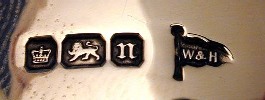


Composition and physical properties
By definition, sterling silver contains 92.5% pure silver and 7.5% other elements, most often copper. The concept of an alloy is central: combining metals changes hardness, ductility, melting point, and wear resistance. Pure or "fine" silver (about 99.9%) is relatively soft, so the added metal increases resistance to denting and deformation while retaining good malleability and a pleasing luster. Sterling also retains silver's high electrical and thermal conductivity and its characteristic tone in musical applications.
Common additions and modern variants
Copper is traditional, but contemporary manufacturers sometimes substitute or add other elements to address specific problems such as discoloration and tarnish. For example, adding small amounts of germanium produces alloys like Argentium that resist tarnish and are easier to maintain. Other possible alloying elements include zinc, platinum, silicon, and boron, each affecting casting behavior, hardness, and surface stability. These alternative formulas are used when makers need enhanced corrosion resistance, brighter finishes, or improved soldering and working properties.
History and legal standards
Legal definitions of silver standards are centuries old. One of the earliest recorded statutes, issued in 1275 during the reign of Edward I, prescribed specific proportions of alloy for coinage, establishing a controlled measure of purity tied to weight units such as the ounce. Over time, the sterling benchmark—often expressed numerically as "925"—became widely accepted across Britain and in many trade contexts. Other regions developed their own standards: for example, some historical coinage and flatware used a 90% silver content, sometimes called coin silver, while "fine" silver denoted nearly pure metal.
Uses, examples, and care
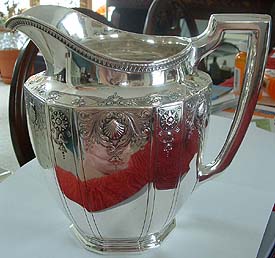
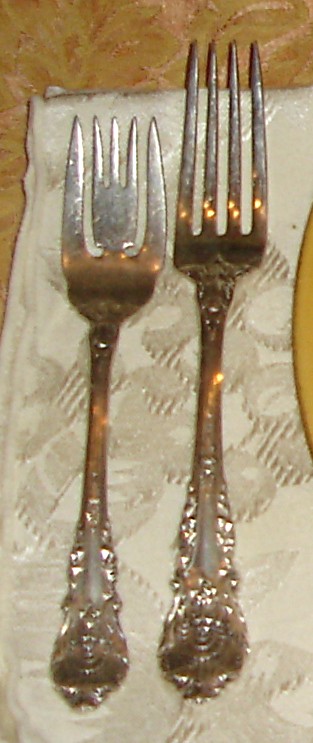
Sterling silver is commonly used for jewelry, flatware, decorative objects, musical instrument components, and collectible coins. Its combination of beauty and workability makes it a favorite among metalsmiths and jewelers. However, ordinary sterling will slowly react with sulfur compounds in air and certain foods, forming surface sulfides that appear as tarnish. Care typically involves storing pieces in low-humidity environments, occasional polishing with non-abrasive cleaners, and using anti-tarnish bags or cloths. Alloys engineered for low tarnish reduce maintenance but may be marketed at a premium.
Hallmarks, certification, and notable distinctions
To protect consumers and assure quality, many countries use hallmarking systems in which assay offices test and stamp items to verify silver content. Markings such as "925", "sterling", or regional symbols indicate compliance with the standard. Distinctions important to buyers include the difference between sterling and fine silver, historical variants like coin silver, and modern trademarked alloys such as Argentium. Collectors also consider maker's marks, assay marks, and provenance when assessing value.
For further reading on alloy chemistry, historical regulation, and care techniques, consult specialized references or assay office guidance. Manufacturers and jewelers may provide product-specific information about modern alloys and recommended maintenance routines.
Alloy | Silver | Copper | Ductility | Precious metal | Tarnish | Germanium | Zinc | Platinum | Silicon | Boron | Edward I | Ounce
Questions and answers
Q: What is sterling silver?
A: Sterling silver is an alloy of silver containing 92.5% by mass of silver and 7.5% by mass of other metals, usually copper.
Q: Is pure silver suitable for making objects?
A: No, pure silver, for example 99.9% pure, is generally too soft for making objects for use so it must be alloyed with copper to give it strength while keeping the ductility and beauty of the precious metal.
Q: What other metals can replace the copper in sterling silver alloys?
A: Other metals that can replace the copper in sterling silver alloys include germanium, zinc and platinum, as well as a variety of other additives such as silicon and boron.
Q: When was the first legal definition of sterling silver introduced?
A: The first legal definition of sterling silver appeared in 1275 when a statute specified that 12 ounces of silver for coinage should contain 11 ounces 2 1/4 pennyweights of silver and 17 3/4 pennyweights of alloy with 20 pennyweights to the Troy ounce.
Q: Are there any modern variations on sterling silver alloys?
A: Yes, alloys such as argentium have appeared in recent decades which has some germanium added and resists tarnishing well.
Q: How are sterling standards protected?
A: Sterling standards are protected by hallmarks stamped on pieces by officials.
Related articles
Author
AlegsaOnline.com Sterling silver: composition, properties, history, and use Leandro Alegsa
URL: https://en.alegsaonline.com/art/93806
Sources
- worldcat.org : 11900114