
Shark Bay (Western Australia): World Heritage area, seagrass and stromatolites
Shark Bay is a large, protected bay on Western Australia’s coast, notable for vast seagrass beds, dugongs, living stromatolites and a rich natural and cultural history.
Overview
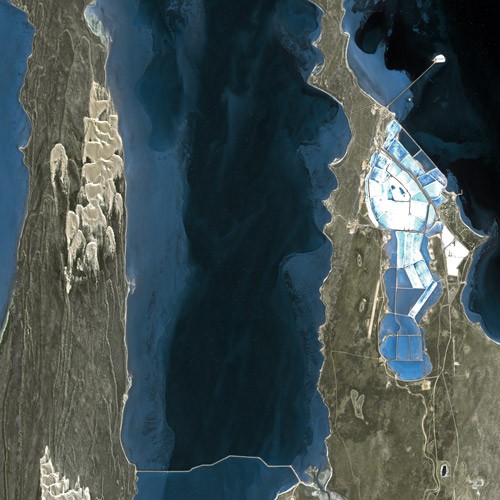
Shark Bay is a broad coastal embayment on the western edge of Australia, recognized for outstanding natural values and inscribed on the UNESCO World Heritage List in 1991. The designated protected region includes the bay itself, many islands and surrounding reserve lands, covering over two million hectares. It is remote from major cities and is known for clear waters, extensive tidal flats and unusual gradients in salinity.
Image gallery
8 Images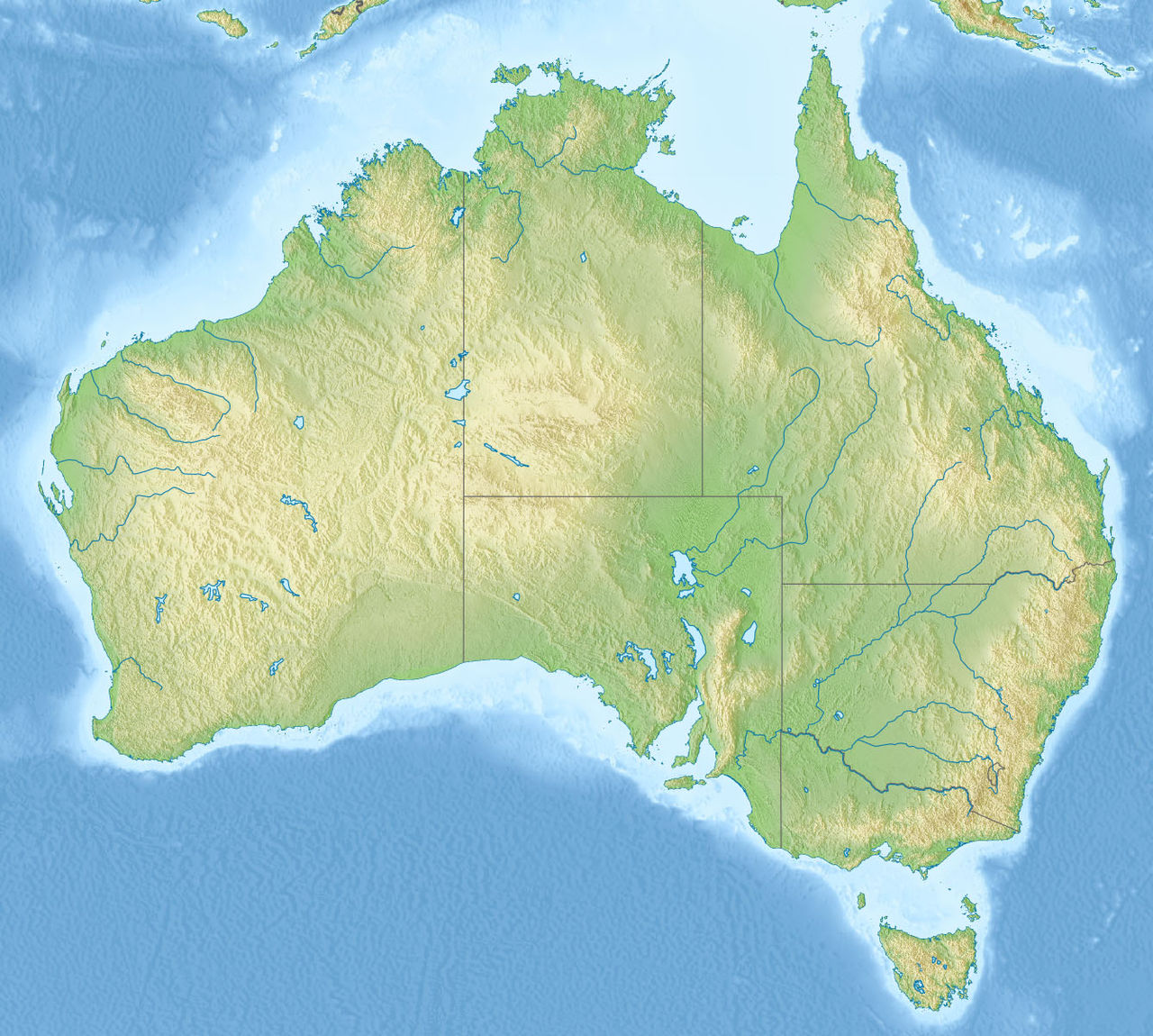



Key natural features
The area is important for several interrelated reasons:
- Seagrass meadows: Shark Bay contains some of the largest continuous seagrass beds on Earth. These meadows provide habitat and food for a variety of marine life and play a major role in carbon storage and coastal stability.
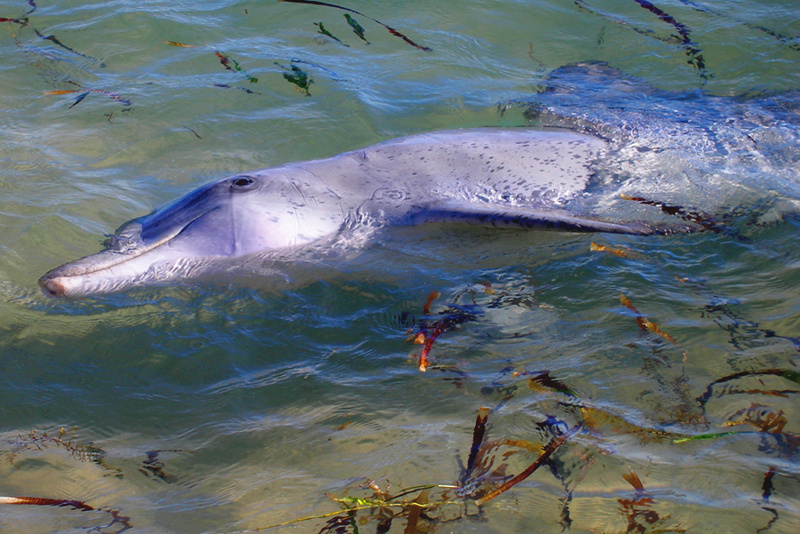
- Marine mammals: The seagrasses support large populations of dugongs; estimates suggest the bay holds a significant share of the world population of this species.
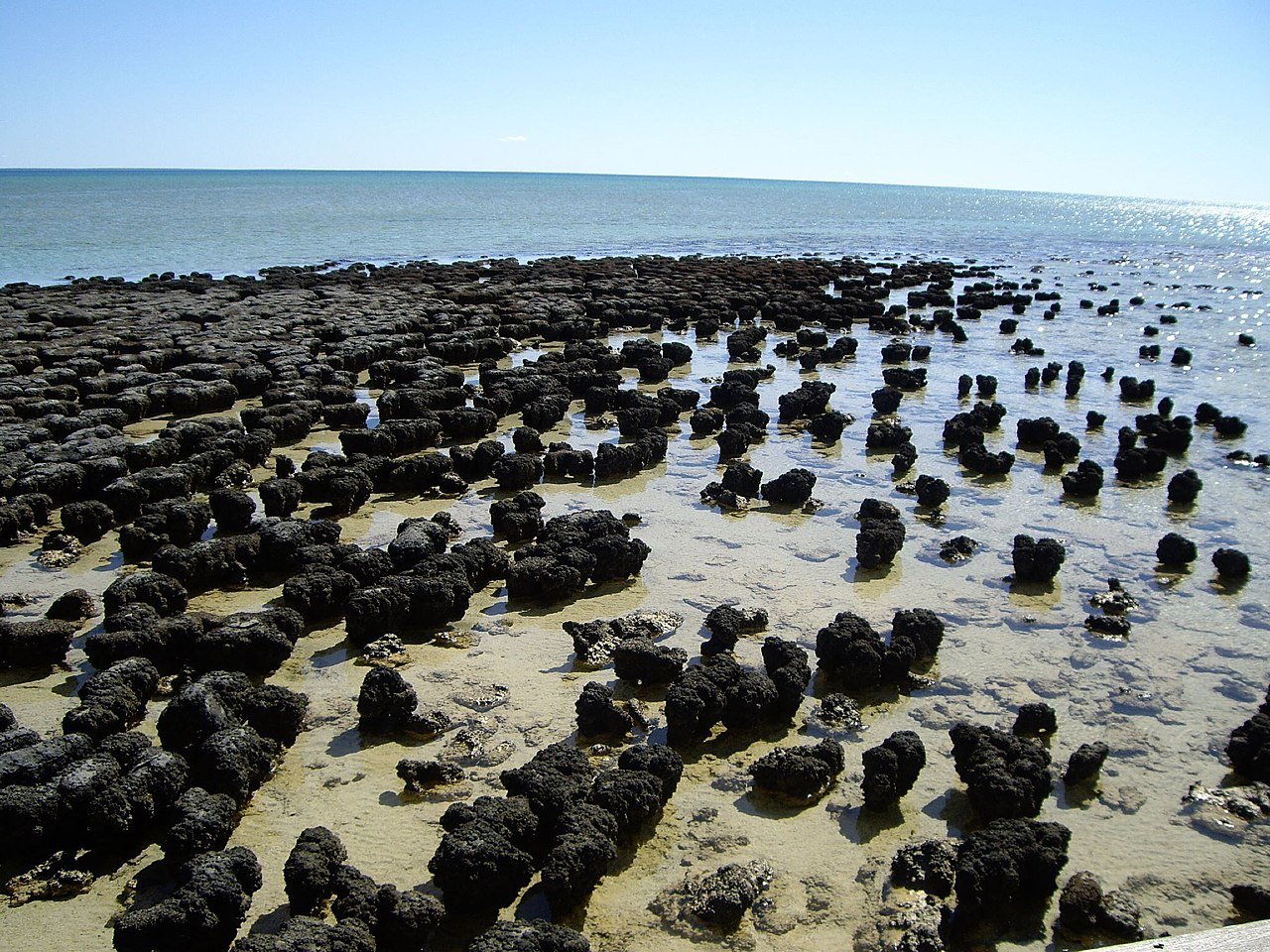
- Stromatolites: In shallow hypersaline pools such as Hamelin Pool, living stromatolites — layered structures formed by microbial mats — persist and are valued as analogues of Earth’s earliest ecosystems.
- Islands and shorelines: Dozens of islands, sandy beaches and tidal flats create diverse habitats for birds, fish, reptiles and invertebrates.
History and human connections
The region has a long Indigenous history; Aboriginal peoples have lived in and managed the area for thousands of years and continue to have cultural ties to its landscapes and waters. European visitors began exploring the coast in the 17th century, and the bay later became the focus of pearling, fishing and pastoral activities. Modern conservation policy seeks to balance local livelihoods with protection of fragile ecosystems.
Ecology, conservation and management
Shark Bay’s ecological value has prompted national and international protections. Management focuses on preserving seagrass meadows, protecting dugongs and turtles, maintaining water quality, and limiting disturbance to stromatolites. Threats include climate variability, extreme weather events, invasive species and human impacts such as coastal development or unregulated recreation. Ongoing research monitors habitats and species trends to inform conservation actions.
Visiting and significance
The area is a destination for nature-based tourism: wildlife viewing, boating, snorkeling and cultural tourism are common activities. Visitor facilities are concentrated in a few towns and reserves; travel into more remote parts of the World Heritage area is regulated to reduce impacts. Shark Bay is widely cited in scientific and conservation literature as a key site for understanding marine ecosystems, early life analogues, and the role of seagrasses in coastal environments.
Resources and further reading
- Shark Bay location and overview
- Geography and distances
- Visitor information and travel
- Nearby regional centres
- World Heritage listing details
- UNESCO statement of significance
- Dugong populations and research
- Stromatolites and microbialites
- Protected area boundaries and size
- Management, conservation and scientific studies
For more detailed maps, cultural histories and scientific reports consult regional park authorities and research institutions. Careful stewardship aims to keep Shark Bay’s natural systems resilient for future generations.
Related articles
Author
AlegsaOnline.com Shark Bay (Western Australia): World Heritage area, seagrass and stromatolites Leandro Alegsa
URL: https://en.alegsaonline.com/art/89507
Sources
- whc.unesco.org : "Shark Bay, Western Australia"
- sharkbay.org : "World Heritage - Managing the World Heritage Area"