
Shangluo: Prefecture-level City in Southeastern Shaanxi, China
Shangluo is a prefecture-level city in southeastern Shaanxi province, China, known for mountainous terrain, agriculture, forestry, traditional Chinese herbs and gold mining. Area ~19,587 km²; 2010 pop. ~2.34 million.
Overview
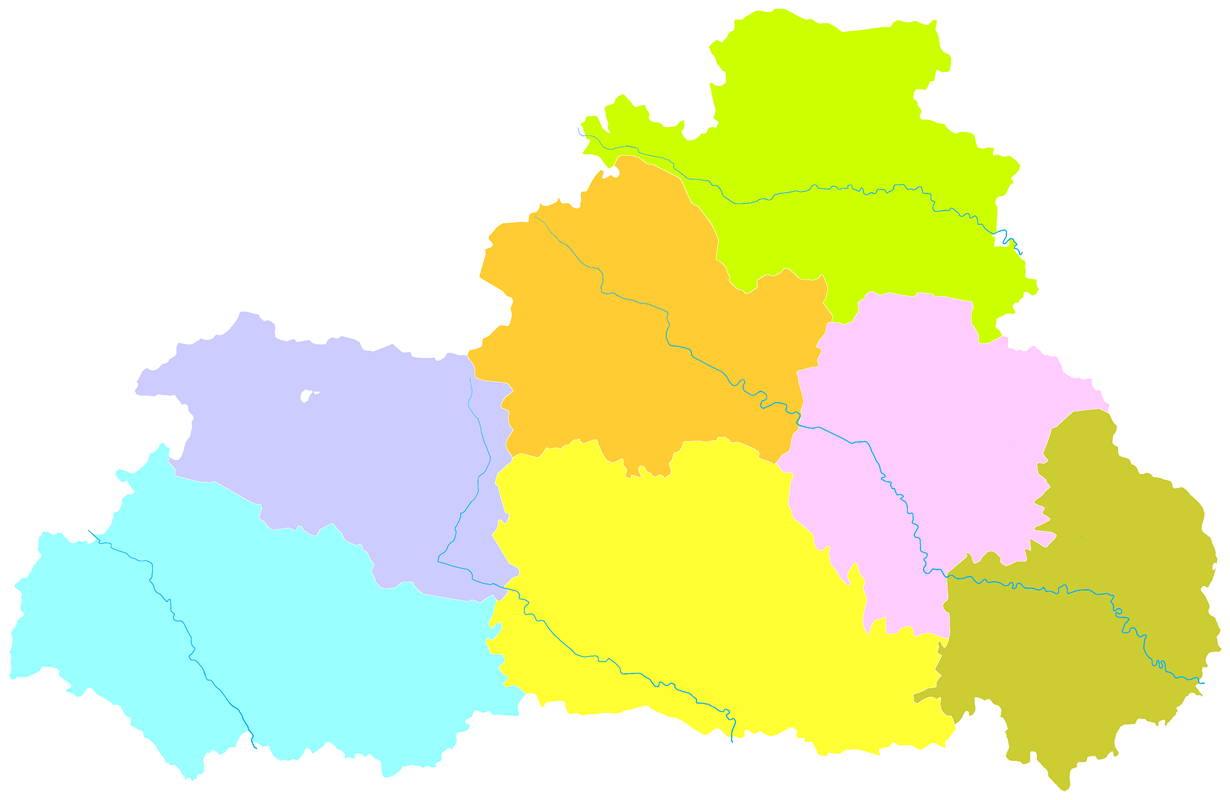
Shangluo (Chinese: 商洛市, pinyin: Shāngluò Shì) is a prefecture-level city located in the southeastern portion of Shaanxi province in Shaanxi, China. Covering about 19,587.31 square kilometres, the jurisdiction combines urban districts and rural counties and had a population of approximately 2,341,742 at the time of the 2010 census. The city occupies a largely mountainous area and serves as an administrative, commercial and agricultural centre for the surrounding region.
Image gallery
4 Images


Geography and environment
Shangluo lies at the transition between the Loess Plateau and southern mountain ranges. The terrain is dominated by hills and valleys, with substantial forest cover and river systems that drain the highlands. This landscape supports a mixture of woodlands, terraced agriculture and habitats that contribute to regional biodiversity. The city's elevation and relief influence local climate patterns and have shaped land use and settlement distribution.
Economy and resources
The local economy historically relies on a combination of primary industries and mineral extraction. Key economic activities include:
- Farming and horticulture, adapted to hillside cultivation.
- Forestry and wood-related products drawn from extensive forested areas.
- Production and collection of medicinal plants used in traditional Chinese medicine (herbology), a locally important sector for both domestic markets and cultural heritage.
- Mining, notably gold and other minerals, which has been an important source of employment and revenue.
History, culture and development
Shangluo's human presence spans centuries, shaped by its position between northern and southern cultural zones. Historically it has been influenced by agricultural settlement, forestry practices and local trade routes. In recent decades, regional development policies have focused on improving infrastructure, balancing resource use with conservation, and promoting sectors such as eco-tourism and specialty agriculture.
Significance and contemporary issues
Today Shangluo is notable for its combination of natural scenery, traditional herbal resources and mineral wealth. Challenges faced by the region include managing sustainable forestry and mining practices, improving rural incomes, and protecting ecological values while supporting economic growth. The city is also developing transport and public services to better connect remote counties with urban centres.
For further administrative and statistical information, consult regional government and statistical sources. Additional cultural and geographical context can be found via provincial overviews and travel resources that cover southeastern Shaanxi and neighboring areas (local name, pinyin, province, country, and herbal medicine references).
Related articles
Author
AlegsaOnline.com Shangluo: Prefecture-level City in Southeastern Shaanxi, China Leandro Alegsa
URL: https://en.alegsaonline.com/art/89462
Sources
- saxdm.gov.cn : "商洛市"
- lnxuanchuan.gov.cn : "商洛市2010年第六次全国人口普查主要数据公报"