
Shaoxing: history, culture, and key facts
Shaoxing, a prefecture-level city in Zhejiang province, eastern China, is known for canals, Shaoxing rice wine, Yue opera, and as the birthplace of writer Lu Xun. Population ~4.3 million.
Shaoxing is a prefecture-level city in eastern China, located within Zhejiang province. The municipality covers about 8,256 square kilometres and has a population of roughly 4.35 million. Its name appears in Chinese as 绍兴 and the city is administered as a modern prefecture-level municipality.
Image gallery
10 Images




History
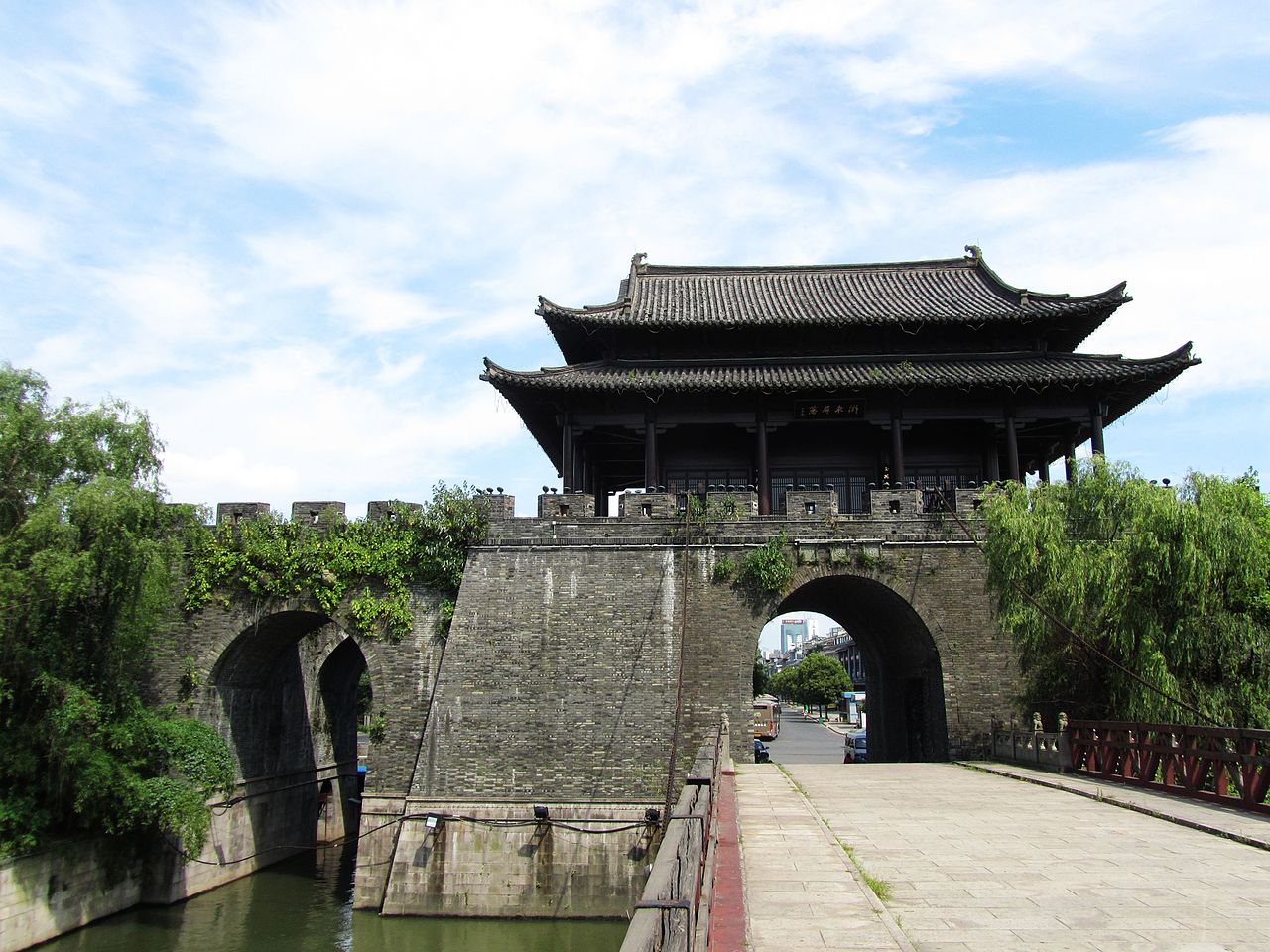
The Shaoxing area has an ancient past: it was part of the cultural region of the Kingdom of Yue in antiquity and later served as a local administrative center under successive dynasties. The modern name "Shaoxing" dates from the Southern Song period, when an imperial era name was adopted for the prefecture. Over centuries the city developed rich literary and scholarly traditions.
Culture and notable figures
Shaoxing is widely recognized for Shaoxing rice wine, a fermented yellow wine used in cooking and consumed as a local specialty. The city is an important center for Yue opera (Yueju), which developed in nearby towns and remains popular across China. Shaoxing is also the birthplace of the influential 20th-century writer Lu Xun, whose former residence and related museums attract visitors.
Economy and daily life
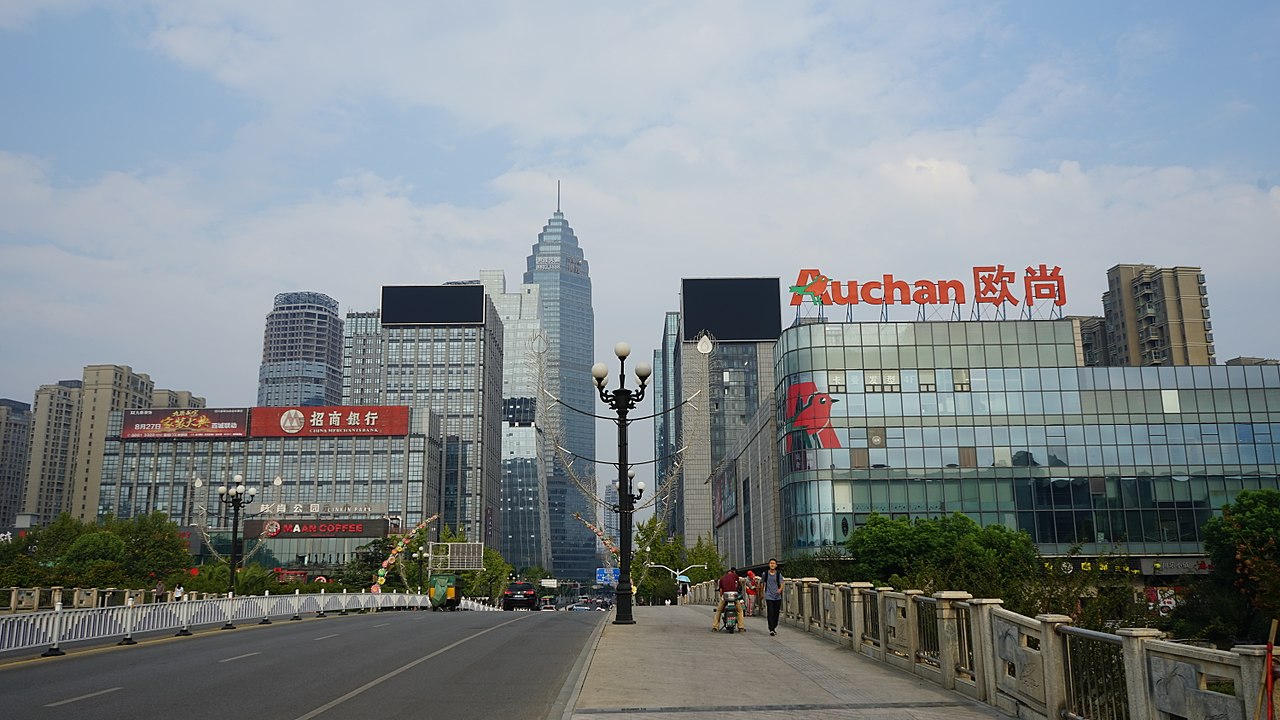
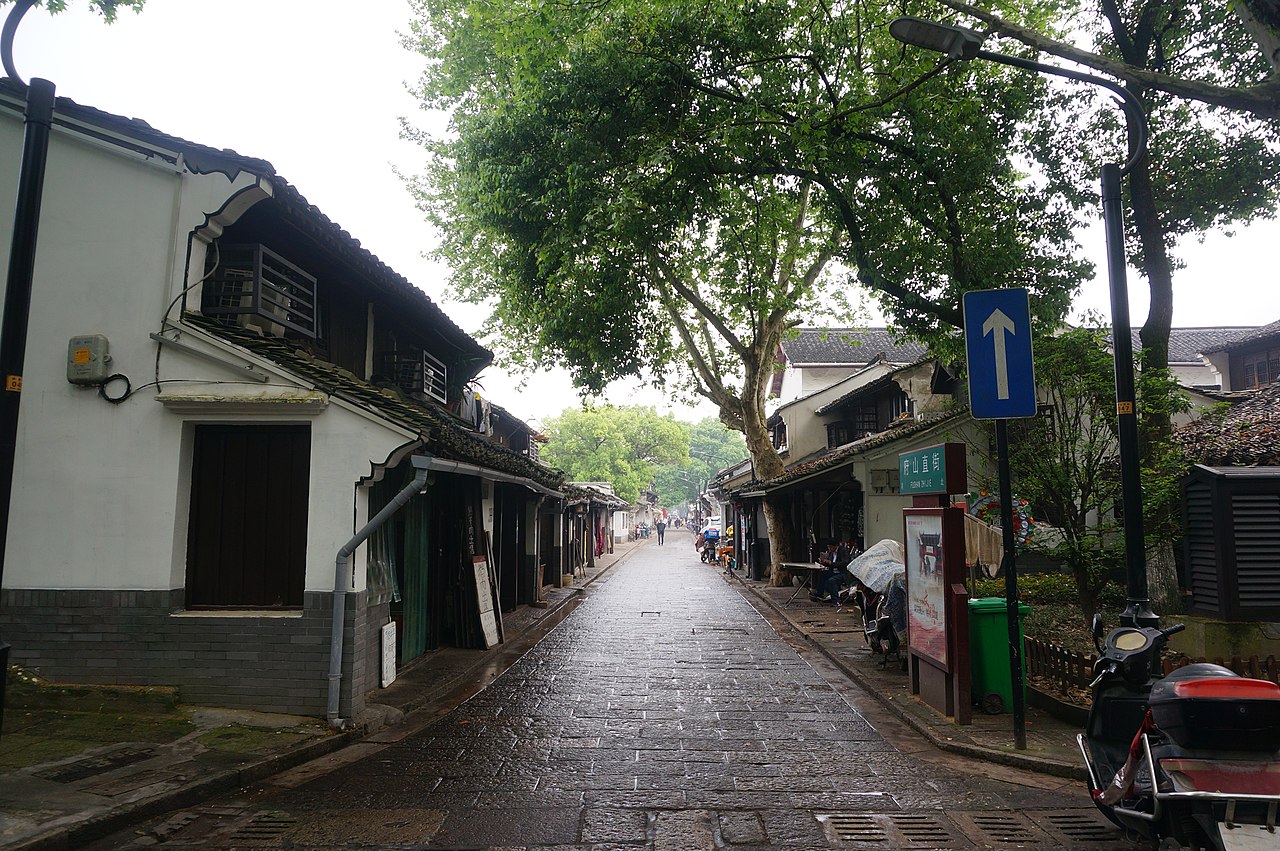
Today Shaoxing combines light industry—textiles and manufacturing—with agriculture and food production (notably rice wine). Canal networks and waterways remain a visible element of daily life in older districts, contributing to a distinctive urban character that mixes traditional neighborhoods with modern development.
Sights and travel
- Well-preserved canal districts and historic bridges, offering boat tours and walking routes.
- Museums and memorials dedicated to local authors and history, including Lu Xun's sites.
- Local markets and wineries where Shaoxing wine and regional cuisine can be sampled.
Visitors find Shaoxing accessible from other Zhejiang cities and larger hubs by road and rail; the city remains valued both as a living cultural landscape and as a regional economic center.
For further reading about its language, local customs, and administrative status see regional references and travel guides: Chinese name and script, municipal structure, national context, provincial overview, and materials on Lu Xun.
Related articles
Author
AlegsaOnline.com Shaoxing: history, culture, and key facts Leandro Alegsa
URL: https://en.alegsaonline.com/art/89480