
Shanghainese food
Cuisine of Shanghai and the Yangtze Delta, known for sweet-savory balance, braised dishes, soup dumplings like xiaolongbao, seasonal seafood such as hairy crab, and techniques including red-braising and steaming.
Shanghainese food refers to the traditional cooking of Shanghai and its surrounding Yangtze Delta. It sits within the wider family of Chinese food but has distinctive local traits shaped by the riverine environment and long coastal access. The cuisine is often associated with the city of Shanghai in China, and its familiar items are frequently celebrated in both home kitchens and restaurant dining rooms.
Image gallery
8 Images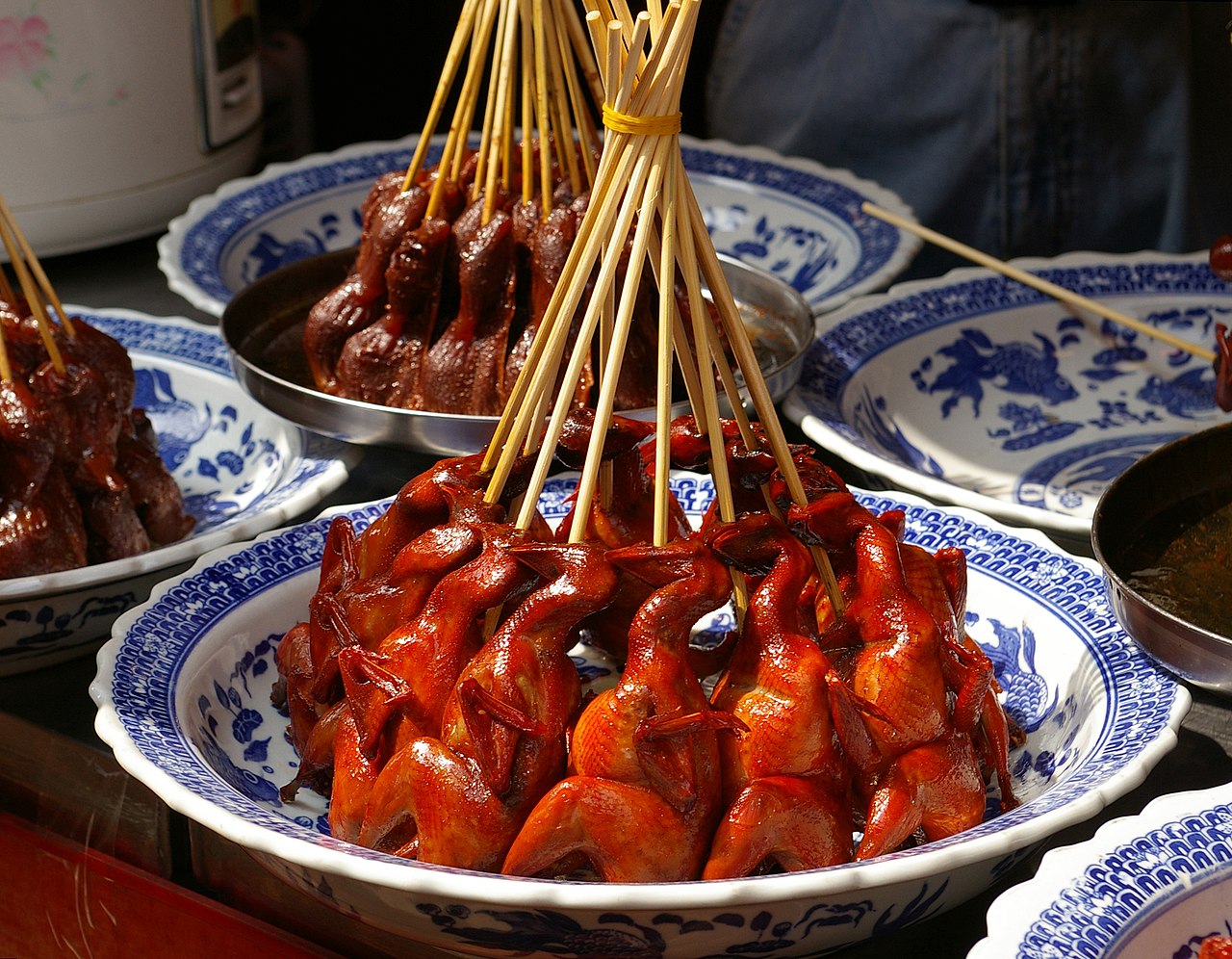


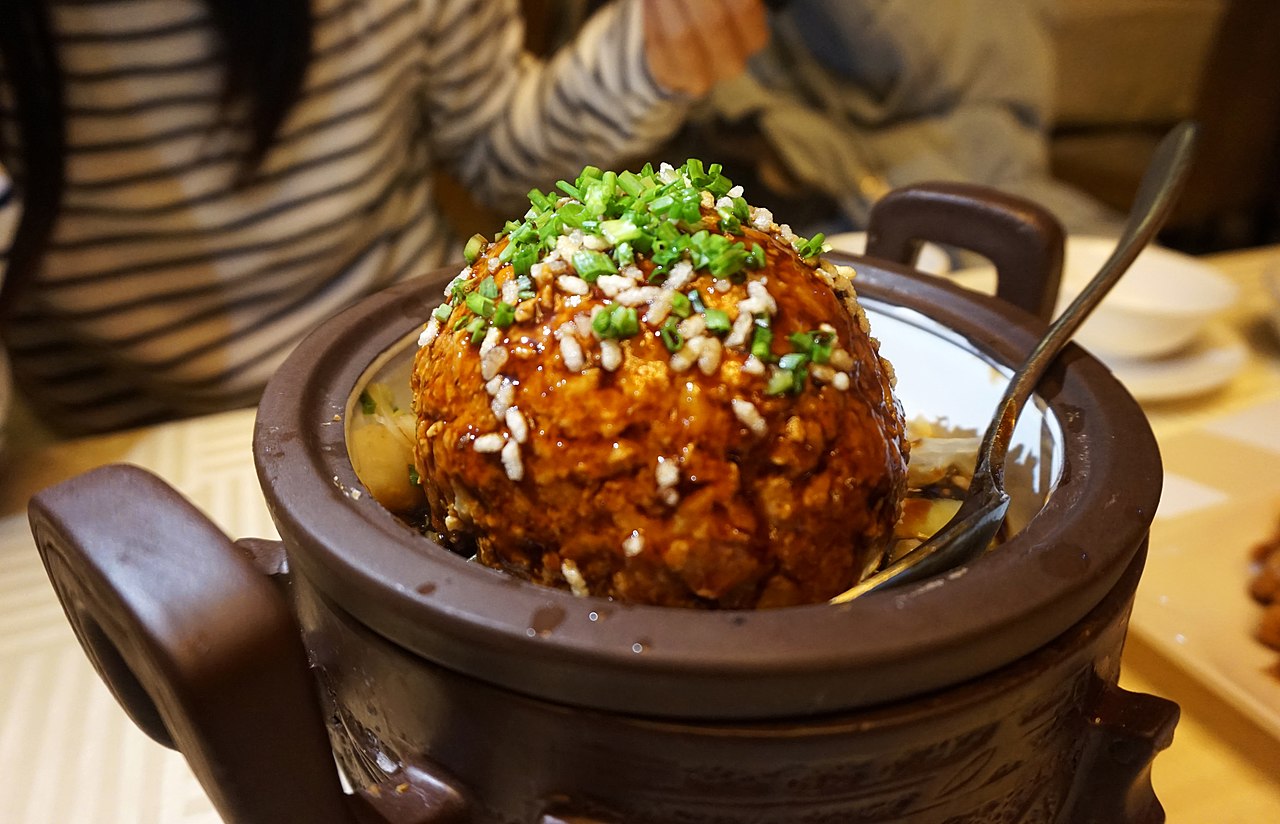
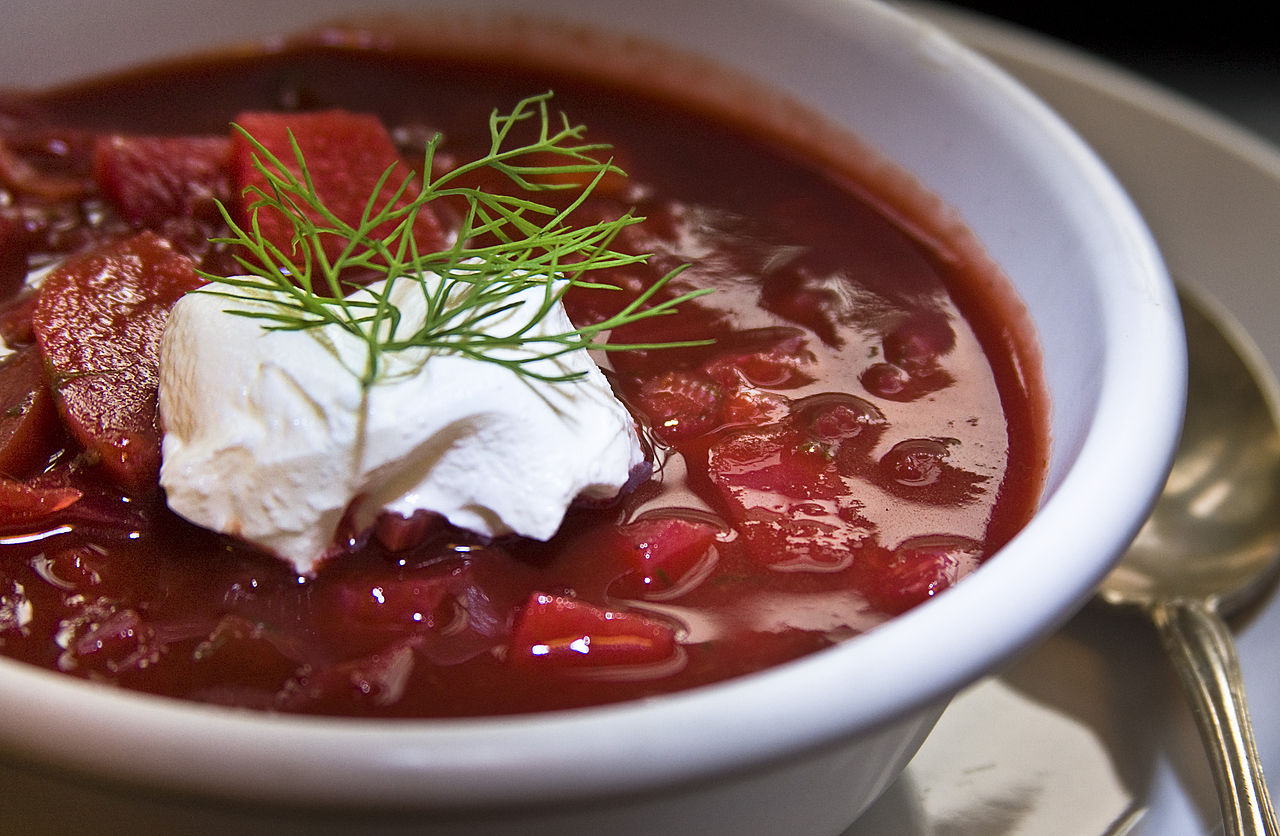


Key characteristics
Flavors in Shanghainese cooking tend toward a subtle, balanced sweetness combined with savory soy notes. Cooks favour techniques that highlight freshness—steaming and braising—rather than heavy spice. Oil is used judiciously to create glossy sauces; sugar and dark soy are common to achieve the characteristic lacquered, caramelized appearance of many dishes. Local freshwater ingredients from the Yangtze are important, as are seasonal seafood and vegetables.
Signature dishes
Some emblematic foods associated with Shanghai include:
- Xiaolongbao — small, thin-skinned steamed soup dumplings filled with seasoned pork and hot broth.
- Hong shao rou (red-braised pork belly) — slowly braised in soy, sugar and spices until tender and glossy.
- Shengjianbao — pan-fried buns with a juicier interior and a crisp bottom.
- Seasonal hairy crab — a prized autumn delicacy for its sweet roe.
- Lightly spiced vegetable and legume preparations such as spiced broad beans and braised bamboo shoots.
Techniques and ingredients
Common methods include hong shao (red-braising), steaming, quick stir-frying and shallow pan-frying. Stocks and broths are used to build depth beneath restrained seasoning. Ingredients reflect both river and sea: freshwater fish, shrimp, crustaceans, soy products, rice, and local greens. Condiments tend to be milder than in some regional Chinese cuisines, emphasizing umami and a touch of sweetness.
History and influences
Shanghainese cuisine developed from the culinary traditions of the Jiangnan region and was influenced over time by trade, migration and foreign concessions in the city. Proximity to prosperous agricultural areas contributed refined vegetable and freshwater produce, while international contact introduced new techniques and ingredients, which local cooks adapted to the prevailing sweet-savoury palate.
Culture, dining and modern presence
Food plays a central role in Shanghai's social life, from humble street snacks to banquet menus. Breakfast and snack culture—featuring various buns and pancakes—remains active alongside fine-dining interpretations of classic dishes. Modern chefs continue to reinterpret Shanghainese staples for contemporary tastes, and the cuisine can be found across China and in overseas Chinese communities. For general overviews and travel-oriented summaries see traditional guides, regional culinary surveys at city resources and broader Chinese cuisine introductions at national portals and style guides. For a focused look at dumplings and their preparation consult specialist pages on xiaolongbao.
Related articles
Author
AlegsaOnline.com Shanghainese food Leandro Alegsa
URL: https://en.alegsaonline.com/art/89460
Sources
- chinesetimeschool.com : "What on Earth is 'White Cut Chicken'"
- chinesetimeschool.com : Chinesetime
- cityweekend.com.cn : "Choice Chinese: White Cut Chicken at Xiao Shaoxing"
- cityweekend.com.cn : City Weekend
- books.google.com : Land of Fish and Rice: Recipes from the Culinary Heart of China
- souperdiaries.com : "Chinese Poached Chicken"
- souperdiaries.com : Souper Diaries
- topchinatravel.com : "Xiaoshaoxing Restaurant"
- topchinatravel.com : Top China Travel
- timeoutshanghai.com : "Xiao Shaoxing"
- timeoutshanghai.com : Time Out Shanghai
- shanghaiist.com : "Dish of the Day: Bai Zhan Ji @ Xiao Shaoxing"
- shanghaiist.com : Shanghaiist
- shanghaiexpat.com : "Hidden Gem: White Cut Chicken at Xiao Shaoxing"
- shanghaiexpat.com : Shanghai Expat