
Shabu-shabu: Japanese hot pot dish
Shabu-shabu is a Japanese nabemono (hot pot) of thinly sliced meat and vegetables cooked briefly in a communal pot and dipped in sauces such as ponzu or sesame.
Shabu-shabu is a Japanese style of hot pot (nabemono) in which very thin slices of meat and an assortment of vegetables are briefly cooked by swishing them in a shared pot of simmering broth. The name is onomatopoeic, imitating the "swish" sound made when ingredients are moved through the liquid. Meals are typically accompanied by dipping sauces—most commonly ponzu (citrus soy) and goma (sesame) sauce—and various condiments that let diners personalize each bite.
Image gallery
9 Images

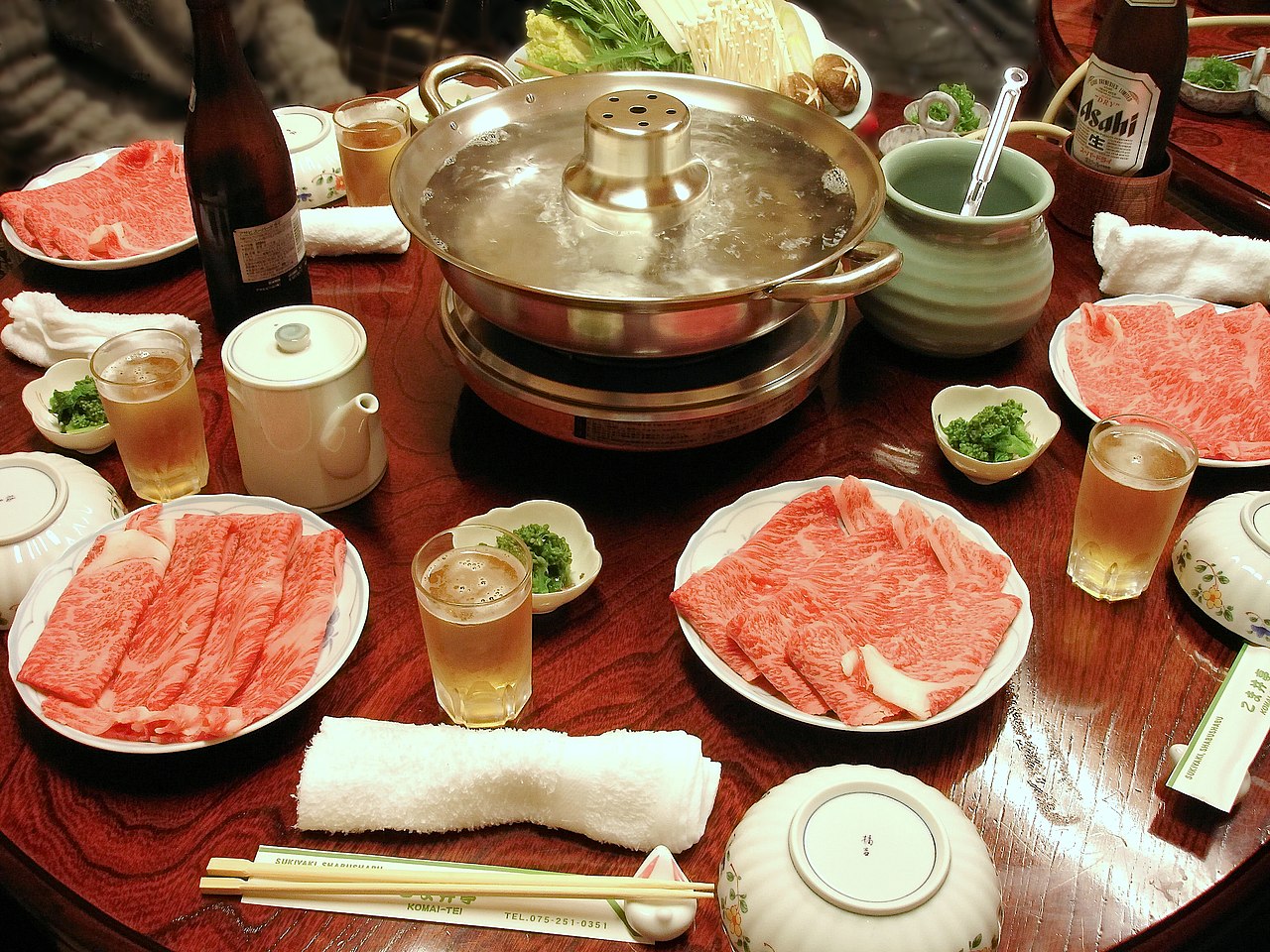


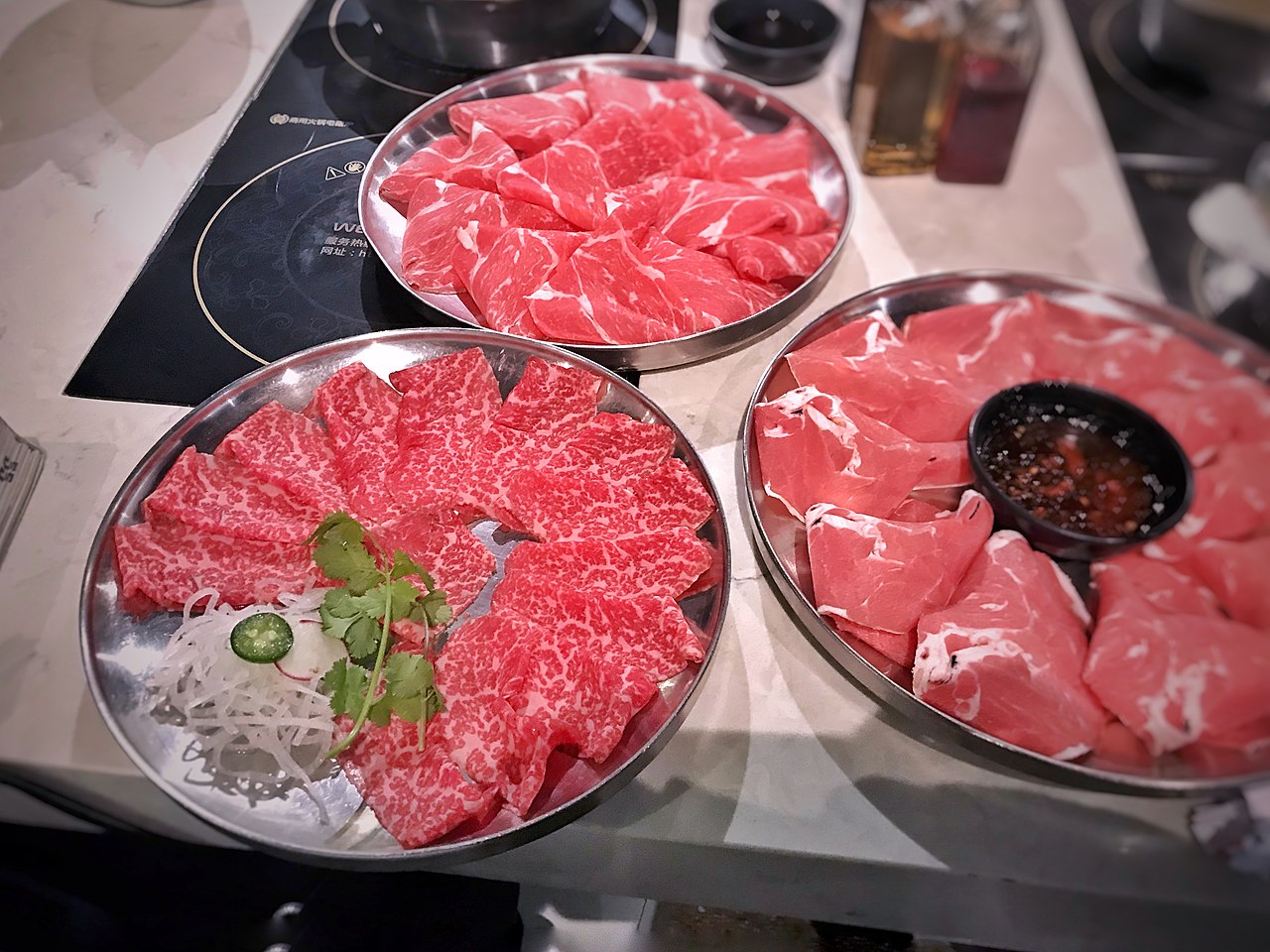

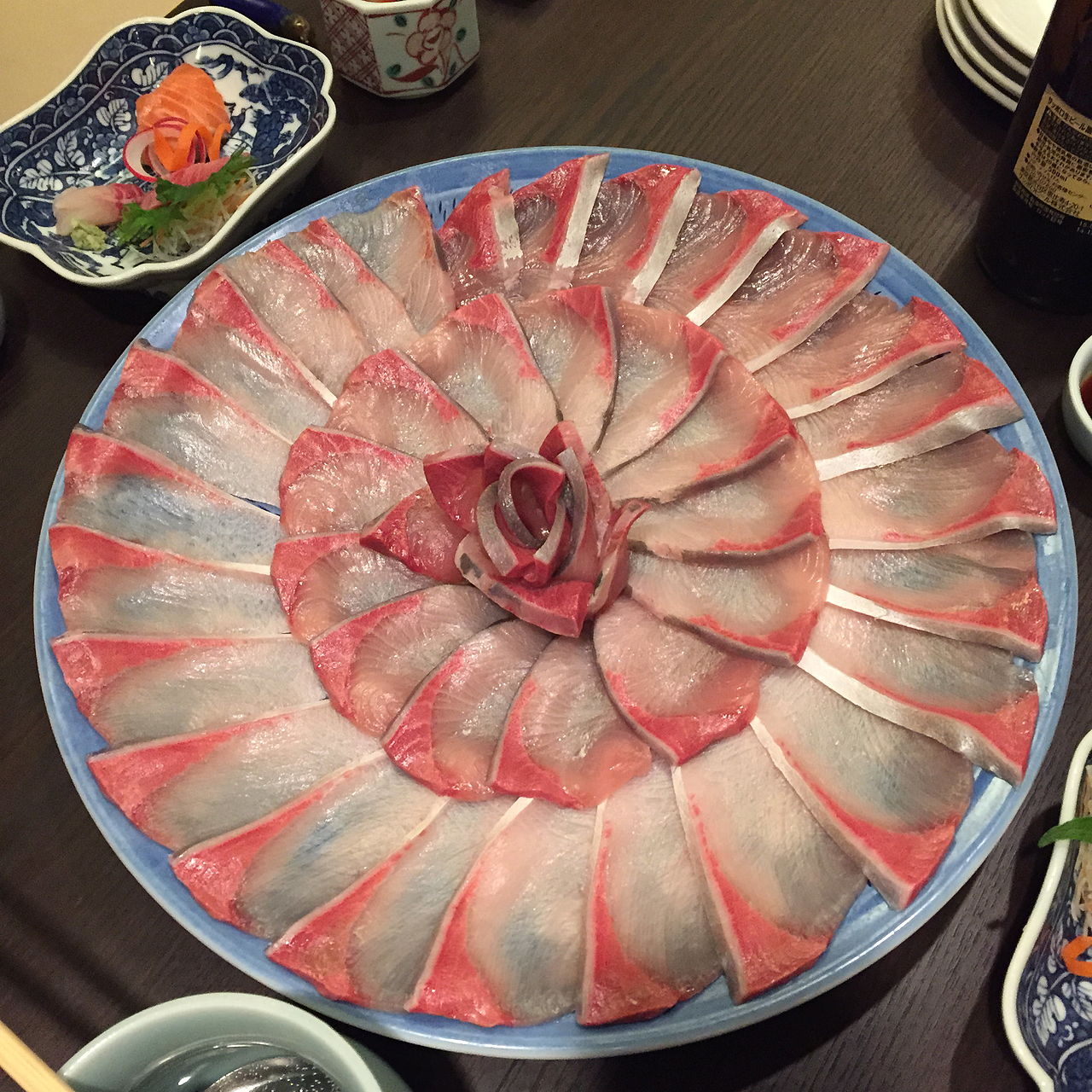

Typical ingredients and components
The basic elements of shabu-shabu are simple, which is part of its appeal: freshness and contrast. A typical selection includes:
- Thinly sliced meat: beef (often ribeye or sirloin) is most common, with pork and chicken also used.
- Vegetables: napa cabbage (hakusai), chrysanthemum greens (shungiku), negi (Welsh onion), and mushrooms such as enoki and shiitake.
- Other additions: tofu, konnyaku, leafy greens and root vegetables. Seafood—shrimp, crab, octopus or salmon—may appear in regional variants.
- Broth: a light kombu (kelp) stock is typical so the subtle flavors of the ingredients remain prominent.
- Condiments and finishing: ponzu and sesame dip, grated daikon, scallions and chili paste. The remaining broth is often used to cook udon or rice at the end of the meal (the shime).
Preparation and serving
At the table, a pot of gently simmering broth sits on a burner. Diners take pieces of meat or vegetables with chopsticks, swish them in the liquid until just cooked—usually a matter of seconds for thin meat slices—and then dip them into their sauce before eating. The communal nature of the pot encourages conversation and a leisurely pace.
History and development
Shabu-shabu developed in Japan as a variation of both Chinese hot pot and traditional Japanese nabemono. It became popular in the 20th century as cooks favored the quick-cooking, fresh approach that highlights ingredient quality. The dish evolved into many local and ingredient-driven forms, adapting to regional tastes and available produce or seafood.
Regional varieties and modern adaptations
Beyond the classic beef-and-vegetable version, there are numerous regional and ingredient-focused varieties. Examples include tako-shabu (octopus), tori-shabu (chicken), sake-shabu (salmon) and preparations featuring Kagoshima kurobuta (black pork). Contemporary restaurants may offer fusion broths, vegetarian options, or premium wagyu beef courses.
Significance and notable facts
Shabu-shabu is enjoyed year-round but is especially popular in cooler months because it is warming and communal. Its emphasis on brief cooking preserves texture and flavor, making ingredient quality important. For an introduction to the broader category, see a general discussion of hot pot traditions.
Whether served at home or in specialized restaurants, shabu-shabu remains a versatile and social meal that balances simplicity with the opportunity for refinement—one of the reasons it has maintained wide appeal both in Japan and internationally.
Related articles
Author
AlegsaOnline.com Shabu-shabu: Japanese hot pot dish Leandro Alegsa
URL: https://en.alegsaonline.com/art/89330