
Hot pot: communal Chinese cooking, regional styles and ingredients
Hot pot is a communal cooking tradition originating in China: diners cook raw ingredients in shared simmering broth. It has many regional styles, common ingredients, and social customs.
Overview
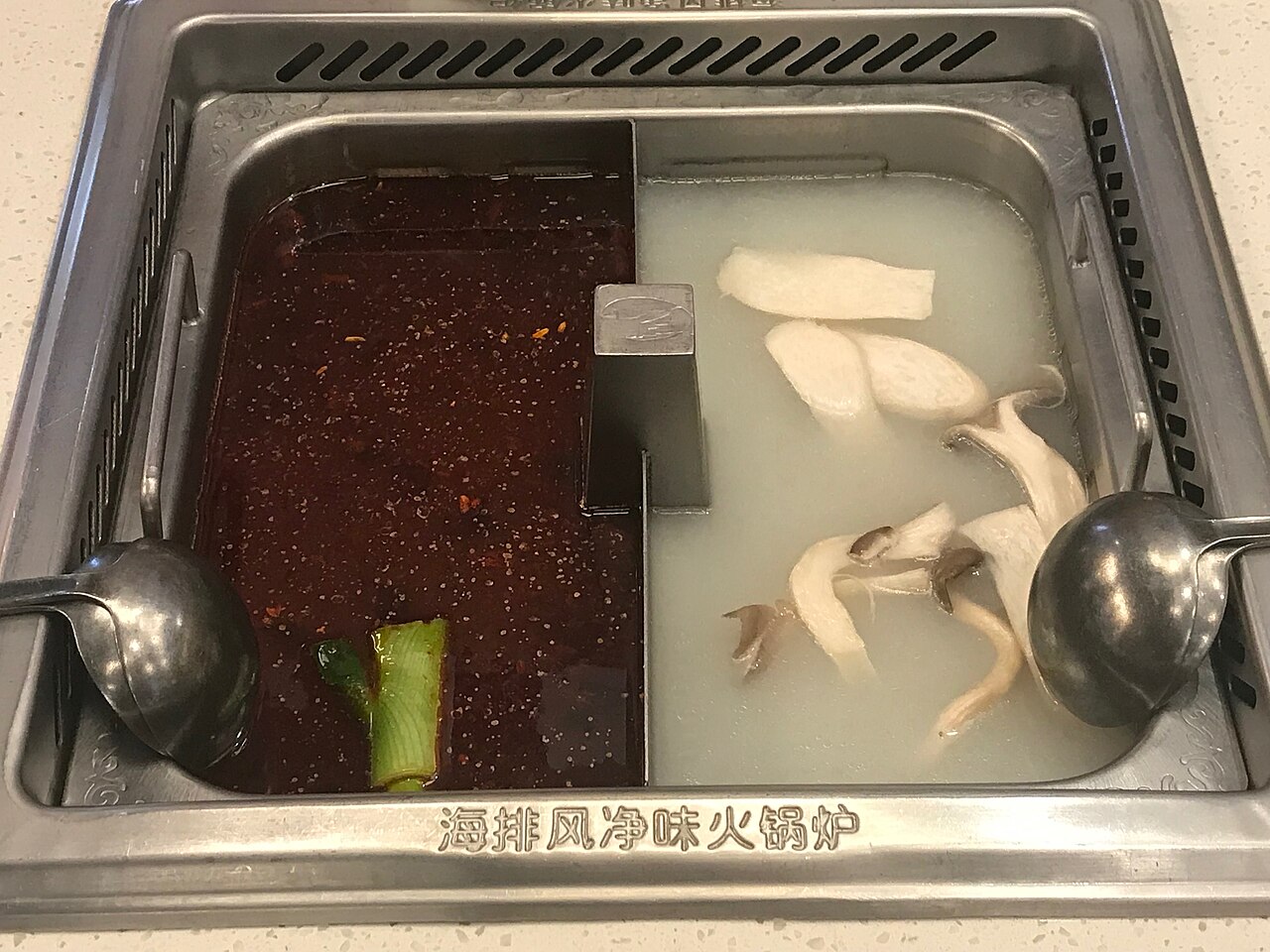
Hot pot is a communal method of cooking and eating that originated in China and is now enjoyed worldwide. Typically a simmering pot of broth is placed at the center of the table and diners add raw items that cook in minutes. The format ranges from simple street-side cauldrons to specialised hot pot restaurants with individual burners and divided pots for multiple broths.
Image gallery
10 Images




Common ingredients and equipment
Ingredients are usually prepared for rapid cooking. Common categories include:
- Thinly sliced meat (beef, lamb, pork) or seafood that cooks in seconds.
- Starches such as slices of potato, taro, or dumplings.
- Vegetables like leafy greens, cabbage, and root vegetables.
- Mushrooms which add umami and texture.
- Noodles and other finishing items that thicken the meal at the end.
Equipment is straightforward: a pot or divided pot, a heat source (portable burner or built-in table unit), slotted ladles and individual bowls. Broths range from clear stocks to richly spiced versions; chili oil and other aromatics are often added to adjust heat and flavor.
Regional styles and history
Hot pot has evolved over centuries and is expressed very differently across regions. The numbing, peppery "mala" style associated with Sichuan cuisine relies heavily on Sichuan peppercorns and red oil; both Chengdu and Chongqing are famous for such fiery variations. Other Chinese traditions include Cantonese broths that emphasize seafood and light stocks, northern lamb-based pots, and seafood-forward coastal versions. A related Japanese variant is called shabu-shabu, which uses thin meat slices swished briefly in boiling broth.
Preparation, sauces and social role
Hot pot is as much social ritual as it is a meal: diners cook together, share dipping sauces, and control each bite's doneness. Common condiments include sesame paste, soy sauce, chopped garlic, cilantro and fresh chili oil for extra heat; cooks often tailor sauces to personal taste. The ability to combine many ingredients and control cooking time makes hot pot adaptable for gatherings, celebrations, and everyday dining.
Notable distinctions
Key differences among hot-pot styles are broth base, spice level and ingredient choice. The use of chili oil or whole spices distinguishes spicy variants, while lighter stocks place emphasis on fresh produce. Whether served at a roadside stall or an upscale venue, hot pot remains a flexible, interactive dining form that highlights shared cooking and a wide ingredient palette.
See also: regional comparisons, cooking safety tips, and typical menus at hot pot restaurants.
Questions and answers
Q: What is hot pot?
A: Hot pot is a popular food throughout China that involves a pot of boiling water, often with chili oil inside, where people put in whatever food they like to boil.
Q: What kind of foods are often cooked in hot pot?
A: Thin slices of meat, starches, vegetables, mushrooms, and noodles are often cooked in hot pot.
Q: Where can hot pot restaurants be found?
A: Hot pot restaurants can be found in many places in China.
Q: Is hot pot only popular in China?
A: Hot pot's popularity is increasing in other countries, as well.
Q: What are Chengdu and Chongqing known for in regards to hot pot?
A: Chengdu and Chongqing hot pot are especially well-known throughout China and worldwide.
Q: What is the dish called in Japanese?
A: The dish is called shabu-shabu in Japanese.
Q: Is there always chili oil in hot pot?
A: Chili oil is often included in hot pot, but not always.
Related articles
Author
AlegsaOnline.com Hot pot: communal Chinese cooking, regional styles and ingredients Leandro Alegsa
URL: https://en.alegsaonline.com/art/45227