
Remus Lupin — wizard, werewolf, and member of the Marauders
Remus Lupin is a sympathetic wizard and werewolf from J. K. Rowling's Harry Potter series: a teacher, member of the Marauders and the Order of the Phoenix, notable for his intelligence, restraint and tragic life.
Remus J. Lupin is a fictional character in J. K. Rowling's Harry Potter series and appears in both the novels and film adaptations. The character page and related material treat him as a complex figure: a capable Defence Against the Dark Arts teacher, a veteran member of the Order of the Phoenix, and a man living with lycanthropy. His creator is J. K. Rowling, and in the movies the role was portrayed by actor David Thewlis. The portrayal emphasizes Lupin's calm intelligence, moral steadiness and the burdens he bears because of being a werewolf.
Image gallery
3 Images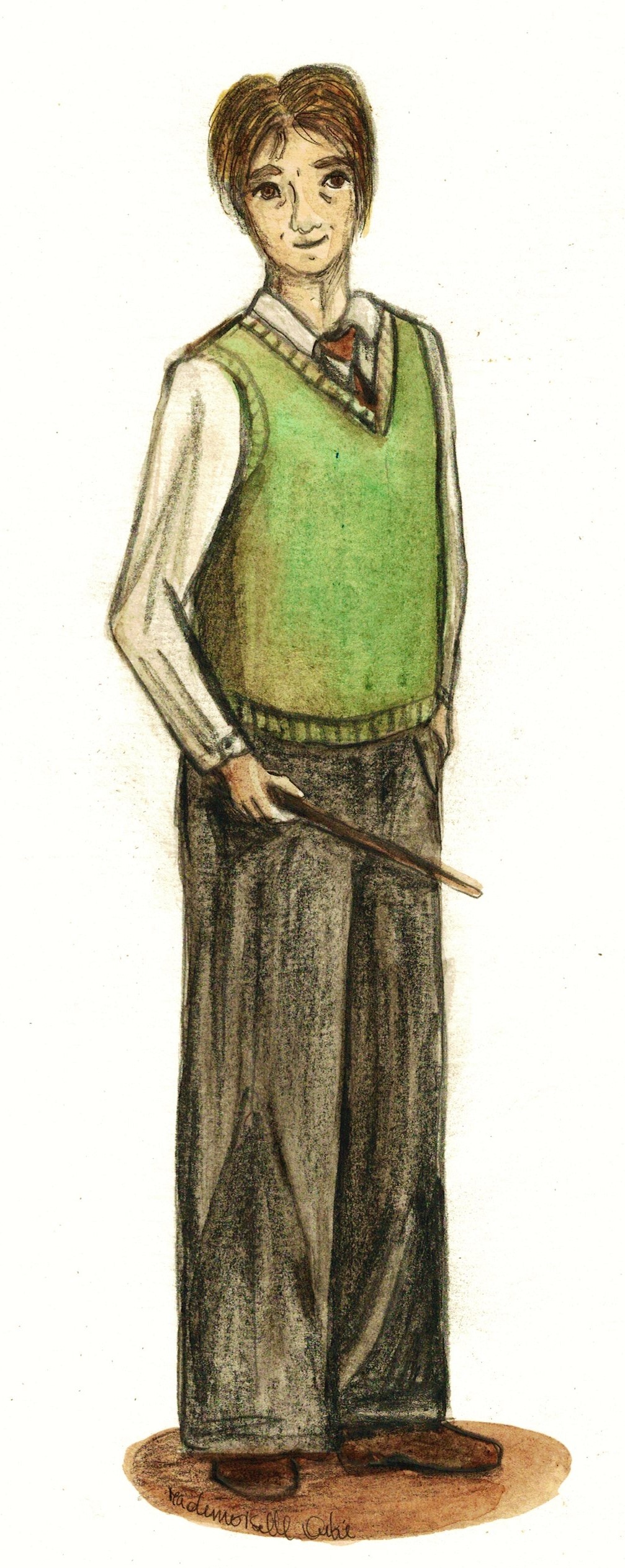

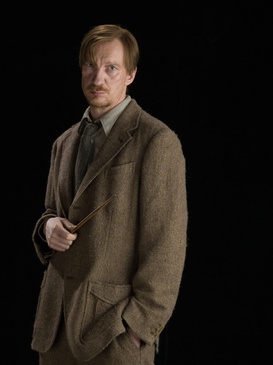
Overview and significance
Remus Lupin functions in the story as both mentor and tragic hero. He is compassionate and knowledgeable about magical theory and practice, yet his condition—becoming a werewolf each full moon—shapes his social opportunities and personal relationships. Readers often encounter him as a teacher at Hogwarts who offers practical, humane instruction, and as a soldier in the wizarding resistance against dark forces. His presence in the narrative raises questions about prejudice, rehabilitation and the limits of tolerance within the magical community.
Background, early life and the Marauders
Born to Lyall and Hope Lupin, Remus was attacked by the werewolf Fenrir Greyback as a child, an event that left him permanently afflicted with lycanthropy. Despite widespread stigma against werewolves, the headmaster Albus Dumbledore arranged for Lupin to attend Hogwarts School of Witchcraft and Wizardry. To accommodate his monthly transformations, a secret passage was concealed beneath a violent tree on the grounds leading to the Shrieking Shack in Hogsmeade, where he could be confined safely.
At school Lupin formed a close friendship with James Potter, Sirius Black, and Peter Pettigrew; the four became known as the Marauders. They learned the school’s layout well enough to produce a magical map that records occupants' movements. To protect and amuse Lupin on the full moon, his friends developed the rare skill of becoming Animagi so they could accompany and restrain him during transformations. This combination of affection, mischief and technical skill defines much of Lupin’s early life.
Roles, career and public challenges
As an adult Lupin served in both of the wizarding wars against Voldemort and was a member of the Order. He faced persistent discrimination that made steady employment difficult: many employers distrusted werewolves, and this social exclusion limited his income and access to resources such as the wolfsbane potion that could ease the full-moon transformations. Dumbledore later offered Lupin the Defence Against the Dark Arts post at Hogwarts, where he won the respect of students for his effective, empathetic teaching. He resigned the next year after a deliberate public disclosure of his condition by Professor Severus Snape, which undermined the trust and tolerance that had allowed him to teach.
Characteristics, abilities and restraints
- Temperament: thoughtful, patient and morally principled; often described as reserved and weary because of his life experiences.
- Skills: expert in defensive magic, knowledgeable about werewolf lore and survival strategies, proficient teacher.
- Condition: lycanthropy — Lupin becomes a werewolf on the full moon; he struggles with social stigma and practical dangers this entails (werewolf reference).
- Alliances: close ties to the Marauders, to Dumbledore, and active participation in the Order of the Phoenix.
Later life, family and legacy
In later events Lupin marries Nymphadora Tonks, herself a member of the resistance, and becomes a father. His final actions take place amid the series’ culminating conflict, where he continues to fight for the side opposing Voldemort. He and his wife die in the Battle of Hogwarts, leaving their child in the care of relatives and allies; their sacrifice is treated in the story as part of the larger human cost of the war. The character’s legacy in the series and among readers stems from the empathy he elicits and the way his life illustrates consequences of prejudice and the possibility of noble conduct despite hardship. The bond with his friends—the Marauders—and later mentorship of the next generation remain central to his role.
Portrayal and cultural impact
As a sympathetic, wounded figure, Lupin has been widely discussed in analyses of the series for how his storyline addresses social exclusion and the ethics of secrecy and disclosure. Fans and critics note the humane treatment of a character who is both gifted and marginalized. References to him appear in many companion works and online resources; for concise official entries see the character index and related materials at Remus Lupin and on series overview pages such as Harry Potter. The film portrayal by David Thewlis brought additional public recognition, while discussions of his marriage and offspring often point to the familial aftermath left in the care of Tonks’s relatives and godfather figures. Further reading and character commentary can be found through authorized companion texts and fan scholarship, with useful starting points indicated by general reference links and databases (wizard entries and thematic indexes). For material specifically about Tonks and their relationship see the profile of Nymphadora Tonks. Detailed information on lycanthropy as a condition in the magical world is catalogued under werewolf references and specialist entries.
Questions and answers
Q: Who wrote the Harry Potter book series?
A: J.K. Rowling wrote the Harry Potter book series.
Q: What happened to Remus Lupin when he was 4 years old?
A: When Remus Lupin was 4 years old, he was bitten by the foul werewolf Fenrir Greyback after his father insulted all werewolves.
Q: Why couldn't Remus go to Hogwarts School of Witchcraft and Wizardry?
A: Because he had become a fully fledged werewolf, Remus could not go to Hogwarts School of Witchcraft and Wizardry.
Q: What did Albus Dumbledore do so that Lupin could attend Hogwarts?
A: Albus Dumbledore built a tunnel for Lupin so that he could sneak out of school during times when he became a werewolf, and also built the Whomping Willow over it so nobody else would get in by mistake.
Q: Who were the Marauders?
A: The Marauders were four friends at Hogwarts who knew each other well - James Potter, Sirius Black, Peter Pettigrew and Remus Lupin - they often got up to mischievous antics together.
Q: How did Remus manage his lycanthropy while at Hogwarts?
A: While at Hogwarts, Remus managed his lycanthropy by sneaking out through the tunnel on full moons and locking himself in rooms so that he wouldn't hurt anyone else.
Q: Who raised Edward Remus Lupin after his parents died in battle?
A: After his parents died in battle, Edward Remus Lupin was left in the care of Tonks' mother Andromeda Tonks and godfather Harry Potter.
Related articles
Author
AlegsaOnline.com Remus Lupin — wizard, werewolf, and member of the Marauders Leandro Alegsa
URL: https://en.alegsaonline.com/art/82090