
Alan Rickman: English actor and theatre director (1946–2016)
Alan Rickman (1946–2016) was an English actor and theatre director noted for his work with the Royal Shakespeare Company, his distinctive voice, and memorable film roles from Die Hard to the Harry Potter series.
Alan Sidney Patrick Rickman (21 February 1946 – 14 January 2016) was an English actor and theatre director whose career spanned stage, television and film. He combined classical training with a magnetic screen presence, becoming widely known for playing both charismatic villains and quietly intense romantic leads. Rickman remained active on stage while also appearing in major motion pictures, creating a body of work admired by critics and audiences alike.
Image gallery
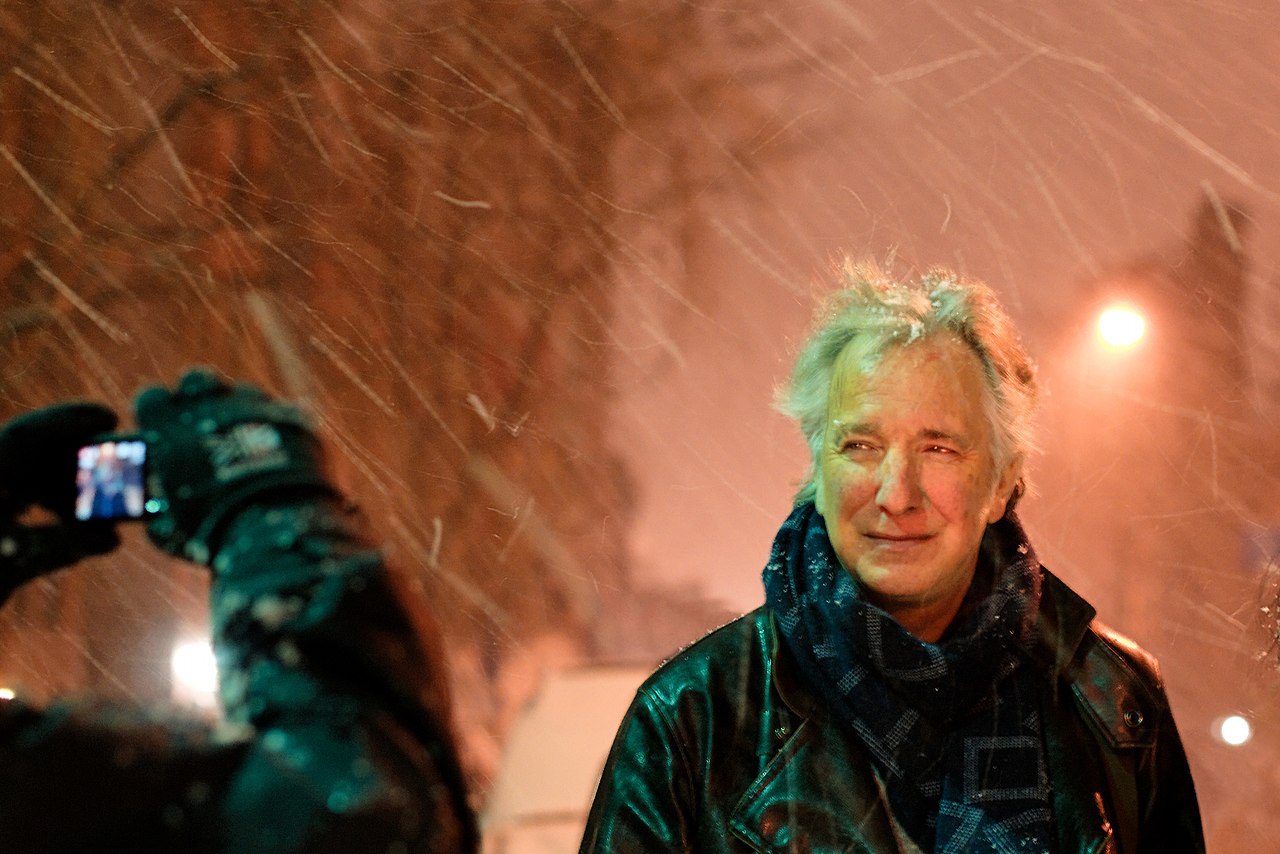
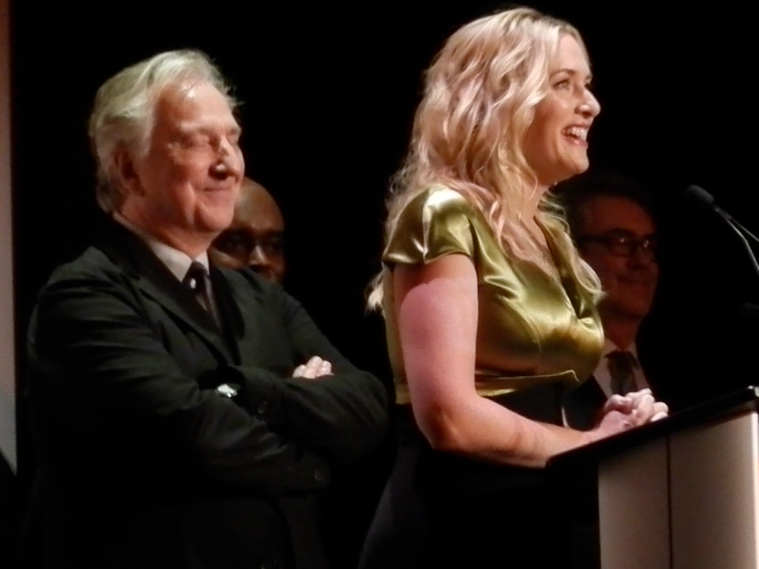
8 Images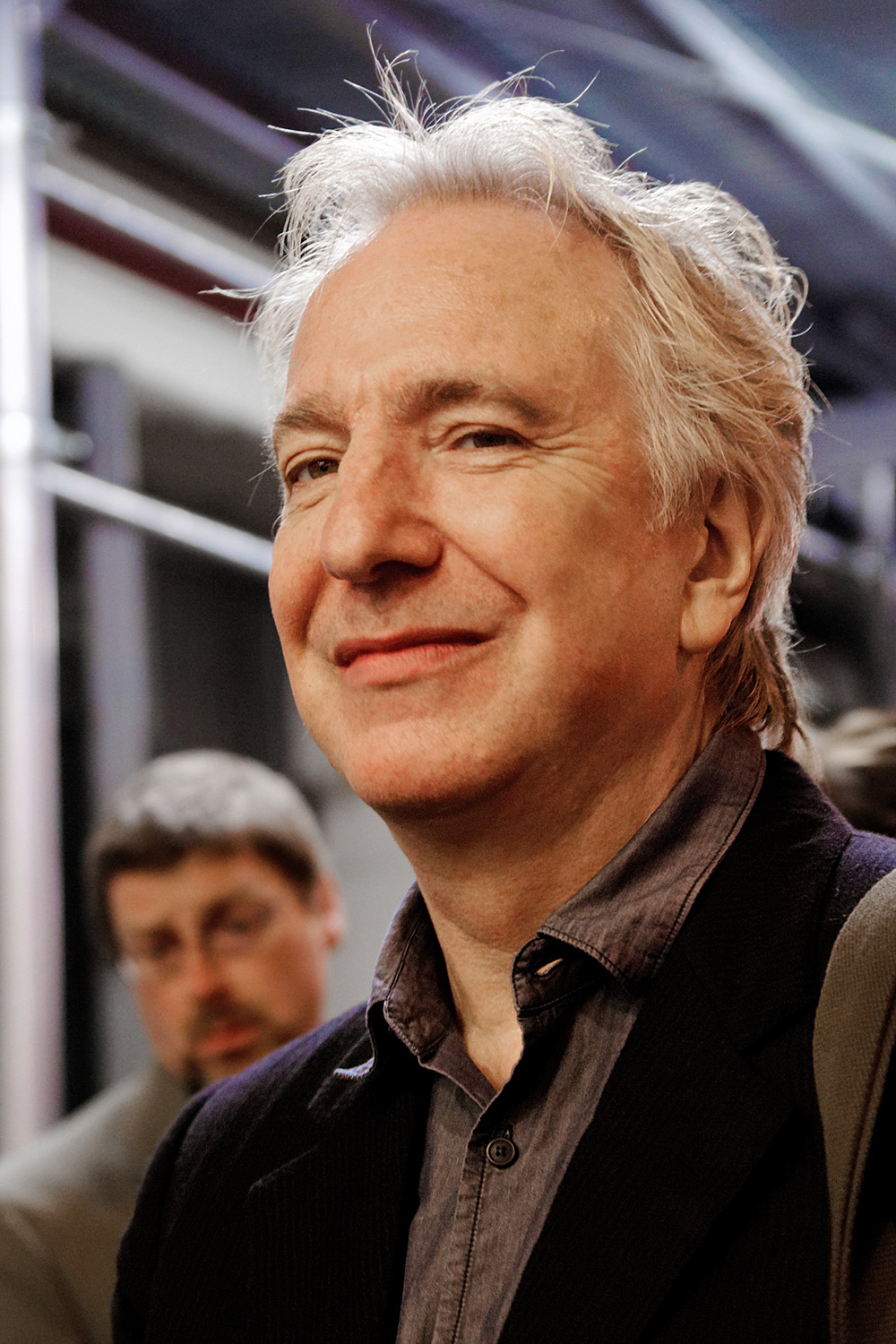




Career and artistic characteristics
Rickman trained and worked in repertory theatre before joining the Royal Shakespeare Company, and he remained associated with that tradition throughout his life. He was often praised for a velvety, resonant speaking voice, meticulous timing, and an ability to make brief gestures convey deep feeling. His acting style favored precision and understatement over broad gestures, allowing him to inhabit a wide range of characters across genres.
Major stages and screen breakthroughs
On stage Rickman performed in both modern and classical pieces, earning recognition for his theatrical versatility. His film breakthrough came in the late 1980s when he played an elegant, intelligent antagonist in a high-profile action picture. Over the next decades he balanced large franchises with intimate dramas, moving easily between blockbuster audiences and theatregoers.
Notable roles and examples
- As a charismatic villain in a landmark 1988 action film that reshaped the genre.
- As the complex, reserved schoolmaster whose narrative spans an eight-film fantasy series.
- Memorable supporting performances in literary adaptations and contemporary comedies and dramas.
These screen roles showcased Rickman's range—from razor-sharp antagonists to vulnerable, compassionate figures—earning him a distinctive place in late 20th- and early 21st-century cinema. See more about his stage pedigree with the Royal Shakespeare Company and his appearances in various films.
Directing, later work and legacy
In addition to acting, Rickman directed theatre productions and later moved into film direction, maintaining an interest in storytelling from both sides of the stage. He remained a private figure offscreen, admired for professional generosity and exacting standards. Rickman's death in 2016 after a short illness prompted widespread tributes; actors, directors and fans noted his influence on modern performance and his matchless vocal presence. Today he is remembered as an actor who brought intelligence, subtlety and dignity to roles both large and small.
Selected aspects: remarkable vocal tone, stage-to-screen versatility, memorable antagonists, sustained partnership with classical theatre companies, and a reputation for disciplined, intelligent craft that influenced a generation of performers.
Related articles
Author
AlegsaOnline.com Alan Rickman: English actor and theatre director (1946–2016) Leandro Alegsa
URL: https://en.alegsaonline.com/art/113511
Sources
- alan-rickman.com : "Profile: Alan Rickman"
- theguardian.com : "Alan Rickman, giant of British film and theatre, dies at 69"