
John Bodkin Adams
British general practitioner (1899–1983) who was investigated for numerous patient deaths, tried and acquitted for murder in 1957; his case prompted controversy over prosecution, medical ethics and coronial practice.
Overview
John Bodkin Adams (21 January 1899 – 4 July 1983) was a British general practitioner whose career became the centre of one of the most debated medico-legal controversies in mid-20th-century Britain. He practised in Eastbourne and developed a reputation for attending elderly and terminal patients. After a police investigation in the 1950s he was accused of causing the deaths of many patients; he was tried for one murder and acquitted. The case remains a subject of legal and historical discussion.
Image gallery
2 Images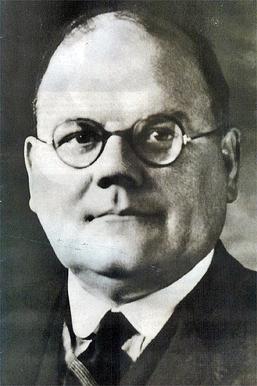

Career and practice
Adams trained and worked as a family doctor, building a private practice that served a predominantly elderly population. Colleagues and patients' families variously remembered him as attentive and eccentric; his medical care often included strong analgesics and sedatives, which were then prescribed within looser regulatory norms than today. He was active professionally through the 1940s and 1950s before becoming the focus of criminal investigation.
Investigation and trial
During the 1950s police inquiries examined a large number of deaths among Adams's patients. Authorities eventually charged him with the murder of one patient, Edith Alice Morrell, and he was tried at the Central Criminal Court in 1957. The jury returned a verdict of not guilty, and further murder charges were not pursued. The investigation and prosecution decisions generated intense public and professional scrutiny, especially over the handling of evidence and the selection of charges.
Controversies and legacy
The Adams case raised lasting questions about the distinction between palliative care and unlawful killing, the adequacy of coronial and prosecutorial procedures, and the ethical responsibilities of doctors prescribing powerful drugs to terminally ill patients. Historians, legal scholars and journalists have debated the number of suspicious deaths associated with him, the quality of police work, and whether the trial outcome reflected failure or correct application of reasonable doubt.
Significance and further reading
Beyond the immediate legal outcome, the affair influenced later practice in death certification, inquests and the oversight of general practitioners. It remains an important reference point in discussions of medical ethics and criminal law. For archived material and detailed study, consult police and court records and scholarly analyses.
Related articles
Author
AlegsaOnline.com John Bodkin Adams Leandro Alegsa
URL: https://en.alegsaonline.com/art/122361