
Sepp Dietrich (Josef Dietrich) — senior Waffen-SS commander
Josef “Sepp” Dietrich (1892–1966) was a close associate of Adolf Hitler and a senior Waffen-SS commander. He led elite SS units, received high decorations, and was later tried and convicted for war crimes.
Overview
Josef "Sepp" Dietrich (born May 28 1892) was a prominent German SS officer and one of Adolf Hitler's closest associates. He rose from early party and paramilitary roles to command some of the Waffen-SS's best known formations. Dietrich was awarded Germany's highest wartime honors, including the Knight's Cross with Oak Leaves, Swords and Diamonds, and after 1945 he was prosecuted for war crimes. He died on April 21, 1966 in Ludwigsburg, Baden-Württemberg, West Germany.
Image gallery
5 Images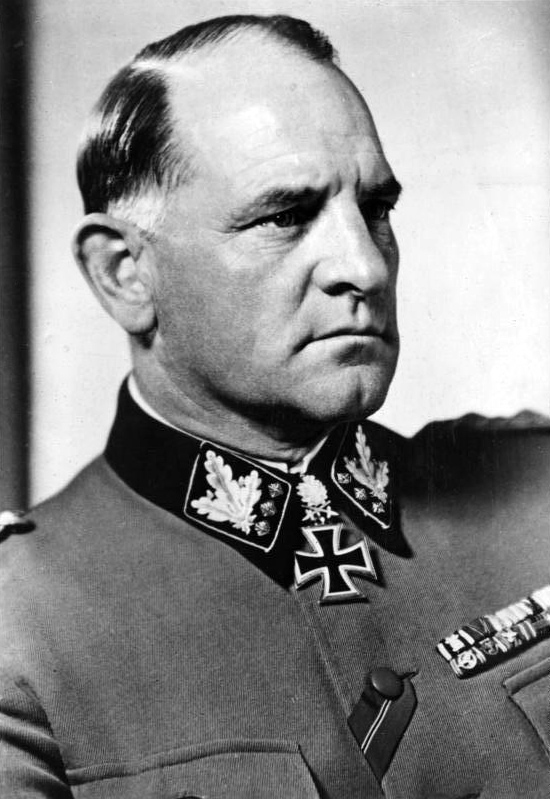
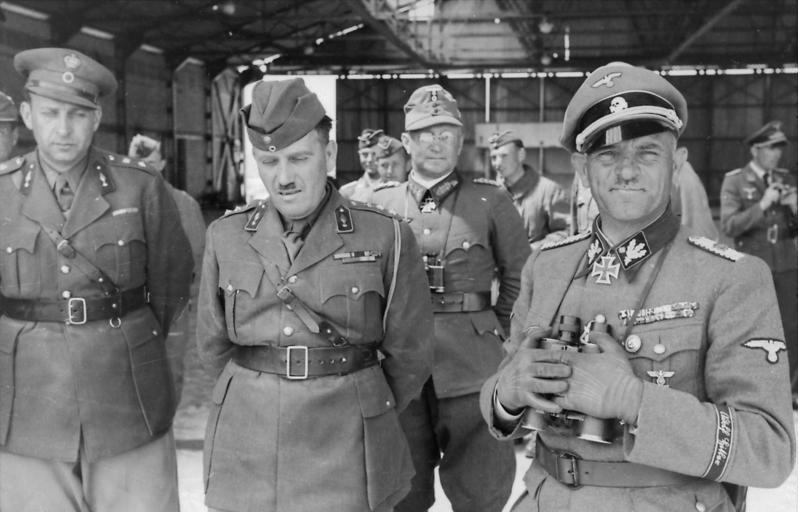


Early life and ascent
Dietrich served in World War I and joined the early Nazi movement in Bavaria, becoming part of Hitler's personal retinue and the small circle that provided security and close protection. Over time he became commander of the Leibstandarte SS Adolf Hitler, the unit originally formed as Hitler's bodyguard and later expanded into an elite combat formation within the Waffen-SS. His loyalty to Hitler and willingness to take political and military responsibility helped him advance to high SS rank.
Military roles and honors
During World War II Dietrich held several senior commands and led SS forces on both Eastern and Western fronts. He was celebrated by the regime for battlefield leadership and for this received some of the Nazi state's highest military decorations, including the rare Knight's Cross with Oak Leaves, Swords and Diamonds, making him one of a small number so honored.
Actions, prosecutions and convictions
Units under Dietrich's command were implicated in atrocities and violations of the laws of war, allegations that became the basis for postwar prosecutions. After 1945 Dietrich, like many senior SS figures, faced tribunals for war crimes. He was tried and convicted in Allied and later German proceedings related to actions by SS formations, and he spent time in prison before being released in the 1950s. These legal judgments remain central to assessments of his wartime role.
Legacy and controversies
Sepp Dietrich is remembered both for his proximity to Hitler and for his leadership of some of the Waffen-SS's most prominent units. Historians treat him as a figure who combined personal loyalty, political prominence and battlefield command, while also bearing responsibility for the criminal conduct of forces under his control. His career illustrates how the SS fused political power and military command in Nazi Germany and why its leaders were held accountable after the war.
Further notes
- Personal and biographical records often cite his early service and close relationship with Hitler; see contemporary documentation for specifics (primary sources).
- Legal and historical studies detail the trials and convictions of SS leaders, including Dietrich (postwar trials, denazification records).
Related articles
Author
AlegsaOnline.com Sepp Dietrich (Josef Dietrich) — senior Waffen-SS commander Leandro Alegsa
URL: https://en.alegsaonline.com/art/88906