
Sergei Diaghilev: impresario of the Ballets Russes and patron of modern art
Concise encyclopedia entry on Sergei Diaghilev (1872–1929), founder of the Ballets Russes, his collaborations with composers and artists, managerial methods, influence on 20th‑century dance and visual culture, and legacy.
Overview
Sergei Pavlovich Diaghilev (31 March 1872 – 19 August 1929) was a Russian art critic, collector, patron and ballet impresario whose work had a formative effect on dance, music and visual culture in the early twentieth century. He is best known for founding and directing the Ballets Russes, an itinerant company created in 1909 that presented newly commissioned ballets combining modern music, bold choreography and innovative stage design. Diaghilev promoted an integrated theatrical ideal that brought together leading figures from several arts and introduced wider European audiences to new Russian creativity.
Image gallery
7 Images


Early life and career
Born in the Russian Empire, Diaghilev first gained prominence as an organiser of exhibitions and concerts and as a writer on art. His early work as an art critic and curator built relationships with painters, set designers and musicians and provided the professional and social networks he later mobilised for the Ballets Russes. He curated exhibitions that travelled to Western Europe and organised concerts that showcased contemporary Russian composers, establishing him as a cultural intermediary between Russia and the Parisian avant garde (biographical background, art criticism, early writings).
Founding the Ballets Russes
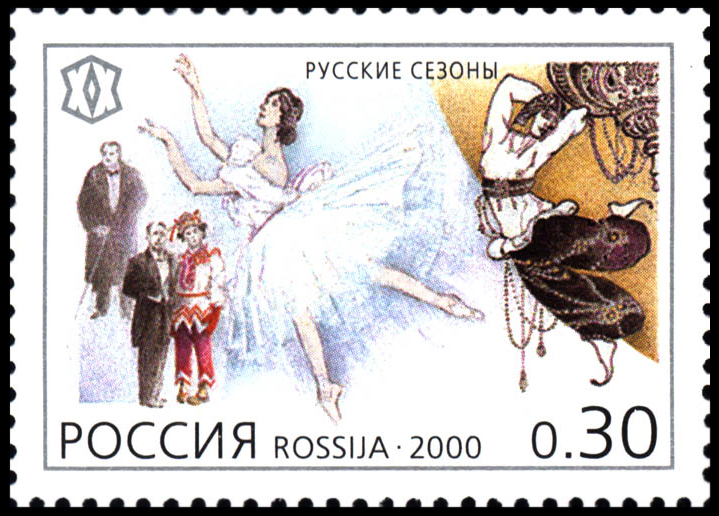
Diaghilev presented the first Paris season of the Ballets Russes in 1909. Rather than relying on established repertoire, he commissioned new works and assembled teams of composers, choreographers, dancers and visual artists. His model emphasised close collaboration across disciplines and a high standard of production values. The Ballets Russes became famous for its premieres and for the striking involvement of recognised modern artists in set and costume design (Ballets Russes, Paris seasons).
Collaborators and repertory
Diaghilev worked with composers, choreographers and designers who are now central to modernist histories. His musical collaborators included Igor Stravinsky and other leading composers of the period; important premieres such as The Firebird, Petrushka and The Rite of Spring were commissioned under his direction and altered the course of twentieth‑century music (Stravinsky, composers, musical collaborations).
Choreographers and dancers associated with his company included Michel Fokine, Bronislava Nijinska, Léonide Massine, George Balanchine, Vaslav Nijinsky and many principal performers who achieved international fame. These artists expanded ballet vocabulary and theatrical expression, often drawing on folk, exotic and symbolist motifs in movement and staging (choreography overview, principal dancers).
Visual artists and designers were a distinctive feature of Diaghilev’s productions. Painters such as Pablo Picasso, Henri Matisse, Léon Bakst, Alexander Benois and Georges Braque provided sets and costumes that transformed the visual language of the stage and influenced fashion and visual design beyond theatre audiences (visual artists).
Artistic approach and public reception
Diaghilev’s aesthetic aimed at an integrated, total theatre where music, movement and design operated as a cohesive whole. This approach sometimes provoked controversy—most famously at the first performance of The Rite of Spring, which elicited hostile reactions as well as acclaim—but controversy also generated intense public interest and debate about the nature of modern art. Critics and audiences in Paris and elsewhere responded to the company’s daring programmes with a mix of admiration and consternation.
Management and finances
As an impresario Diaghilev displayed a remarkable ability to spot and recruit talent and to secure patrons and favourable engagements. At the same time, the company’s ambitious scale, lavish costumes and extensive touring placed constant strain on finances. Production costs were high and the Ballets Russes frequently required subsidies, loans or the support of wealthy backers to sustain new commissions and foreign tours. Financial instability remained a persistent challenge throughout the company’s existence.
Legacy and influence
The original Ballets Russes dissolved after Diaghilev’s death, but the methods, repertory and networks he established had long‑lasting consequences. Former company members formed new troupes, taught in conservatories and spread stylistic and choreographic ideas internationally. Diaghilev’s insistence on contemporary music and collaboration with modern artists helped legitimize interdisciplinary practice in stage arts and left a durable imprint on twentieth‑century theatre, dance and visual culture (dance influence).
Personal life and final years
Diaghilev’s private life was largely lived in the artistic circles he cultivated and he had relationships with men of his social milieu. In the late 1920s his health deteriorated; he suffered from complications related to diabetes and died in 1929. His death precipitated the end of the original company, but his artistic vision has continued to attract scholarly study and public reappraisal (health and death).
Further resources
- Studies of Diaghilev as impresario and catalogues of Ballets Russes seasons.
- Overview of the Ballets Russes and its historical seasons.
- Accounts of the Paris seasons and contemporary reviews.
- Analyses of musical collaborations and key premieres.
- Biographical resources on composers associated with the company.
- Collections on Stravinsky’s works and their premieres with the Ballets Russes.
- Documentation on principal dancers and performance photographs.
- Archives on visual artists who designed for the stage.
- Biographical repositories with letters and early materials.
- Writings on art and criticism that situate Diaghilev’s aesthetic.
- Selections of Diaghilev’s early texts and contemporary commentary.
- Scholarship on choreography connected to the company’s repertory.
- Further archival guides and exhibition catalogues.
- Medical and biographical notes concerning his final illness.
Diaghilev’s achievement is often described not only in terms of individual productions but as a sustained cultural project that reshaped expectations for theatrical production. His career illustrates how entrepreneurial initiative and artistic ambition can combine to produce lasting change in performing arts and visual culture.
Questions and answers
Q: Who was Sergei Pavlovich Diaghilev?
A: Sergei Pavlovich Diaghilev was a Russian art critic, patron and ballet impresario who formed the famous Les Ballets Russes de Serge Diaghilev.
Q: What is the significance of Les Ballets Russes de Serge Diaghilev?
A: Les Ballets Russes de Serge Diaghilev was an incredibly influential ballet company that sparked an international ballet boom before World War I. It was renowned for its revolutionary ballets and electrifying artists, and many of its ideas influenced art, music and dance.
Q: Who were some of the legendary dancers in Les Ballets Russes de Serge Diaghilev?
A: Some of the legendary dancers in Les Ballets Russes de Serge Diaghilev included Nijinsky, Karsavina, Pavlova, Danilova and Spessivtseva.
Q: Who were some of the choreographers involved with Les Ballet Russes de Serge Diaghilev?
A: The choreographers involved with Les Ballet Russes de Serge Diaghilev included Fokine, Nijinska, Massine and Balanchine.
Q: What other types of artists worked on productions for Les Ballet Russes de Serge Diaghilev?
A: In addition to dancers and choreographers, composers such as Igor Stravinsky composed music for productions while painters like Picasso designed sets. Other notable figures who worked on productions included set designers Cezanne Matisse Utrillo Bakst Braque; Cocteau worked as an artist and wrote scenarios.
Q: How did Sergei Pavlovich Dieghalev fund his productions?
A:Diaghlev persuaded patrons to support his ballets which had enormous production costs that were not always covered by ticket prices.
Q:What happened to the company after Sergei's death?
A: After his death in 1929 due to diabetes ,the company folded but many members continued working together in new companies
Related articles
Author
AlegsaOnline.com Sergei Diaghilev: impresario of the Ballets Russes and patron of modern art Leandro Alegsa
URL: https://en.alegsaonline.com/art/89008
Sources
- guardian.co.uk : First lord of the dance