
Senate (Netherlands) — Eerste Kamer
The Eerste Kamer (Senate) is the 75-member upper house of the Dutch States General. Elected indirectly by provincial and Caribbean electoral colleges, it reviews and approves legislation on a four-year cycle.
The Senate of the Netherlands, known in Dutch as the Eerste Kamer or sometimes Senaat, is the upper chamber of the bicameral legislature, the States General. The body has 75 members and sits as a revising and scrutinising assembly rather than as a primary initiator of legislation.

Image gallery
7 Images
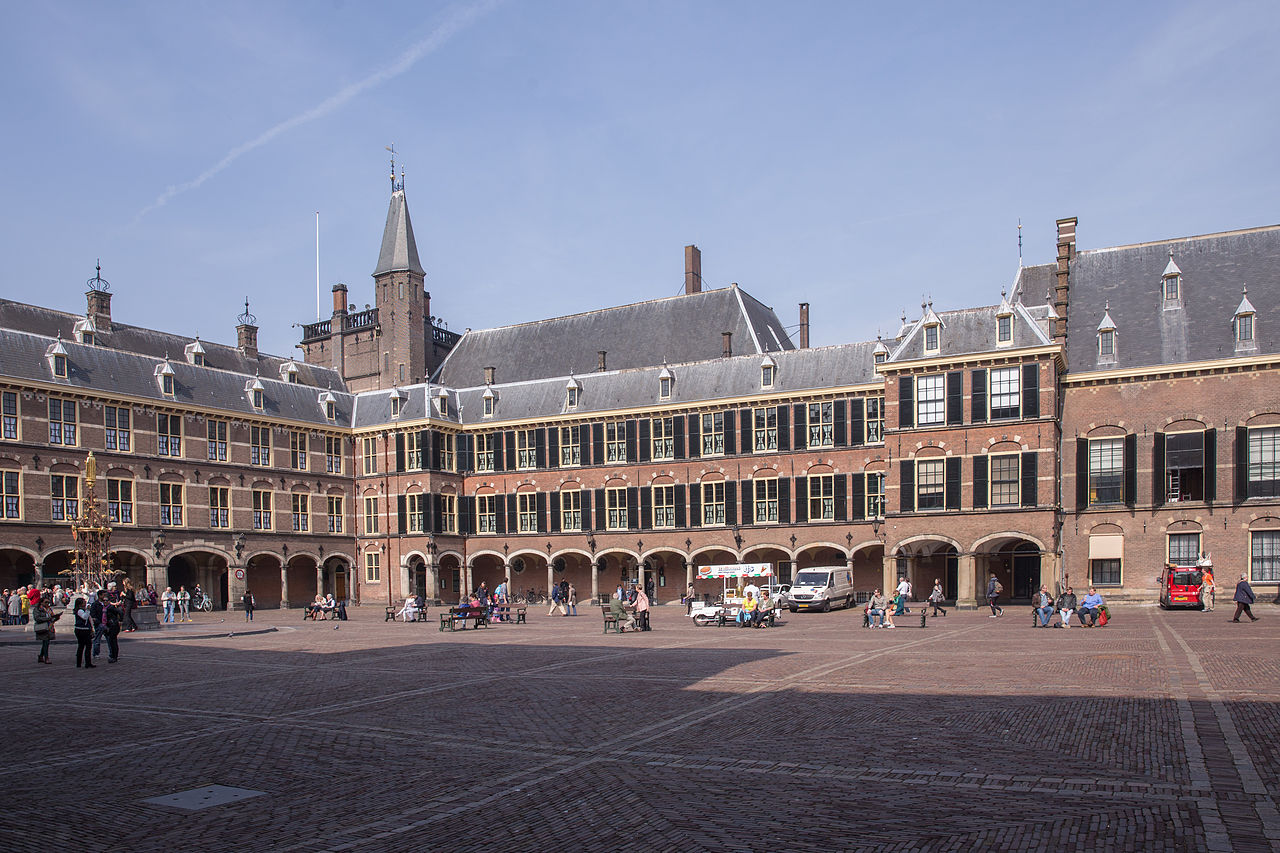


Composition and election
Senators serve four-year terms and are chosen indirectly: members of the twelve provincial parliaments elect the majority of the chamber, and representatives from the special Caribbean electoral colleges participate in the process for the islands in the Caribbean Netherlands. The system of election uses proportional representation with votes weighted according to the population each elector represents, producing a chamber that reflects provincial party strengths rather than direct popular voting.
Powers and role
The Eerste Kamer functions chiefly as a chamber of reflection. It examines bills passed by the House of Representatives and may approve or reject them but does not amend texts. Its review focuses on legal quality, constitutional conformity, and practicability of proposed laws. In practice this gives the Senate a final quality-control role in the Dutch legislative process.
Organization and procedures
- Members usually meet on a part-time basis and often have other professional roles.
- The chamber organises its work in committees that study subject areas before plenary debate.
- The Senate is presided over by a president elected from among its members and follows formal rules for debate and voting.
History and development
The modern Eerste Kamer dates from the establishment of a bicameral parliament in the Netherlands during the 19th century and has evolved into an oversight-focused body. Its indirect election and composition link it closely to regional politics: changes in provincial elections typically lead to a change in the Senate within three months, on a four-year cycle.
Importance and distinctions
Compared with the lower house, the Senate has fewer members and does not initiate budgetary or most policy legislation. Its power to reject bills gives it a significant constitutional role: by exercising restraint and technical scrutiny it helps ensure laws are workable and consistent with higher norms. For more detail on its place within the Dutch political system see general references to the legislature of the Netherlands and the concept of an upper house.
Related articles
Author
AlegsaOnline.com Senate (Netherlands) — Eerste Kamer Leandro Alegsa
URL: https://en.alegsaonline.com/art/88801
Sources
- kiesraad.nl : "Dag van stemming (27 mei 2019)"