
Seven Cities of Gold: legend, exploration, and legacy
A concise, balanced overview of the Seven Cities of Gold legend: its origins in early colonial reports, the expeditions it inspired, and its cultural and historical consequences.
Overview
The Seven Cities of Gold is a long-standing set of legends told in the early decades of European contact with the Americas. In their most familiar form the stories promised richly furnished cities—often seven in number—filled with precious metals and other wealth. European explorers in the 16th century pursued these accounts with the hope of quick riches, and the tales became entwined with reports of places called Cíbola and Quivira. For a concise introduction to the tradition see early accounts of the legend.
Image gallery
2 Images
Origins and development
The legend emerged from a mixture of sources. Some elements derived from indigenous oral reports, others from the imaginations and miscommunications of castaways, guides, and interpreters encountered during the Spanish expansion. African, Moorish and Iberian medieval motifs about ‘‘lost cities’’ and islands may also have contributed to a larger European appetite for remote, mythical realms. Stories circulated during the period of the Spanish conquest and were amplified as explorers and chroniclers repeated them.
Historical expeditions and outcomes
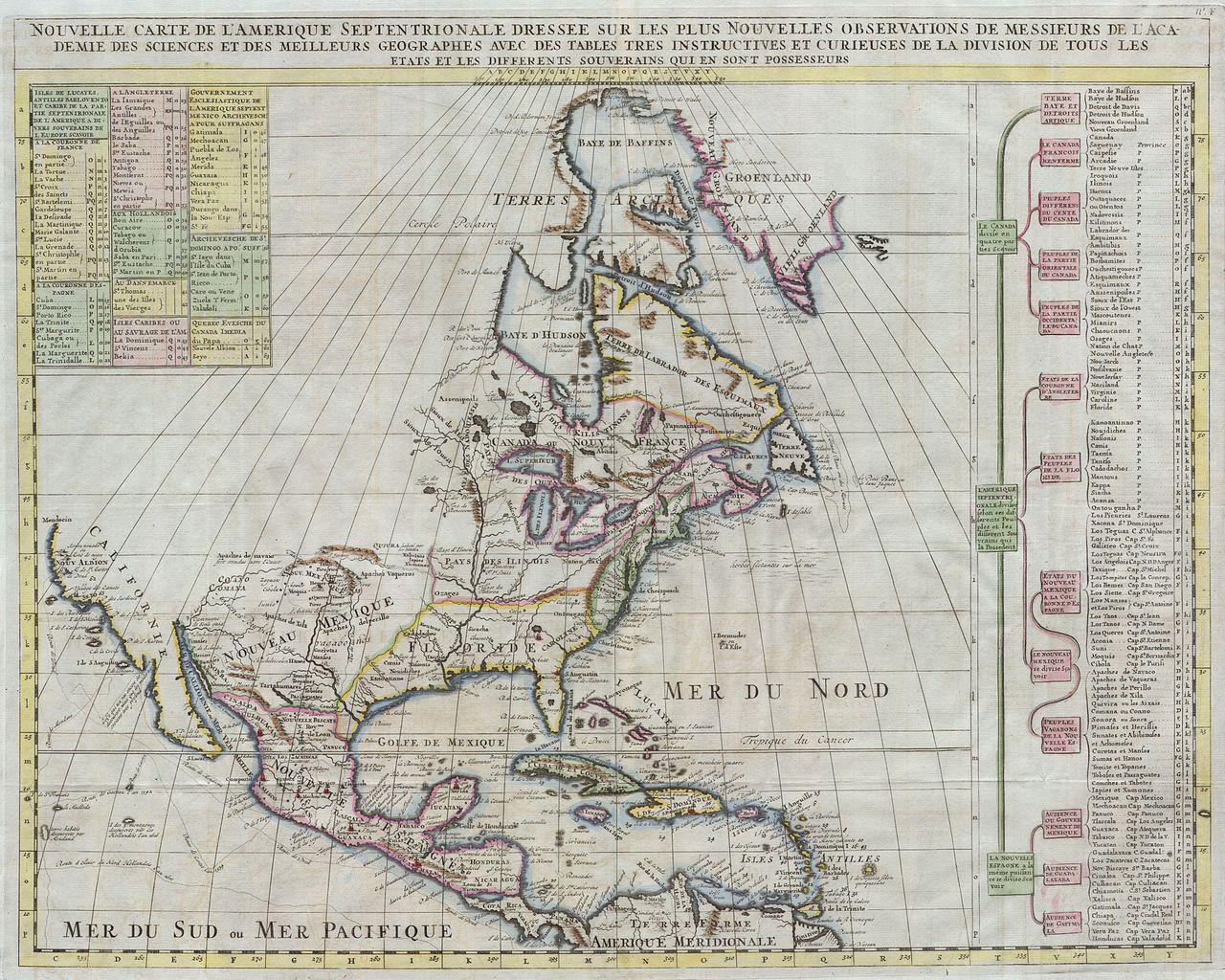
Several notable expeditions were launched in response to these tales. Francisco Vázquez de Coronado’s 1540–1542 campaign into what is now the U.S. Southwest sought Cíbola and other famed cities; the party encountered large pueblos such as those of the Zuni but found no golden metropolises. Reports of Quivira sent coronado eastward onto the plains where he met communities of the Great Plains peoples rather than yielding visible mineral wealth. These ventures altered maps and spurred further exploration of interior North America; a related context is discussed in sources on early colonial voyages at period navigation and reports.
Characteristics and common motifs
Descriptions of the cities varied but tended to emphasize abundant gold, ornate houses, and multiple fortified settlements. The number seven appears repeatedly, a symbolic quantity in many traditions. Over time the Seven Cities became conflated in popular imagination with other treasure myths such as El Dorado, though they represent distinct strands of rumor and ambition. For comparative details see discussions of myth and place in exploration literature at comparative studies.
Legacy and cultural importance
Although the promised treasure was never found, the legends had significant consequences. They helped justify and finance further expeditions, increased contact—often violent—with indigenous peoples, and contributed to European mapmaking and colonial settlement patterns. The stories also entered literature, folklore, and later popular media, where the idea of hidden golden cities continues to fascinate. Modern historical and archaeological work has reframed many of the claims made by early chroniclers; for reflections on modern interpretations see recent analyses.
Today the Seven Cities of Gold are best approached as a window into the hopes, misunderstandings, and consequences of early colonial encounters: a mixture of myth, selective reporting, and real exploration that reshaped the Americas in ways that persist in scholarship and public imagination.
Related articles
Author
AlegsaOnline.com Seven Cities of Gold: legend, exploration, and legacy Leandro Alegsa
URL: https://en.alegsaonline.com/art/89193