
Shapeshifting: transformation in myth, folklore, and fiction
Shapeshifting is the motif of beings changing form found in myths, folklore and modern fiction. This article explains types, cultural examples, differences from biological change, and its narrative roles.
Overview
Shapeshifting describes the ability of a person or creature to change appearance, body, species, or material form. In stories and belief systems it is typically a supernatural power, but the idea also appears metaphorically in literature and social commentary. Accounts vary widely: transformations can be brief or permanent, voluntary or forced, and may involve changes between human, animal, elemental, or inanimate states.
Image gallery
10 Images





Forms and common characteristics
Shapeshifting traditions share a number of recurring features. Some narratives treat change as a skill or gift, others as a curse. Transformations are often used to explore identity, deception, or moral consequence. Typical distinctions include:
- Temporary versus permanent change: a disguise or a total, irreversible alteration.
- Human-to-animal (theriomorphism) versus animal-to-human (e.g., selkie legends).
- Partial changes (growing claws, altering voice) versus full bodily metamorphosis.
Historical and cultural examples
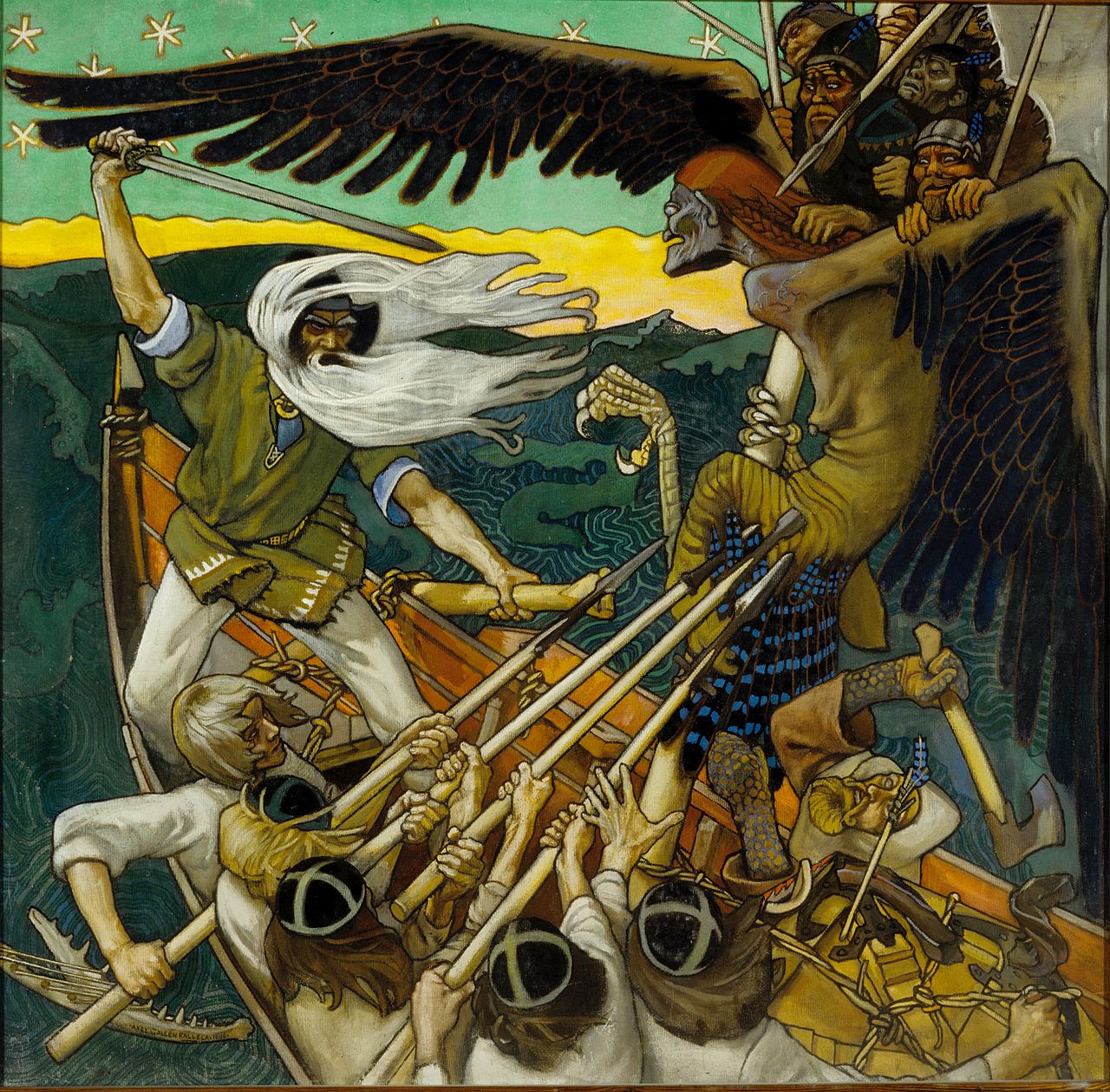
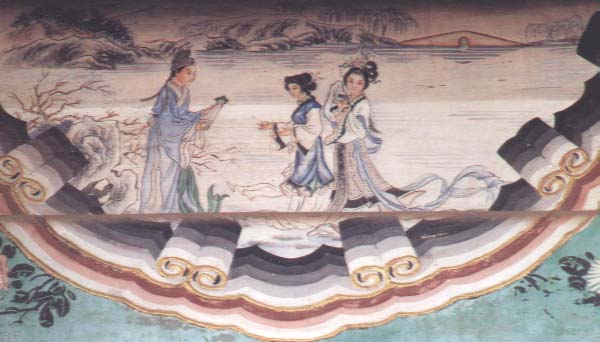
Stories of transformation are widespread across cultures. Classical literature contains many episodes of gods and mortals taking new shapes, and later folkloric cycles developed distinct local forms such as werewolves, witches who assume animal shapes, and sea-people who shed skins. Classical references and epic narratives treat the theme differently in each tradition; for an overview of ancient examples see classical sources and commentaries. Norse, Celtic, African and Indigenous American traditions each have their own shapeshifter figures and moral frameworks.
Mechanisms, symbolism, and distinctions
In myth and fiction the mechanism behind a metamorphosis may be magic, divine will, a craft or potion, or a binding curse. It is important to distinguish supernatural shapeshifting from biological metamorphosis (for example, insect pupation), which is a natural developmental process rather than a deliberate change of identity. Symbolically, transformation often represents liminality, rites of passage, or the instability of identity.
Uses in literature, media, and culture
Writers and artists use shapeshifting to advance plots, create conflict, or dramatize themes of otherness and adaptation. It appears in children's books, folktales, modern fantasy, comics, films, and game design; for examples and discussion in children's storytelling see collections of juvenile tales and criticism at children's literature resources. In contemporary media, visual effects and CGI have expanded how transformations are depicted on screen.
Notable considerations
Shapeshifting functions as a versatile motif: it can convey danger and trickery, provide a means of escape or renewal, and serve as a metaphor for psychological change. Scholars study it for insights into cultural values about the body, boundaries between species, and the narrative handling of identity. Whether treated as literal belief or symbolic device, shapeshifting remains a persistent and adaptable element of human storytelling.
Related articles
Author
AlegsaOnline.com Shapeshifting: transformation in myth, folklore, and fiction Leandro Alegsa
URL: https://en.alegsaonline.com/art/89485
Sources
- csicop.org : Treatise on Invisible Beings
- encyclopedia.com : Creatures of the Night
- englishare.net : Peleus and Thetis