
Seligenstadt, Hesse, Germany
Seligenstadt is a historic town on the Main River in the Offenbach district of Hesse, Germany, known for its medieval centre, the Einhard Basilica, timber-framed architecture and regional cultural life.
Seligenstadt is a small historic town located on the banks of the Main River in the Offenbach district of the state of Hesse and the country of Germany. It is part of the Rhine-Main metropolitan area and combines a preserved medieval centre with modern local services. The town is a regional destination for visitors interested in architecture, history and river landscapes.
Image gallery
10 Images



History and heritage
The settlement grew around a Benedictine foundation established in the early ninth century by Einhard, the Frankish scholar associated with Charlemagne. The monastery and its church — often referred to as the Einhard Basilica — became focal points for worship and pilgrimage. Over centuries the town developed a market square, defensive features and a compact street plan that survives in its historic core.
Characteristics and notable sites
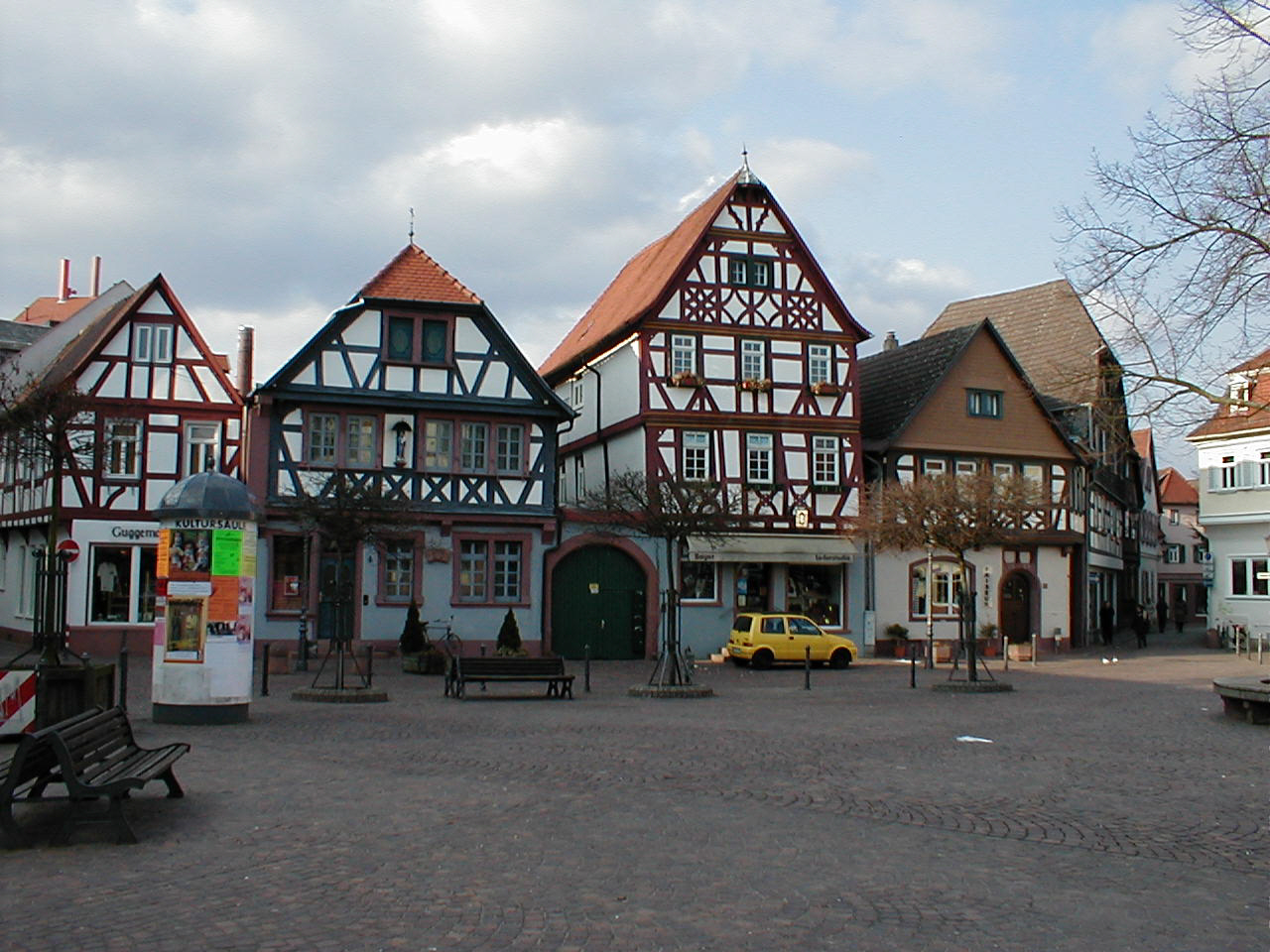
Seligenstadt is widely admired for its well-preserved timber-framed houses, narrow lanes and the basilica’s Romanesque and later architectural elements. Key places of interest include:
- the Einhard Basilica and former monastic complex;
- a historic market square lined with merchants’ houses;
- the riverside promenades and small harbour areas along the Main.
Culture, events and tourism
The town hosts seasonal markets, cultural events and attracts day-trippers from the surrounding region. Its compact centre is suitable for walking tours, local museums and festivals that celebrate traditional crafts and foods. Boat trips on the Main and cycle routes through the Rhine-Main countryside add recreational appeal.
Administration and economy
Administratively Seligenstadt belongs to the Offenbach Rural District and participates in regional planning within the greater Frankfurt area. The local economy rests on a mix of tourism, small businesses, services and commuters who work in nearby urban centres. Preservation of historic buildings is a continuing priority for municipal planning.
Distinctive facts
Though modest in size, Seligenstadt is notable for its continuity from the early Middle Ages into the present day and for the combination of river setting and conserved medieval streetscape. Its basilica and market square make it a representative example of small-town cultural heritage in central Germany.
Related articles
Author
AlegsaOnline.com Seligenstadt, Hesse, Germany Leandro Alegsa
URL: https://en.alegsaonline.com/art/88691
Sources
- destatis.de : "Alle politisch selbständigen Gemeinden mit ausgewählten Merkmalen am 31.12.2018 (4. Quartal)" · web.archive.org
- statistik.hessen.de : "Bevölkerung der hessischen Gemeinden"
- seligenstadt.de : Homepage of the City of Seligenstadt
- statistik-hessen.de : Official statistiks of the state of Hesse