
Selma, California
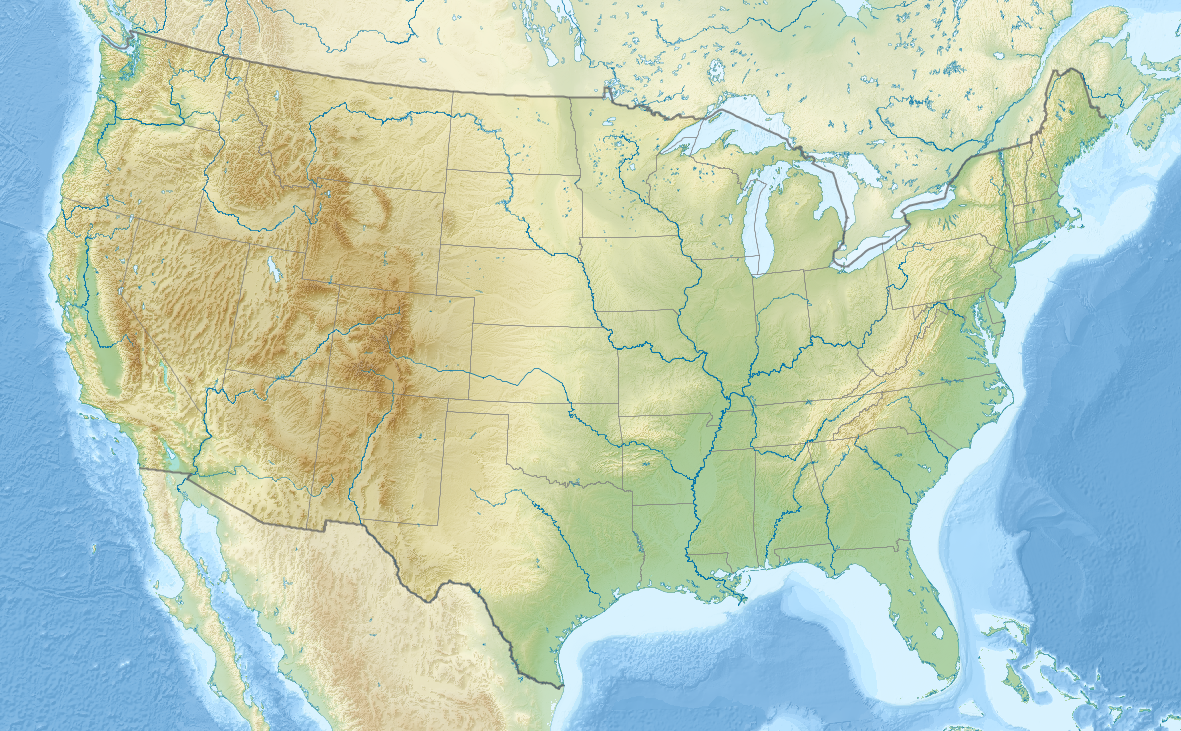
Selma is a small agricultural city in Fresno County, California, southeast of Fresno. It is known for its farm economy, diverse population, and Central Valley location.
Overview
Selma is a city in Fresno County, in the agricultural heart of the San Joaquin Valley in California. It lies southeast of the regional hub of Fresno and serves as a local center for farming, processing and services that support surrounding rural communities.
Image gallery
4 Images

Location and characteristics
Located on relatively flat valley floor, Selma has easy road connections to nearby towns and to statewide highways. The climate is typical of California's Central Valley: hot, dry summers and mild winters. The city's built environment combines residential neighborhoods, small commercial corridors and agricultural facilities such as packing houses and cold storage.
History and development
Selma grew in the late 19th and early 20th centuries along transportation routes that served expanding farms. As agriculture in the region modernized, the town's economy shifted to include food processing and logistics in addition to field production. Historic buildings and civic institutions reflect Selma's evolution from a rural stop to an incorporated municipality.
Demographics and community
Selma is a small city with a population recorded in the tens of thousands at the start of the 21st century. The community is ethnically diverse, with large Hispanic/Latino representation alongside other groups. Local schools, churches and civic organizations play central roles in social life.
Economy and uses
Agriculture underpins Selma's economy: orchard crops, table grapes and other fruits are commonly grown nearby, and associated businesses—packing, storage and transportation—provide many jobs. Small retail, construction and public-sector employment round out the local labor market.
Notable facts and distinctions
- Selma functions as a service center for surrounding farms and smaller communities.
- Its Central Valley location means agriculture strongly influences local culture and economy.
- Visitors and researchers often study Selma as an example of a small Californian agricultural city adapting to economic and demographic change.
For more detailed municipal information, local history and public services, consult city resources and regional planning documents maintained by county and state agencies.
Related articles
Author
AlegsaOnline.com Selma, California Leandro Alegsa
URL: https://en.alegsaonline.com/art/88708
Sources
- calafco.org : "California Cities by Incorporation Date" · web.archive.org
- cityofselma.com : "City Council"
- senate.ca.gov : "Senators"
- assembly.ca.gov : "Members Assembly"
- govtrack.us : "California's 21st Congressional District - Representatives & District Map"
- www2.census.gov : "2016 U.S. Gazetteer Files"
- geonames.usgs.gov : "Selma"
- census.gov : "Population and Housing Unit Estimates"