
Selkirk, Manitoba
Selkirk is a city in Manitoba north of Winnipeg on the Red River, named for the 5th Earl of Selkirk. A regional centre for industry, recreation and river fishing; population 10,278 (2016).
Overview
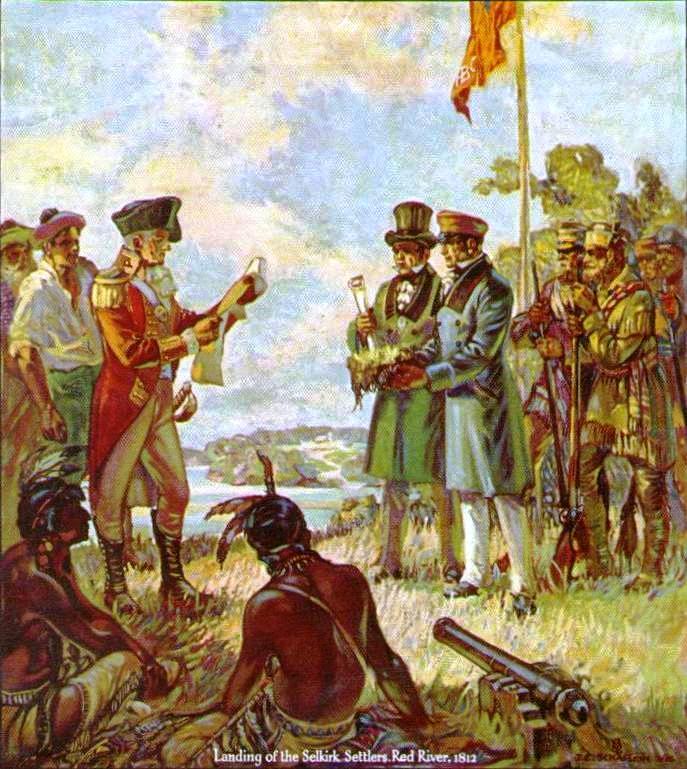
Selkirk is a community in the Canadian province of Manitoba, located along the Red River to the north of Winnipeg. The settlement bears the name of Thomas Douglas, 5th Earl of Selkirk, who was associated with early colonization efforts in the Red River valley. At the 2016 census the population was 10,278. For local information see the municipal site: Selkirk, and for its relation to the provincial capital see Winnipeg.
Image gallery
10 Images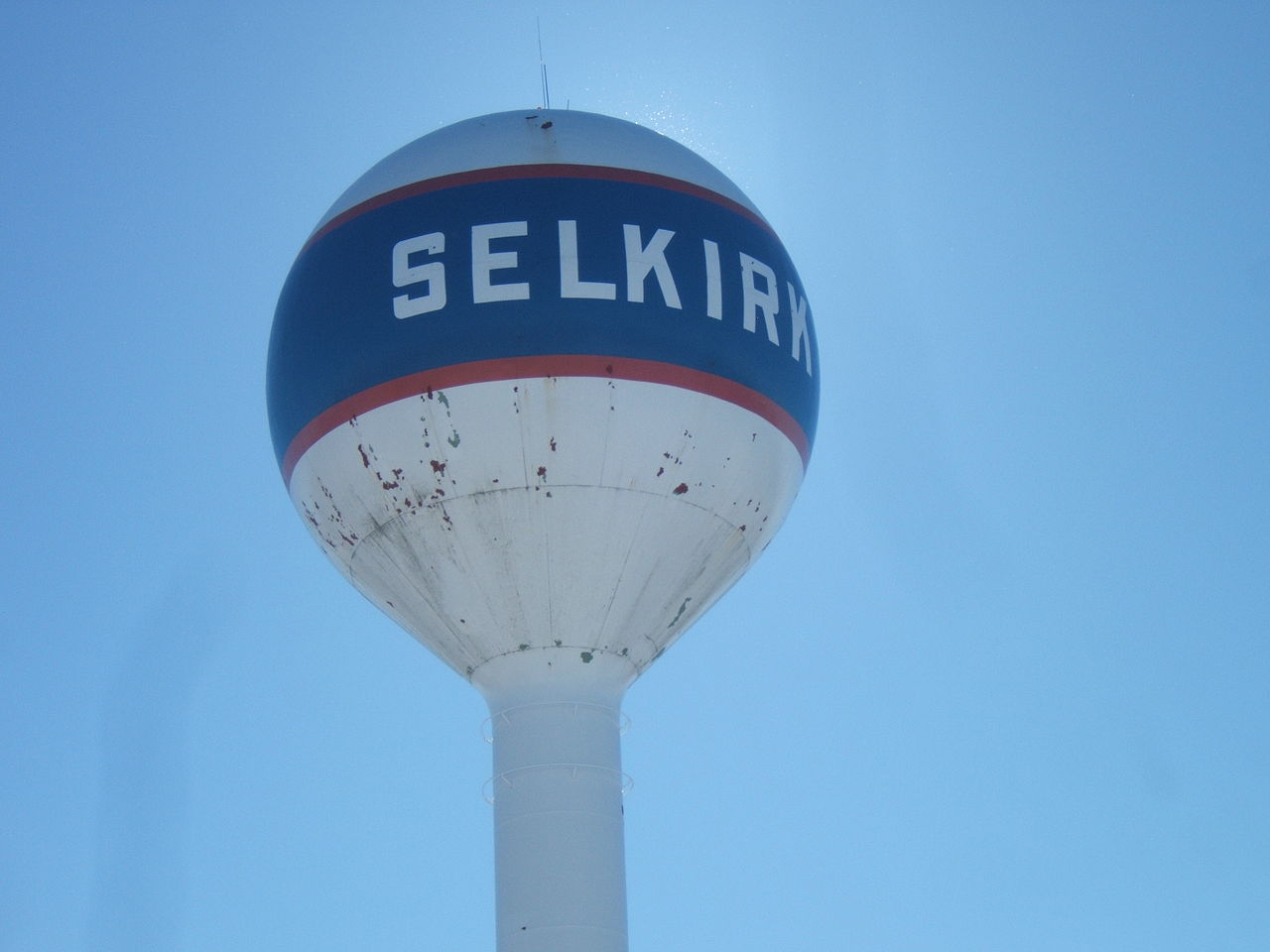




History
The area that became Selkirk developed in the 19th century as part of the wider Red River settlement. It grew around river transportation, trade and agricultural activity typical of the region. The community was incorporated as a town in the late 19th century and continued to grow through the 20th century as rail and road links strengthened ties with Winnipeg and surrounding municipalities.
Geography and economy
Selkirk sits on low-lying river plain with landscapes shaped by the Red River and seasonal flooding patterns. The local economy combines light industry, services, retail and recreational activities tied to the river. Agriculture in the surrounding countryside and transportation connections to larger markets have historically supported employment and commerce.
Culture, recreation and attractions
The city is known locally for river-based recreation and sport fishing; it is sometimes referred to by residents and visitors as a centre for catfish angling on the Red River. Parks, trails and community facilities provide outdoor and cultural programming. Annual events and a modest downtown support regional tourism and community life.
Characteristics and notable facts
- Named after the 5th Earl of Selkirk, linked to the Red River Colony era.
- Serves as a regional service and commercial node for nearby rural areas.
- Population recorded as 10,278 in the 2016 Canadian census.
Selkirk combines river heritage with small-city services and remains closely connected to Winnipeg by road and economic ties, making it a local hub within southern Manitoba.
Related articles
Author
AlegsaOnline.com Selkirk, Manitoba Leandro Alegsa
URL: https://en.alegsaonline.com/art/88699
Sources
- www12.statcan.gc.ca : Population and Dwelling Count Highlight Tables, 2016 Census – Census subdivisions
- www12.statcan.gc.ca : "Census 2011, Selkirk - City"