
Seine-et-Marne
Seine-et-Marne is a department in the Île-de-France region east of Paris, known for wide agricultural plains, large forests, historic towns and major tourist sites such as Fontainebleau and Disneyland Paris.

Overview. The Seine-et-Marne department lies in north-central France, forming the eastern portion of the Île-de-France region. Its administrative capital is Melun, and it was one of the original departments created during the French Revolution. Historically and geographically it takes its name from the two major rivers, the Seine and the Marne, which cross the territory.
Image gallery
10 Images




Landscape and environment
Seine-et-Marne is the largest department by area in the Île-de-France region and combines agricultural plains, river valleys and large forests such as the Forest of Fontainebleau. These varied landscapes support farming (notably the historic Brie area), nature recreation and important habitats for wildlife. See a regional overview of its landscape.

History and heritage
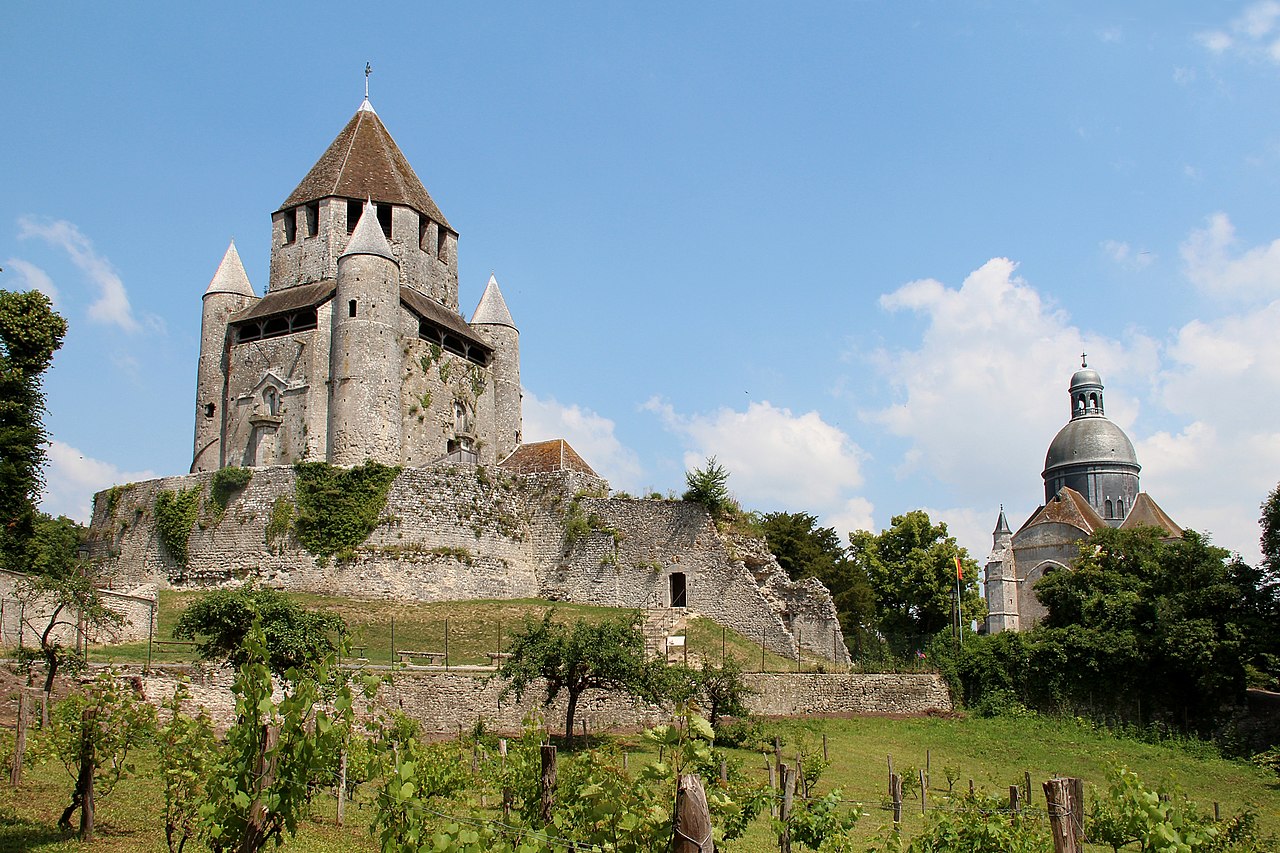
The department preserves medieval towns, royal châteaux and market traditions. The walled town of Provins is celebrated for its medieval fairs and ensemble of fortifications, while Fontainebleau is notable for its royal palace and extensive wooded parkland. Several manor houses and 17th–18th century estates, including Vaux-le-Vicomte, attract cultural tourism and study.
Economy, transport and population
Economically, Seine-et-Marne mixes intensive agriculture, light industry and suburbs that are part of the Paris commuter belt. Marne-la-Vallée, partly in the department, hosts major leisure and retail facilities including Disneyland Paris and related businesses. Transport links include national roads, motorways and rail connections into Paris, which shape commuting patterns and growth around Melun and other towns. For administrative details see the page for Melun. Population estimates and demographic notes are available from official statistics (population data).
Notable features
- Large forested areas used for recreation and study.
- Historic sites: Provins (medieval town), Fontainebleau (royal château).
- Important agricultural traditions, including the Brie cheese area.
- Part of Greater Paris with significant tourism and commuter communities.
Related articles
Author
AlegsaOnline.com Seine-et-Marne Leandro Alegsa
URL: https://en.alegsaonline.com/art/88595