
Selkirkshire: history, geography and cultural identity of a Scottish Borders county
Overview of Selkirkshire in the Scottish Borders: geography, towns, history, economy, customs and modern governance.
Overview
Selkirkshire is a historic county and traditional district in the south-east of Scotland, now entirely within the Scottish Borders council area. It takes its name from the town of Selkirk, long regarded as the county town and principal settlement. The area is best known for its upland valleys, rivers and a distinctive Border culture shaped by rural life and close links to neighbouring shires.
Image gallery
6 Images


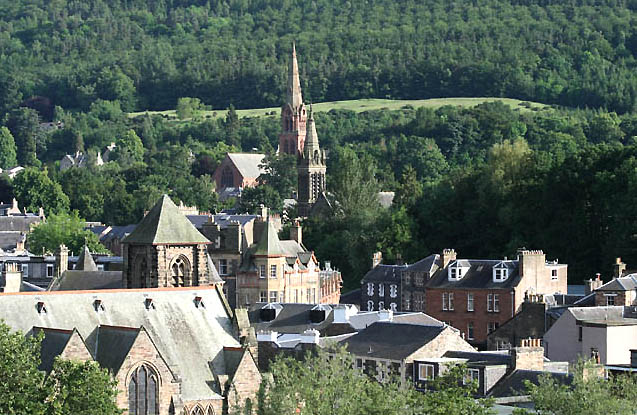

Geography and settlements
The county occupies a largely rural landscape of valleys and moorland drained by tributaries of the River Tweed. Notable waters include the Ettrick and the Yarrow, which cut through wooded slopes and open hills. Selkirkshire borders historically on Berwickshire, Peeblesshire and Midlothian, forming part of the network of Border counties. Principal settlements are centred on market towns and villages; the Royal Burgh of Selkirk remains the cultural heart.
History and identity
The county evolved from medieval shire structures associated with royal administration and local justice. Its landscape and communities were influenced by sheep farming, woodland management and the periodic border conflicts that shaped many aspects of life in the Borders. Over centuries a distinct local identity developed, expressed in dialect, customs and communal events.
Economy and culture
Historically, agriculture and the wool and textile trades were important sources of employment, with small-scale mills and cloth production linked to local rivers. Today the economy blends farming, tourism and light industry. Cultural life features traditional Border sports, music and annual gatherings; these celebrations recall the area's rural past while reinforcing community bonds.
Governance and modern status
Following twentieth-century reorganisation of local government the administrative functions of the historic county were transferred to larger regional and then unitary council structures. The whole area now lies within the Scottish Borders council area, though the historic name is still used in cultural and ceremonial contexts. For civic information see local resources such as municipal and heritage pages: local archives, tourism guides and government services.
Towns, features and notable facts
- Royal Burgh: Selkirk — traditional county town and focal point for festivals.
- Rivers: Ettrick and Yarrow — scenic valleys popular with walkers and anglers.
- Landscape: moorland and wooded glens that reflect historic agricultural uses.
- Cultural note: local Borders traditions and events maintain a strong sense of place.
Selkirkshire's importance lies less in modern administrative power and more in its role as a repository of Border history, landscape and community traditions. Visitors seeking rural scenery, walking country or the legacy of the Borders will find the area representative of Scotland's southern uplands and longstanding local customs.
Questions and answers
Q: Where is Selkirkshire located?
A: Selkirkshire is located in Scotland, next to Berwickshire, Peeblesshire and Midlothian.
Q: What is the Scottish Borders council area?
A: The Scottish Borders council area is the administrative area where the whole of Selkirkshire is located.
Q: What is the name of the town that Selkirkshire is named after?
A: Selkirkshire is named after the town of Selkirk.
Q: What is the county town of Selkirkshire?
A: The county town of Selkirkshire is the Royal Burgh of Selkirk.
Q: Is Selkirkshire a British county?
A: Yes, Selkirkshire is a British county in Scotland.
Q: What counties is Selkirkshire adjacent to?
A: Selkirkshire is adjacent to Berwickshire, Peeblesshire and Midlothian.
Q: What is the significance of the town of Selkirk in Selkirkshire?
A: The town of Selkirk is the namesake of Selkirkshire and is also its county town.
Related articles
Author
AlegsaOnline.com Selkirkshire: history, geography and cultural identity of a Scottish Borders county Leandro Alegsa
URL: https://en.alegsaonline.com/art/88701