
Seminole County, Georgia
Seminole County is a rural county in southwestern Georgia, named for the Seminole people. It features Donalsonville as its county seat, agricultural traditions, and recreational access to Lake Seminole and the Florida border.
Seminole County is a rural county in the southwestern corner of the U.S. state of Georgia. Named for the Native American Seminole people, the county is characterized by low population density, agricultural lands, and proximity to the Georgia–Florida border. Its seat and largest town is Donalsonville, which serves as the local center for government, services, and community events. For official information and resources, see the county's pages such as Seminole County.
Image gallery
2 Images
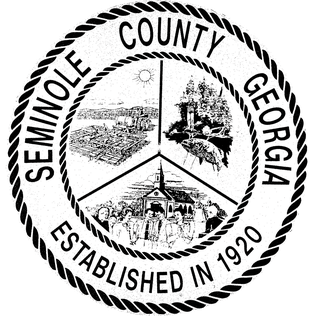
Geography and environment
The county lies in a mixed agricultural and forested landscape typical of southern Georgia. It includes low-lying riverine areas and is near Lake Seminole, a reservoir at the confluence of regional waterways that provides habitat for fish and waterfowl. The local climate is humid subtropical, with hot summers and mild winters, supporting row crops, pastures, and pine timber stands.
History and development
Seminole County was organized in the early 20th century and was named to acknowledge the area's historical connections to the Seminole people of the Southeast. Settlement and economic development followed patterns common to the region: agriculture—especially cotton and later diversified crops—timber harvesting, and small-town commerce. Over time transportation improvements and the creation of reservoir and recreational areas influenced the county's role in the region.
Economy, recreation, and land use
The county economy remains strongly tied to farming, forestry, and related industries, with service businesses concentrated in the county seat. Outdoor recreation is an important asset: fishing, boating, and hunting around Lake Seminole and nearby natural areas attract local visitors and sport anglers. Community festivals and county fairs reflect the agricultural calendar and local traditions.
Government, communities, and services
As one of Georgia's 159 counties, Seminole County is governed by a local commission and provides basic services such as public safety, courts, and road maintenance from its county offices. Donalsonville functions as the principal municipality and civic hub; several smaller unincorporated communities and rural settlements are scattered across the county.
Notable points and distinctions
- Named for the Seminole people, reflecting regional Indigenous history.
- Close to Lake Seminole, which supports recreational fishing and wildlife habitat.
- Represents a largely agricultural and forested part of southwestern Georgia.
Visitors and researchers interested in rural Southern communities, land and water management, or regional history will find Seminole County a representative example of small‑town life and natural-resource based economies in Georgia.
Related articles
Author
AlegsaOnline.com Seminole County, Georgia Leandro Alegsa
URL: https://en.alegsaonline.com/art/88753