
Melun — Prefecture of Seine‑et‑Marne in Île‑de‑France
Melun is a historic town on the Seine southeast of Paris, known as the prefecture of Seine‑et‑Marne, producer of Brie de Melun, and notable for medieval origins and modern administrative and industrial roles.
Overview
Melun is a sub‑regional town in north‑central France, located on a pronounced bend of the river Seine about 40 kilometres southeast of Paris. It serves as the prefecture (administrative capital) of the Seine‑et‑Marne department within the Île‑de‑France region. The town occupies a strategic position between the historic agricultural areas of Brie and Gâtinais and sits on terrain that rises from roughly 30 to 100 metres above sea level.
Image gallery
10 Images




Characteristics and economy
Melun combines public administration, services and light industry. It hosts departmental government offices and state institutions, including a long‑established police training school. Historically and today the area has food production linked to dairy farming: the town gives its name to Brie de Melun, a saltier, more robust form of Brie cheese compared with the more widely known Brie de Meaux. Other local economic activities include pharmaceutical and aerospace‑related firms, logistics and service sectors; there is also a penitentiary complex within the commune.
History and development
The site has deep historical roots. It was recorded by Roman writers as Melodunum and by the early medieval period as Meluneum. In the Merovingian era Melun rose in importance when Frankish rulers fortified the settlement; legend and chronicles link the town to events in the reign of Clovis I. Later, in the turbulent ninth century, Viking raids reached the town, with recorded attacks in the mid‑800s. During the French Revolution, when departments were created in 1790, Melun was chosen as the prefecture of the newly formed Seine‑et‑Marne and has remained an administrative centre since.
Culture, architecture and landmarks
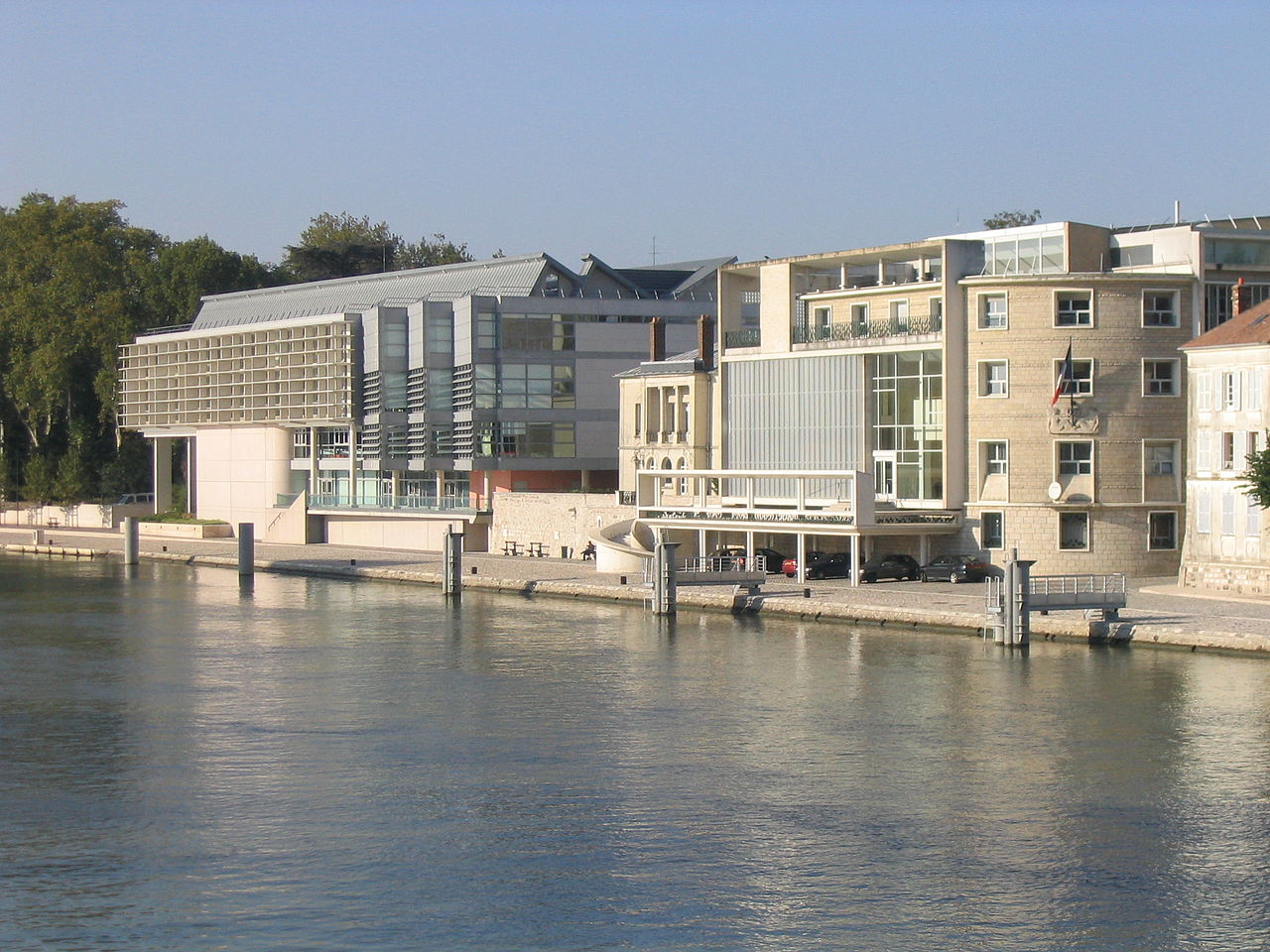
Melun retains a compact historic centre with medieval and later buildings concentrated near the river. Churches, municipal buildings and former defensive works reflect the town's long habitation and changing roles from fortified settlement to administrative and market town. Local culinary traditions — notably cheese — and periodic markets connect Melun with the agricultural plain that surrounds it.
Transport and modern links
Its proximity to Paris makes Melun part of the broader Parisian commuter area: it is served by road connections and public transport that link the town with the capital and surrounding communes. This accessibility supports daily commuting as well as industry and tourism. The town's location by the Seine has been important historically for movement of goods and people.
Notable facts and distinctions
- Prefecture of the Seine‑et‑Marne department since the department's creation in 1790.
- Gives its name to Brie de Melun, a traditional regional cheese with protected culinary recognition in local practice.
- Has been a site of continuous habitation from Roman times through the medieval period to the present.
Links and references
- Melun — general entry
- France — country overview
- Prefecture status
- Seine‑et‑Marne department
- Île‑de‑France region
- Paris and metropolitan area
- River Seine
- Elevation and geography
- Population statistics
- Police training school
- Aviation and aerospace industry
- Industrial overview
- Penitentiary complex
- Early medieval name
- Clovis I and the Merovingians
- Ducal and feudal ties
- Fortifications and defensive history
For targeted research, local archives and regional heritage services provide more detailed accounts of Melun's architecture, demographic changes and culinary traditions.
Questions and answers
Q: What is Melun?
A: Melun is a city in France. It is the capital of the Seine-et-Marne department, in the Île-de-France region of France.
Q: Where is Melun located?
A: Melun is located about 40 kilometres southeast of Paris, in a bend of the river Seine between Brie and Gâtinais.
Q: How high above sea level is Melun?
A: The elevation of Melun ranges from 37 metres to 102 metres above sea level.
Q: How many people live in Melun?
A: According to a count done in 1999, 37,500 people lived in Melun at that time.
Q: What industries are present in the city?
A: In addition to producing Brie de Melun cheese, there are also pharmaceutical and aviation industries as well as a prison complex located within the city limits.
Q: When was the first historical mention of the city made?
A: The first historical mention of the city was made by Julius Caesar in 52BC when he referred to it as "Melodunum".
Q: When did Clovis I make a duchy out of this area?
A: Clovis I established a duchy out of this area sometime during the 6th century when it was known as "Meluneum".
Q: When did Seine-et-Marne become an official département with its capital being set at Melun?
A:The département Seine-et-Marne was officially formed on 4th March 1790 with its capital being set at Melun.
Related articles
Author
AlegsaOnline.com Melun — Prefecture of Seine‑et‑Marne in Île‑de‑France Leandro Alegsa
URL: https://en.alegsaonline.com/art/63705