
Simone de Beauvoir: life, work, and influence
French writer and philosopher Simone de Beauvoir (1908–1986) examined freedom, gender, and ethics. Best known for The Second Sex, she produced novels, memoirs and political essays and shaped modern feminist thought.
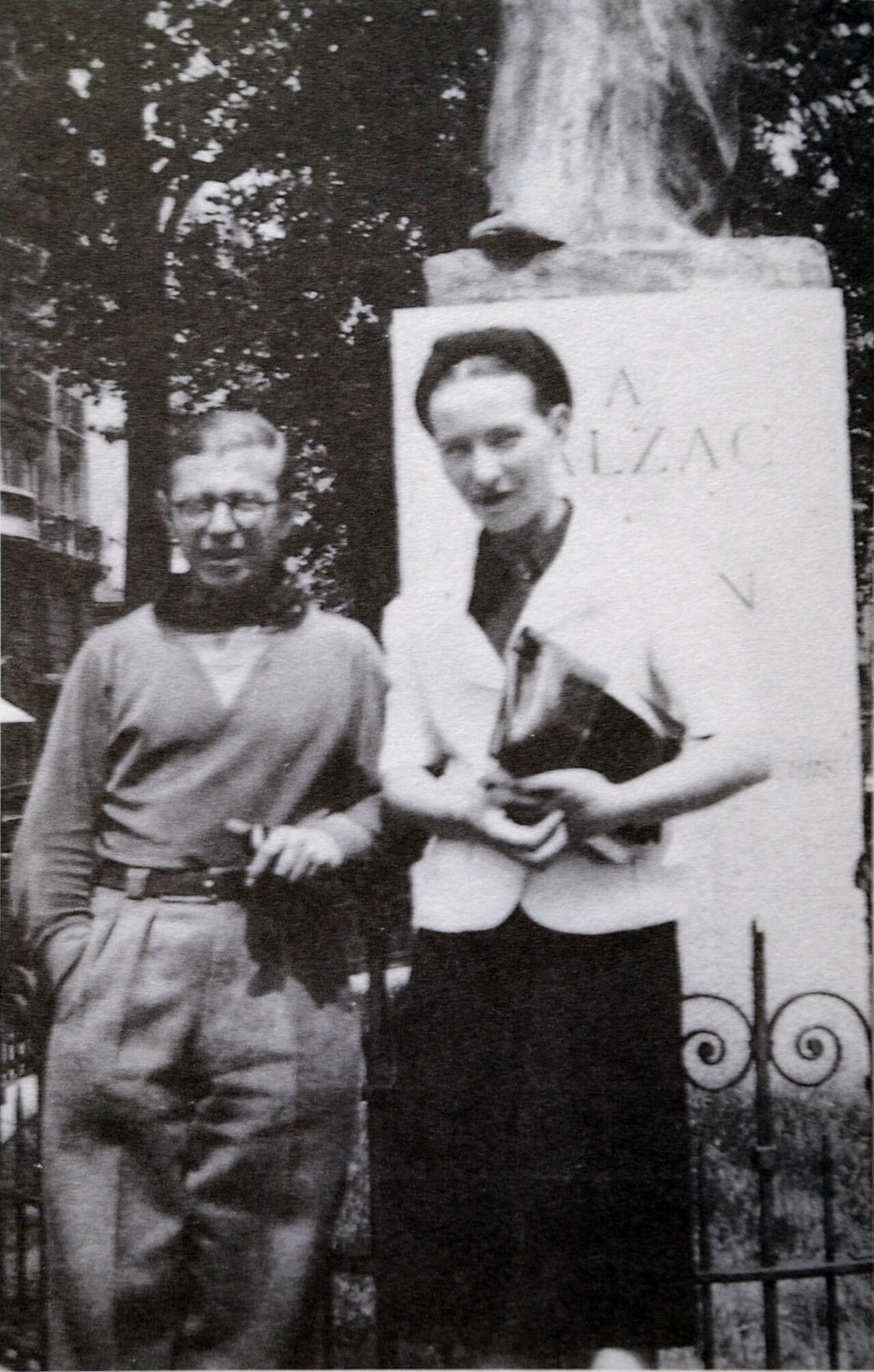
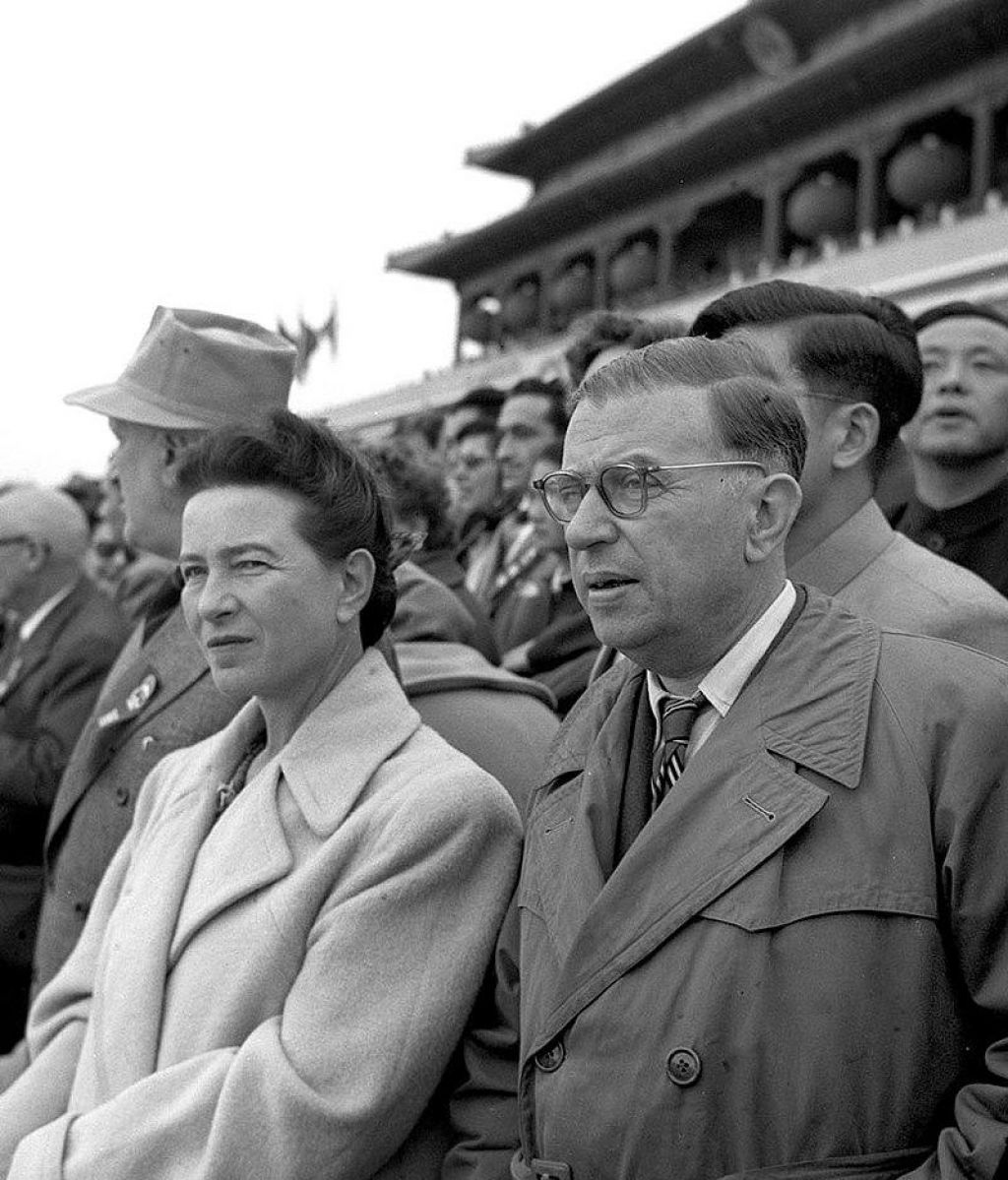
Simone de Beauvoir (9 January 1908 – 14 April 1986) was a French intellectual whose work spans philosophy, fiction and political engagement. Trained in philosophy at the University of Paris, she became widely known for exploring human freedom, moral responsibility, and the social construction of gender. Her public profile grew through both literary achievement and a lifelong intellectual partnership with Jean-Paul Sartre.

Image gallery
10 Images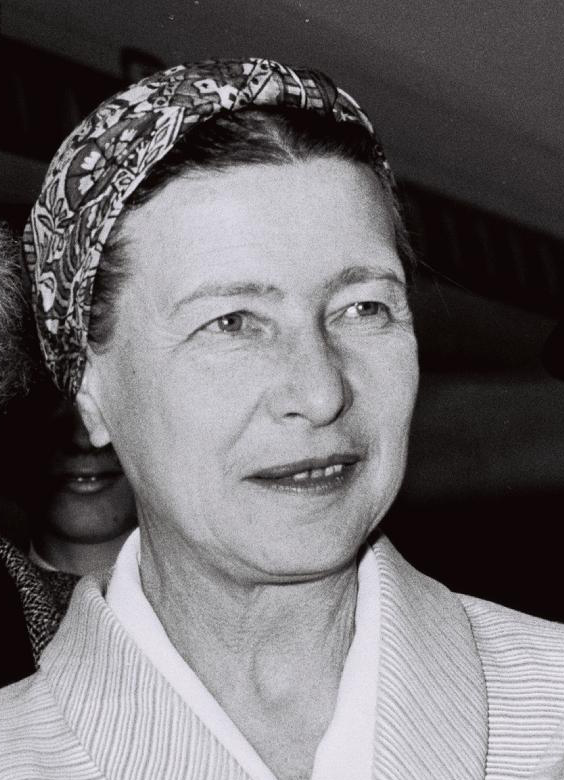




Overview and roles
De Beauvoir is commonly described as a writer and a philosopher. She produced novels, plays, essays, biographies and an extended autobiographical sequence. The pronunciations of her name are sometimes noted in dictionaries: UK pronunciation and US pronunciation. Her output combined literary form with philosophical argument, making complex ideas accessible to a broader audience.
Life and education
Born into a bourgeois family in Paris, de Beauvoir excelled in school and pursued advanced study in philosophy. She earned the qualifications necessary to teach and worked as a philosophy instructor for several years before concentrating on writing. Her partnership with Sartre, both personal and intellectual, shaped much of her public life: they maintained a celebrated, open-minded relationship and collaborated within circles often associated with existentialist thought.
Major works and themes
Her best-known philosophical work is The Second Sex (1949), a sustained analysis of women’s historical treatment and the cultural forces that define femininity. In it she examines biology, psychoanalysis, history and lived experience to argue that women have been cast as "the Other" and calls for social, political and personal change. Her novels, including important works translated into many languages, probe interpersonal freedom, dependency and identity; she also wrote an influential autobiographical series and several biographies. For general reference she wrote novels and an extended autobiography.
Impact, reception and legacy
De Beauvoir’s ideas contributed strongly to mid-20th-century debates about freedom and ethics and later informed second‑wave feminism. The Second Sex became a touchstone for activists and scholars by articulating how institutions and culture limit women’s opportunities. Her novels and essays continue to be studied for their blend of narrative craft and philosophical inquiry, and her life remains a subject of scholarly interest because of its intersections with politics, gender and intellectual history.
Notable facts
- She wrote across genres: fiction, essays, biography and memoir, and engaged directly in public debates.
- Her work addresses freedom, otherness, responsibility and the social construction of gender.
- Her public intellectual role and relationship with Sartre made her a prominent figure in postwar French culture.
Readers seeking deeper study may consult critical editions and translations, scholarly commentaries, and archival materials that document her correspondence and political activities. Her writing remains central to discussions about gender, ethics and the responsibilities of intellectuals in public life.
Questions and answers
Q: Who is Simone de Beauvoir?
A: Simone de Beauvoir was a French author and philosopher who wrote about philosophy, politics, and biographies, as well as novels and an autobiography.
Q: What were Simone de Beauvoir's best known books?
A: Simone de Beauvoir's best known books are She Came to Stay and The Mandarins.
Q: What was Simone de Beauvoir's best known writing about ideas?
A: Simone de Beauvoir's best known writing about ideas is The Second Sex, which describes the bad experiences of women in European society and suggests how women's lives can be improved.
Q: What did Simone de Beauvoir write about in her articles?
A: Simone de Beauvoir wrote articles about philosophy, ways of thinking or ways of living, and politics.
Q: When was Simone de Beauvoir born and when did she pass away?
A: Simone de Beauvoir was born on January 9, 1908, and passed away on April 14, 1986.
Q: Did Simone de Beauvoir write any biographies?
A: Yes, Simone de Beauvoir wrote biographies which are books about other people's lives.
Q: What kind of person was Simone de Beauvoir?
A: Simone de Beauvoir was a philosopher and writer who contributed greatly to the fields of philosophy and feminist theory.
Related articles
Author
AlegsaOnline.com Simone de Beauvoir: life, work, and influence Leandro Alegsa
URL: https://en.alegsaonline.com/art/90550
Sources
- guardian.co.uk : Academic tug-of-love over de Beauvoir legacy