
Sedevacantism
Sedevacantism is a Traditionalist Catholic position that the papal office has been vacant since the mid‑20th century; this article explains its beliefs, origins, varieties, and how it differs from other traditionalist movements.
Overview
Sedevacantism (from Latin sede vacante, "the seat being vacant") is the view, held by a small minority of Traditionalist Catholics, that the Roman pontiff presently occupying Saint Peter's office is not a legitimate pope and that the papal see has been effectively vacant since the mid‑20th century. Adherents argue that recent popes have espoused or tolerated doctrinal errors that invalidate their authority.
Image gallery
7 Images

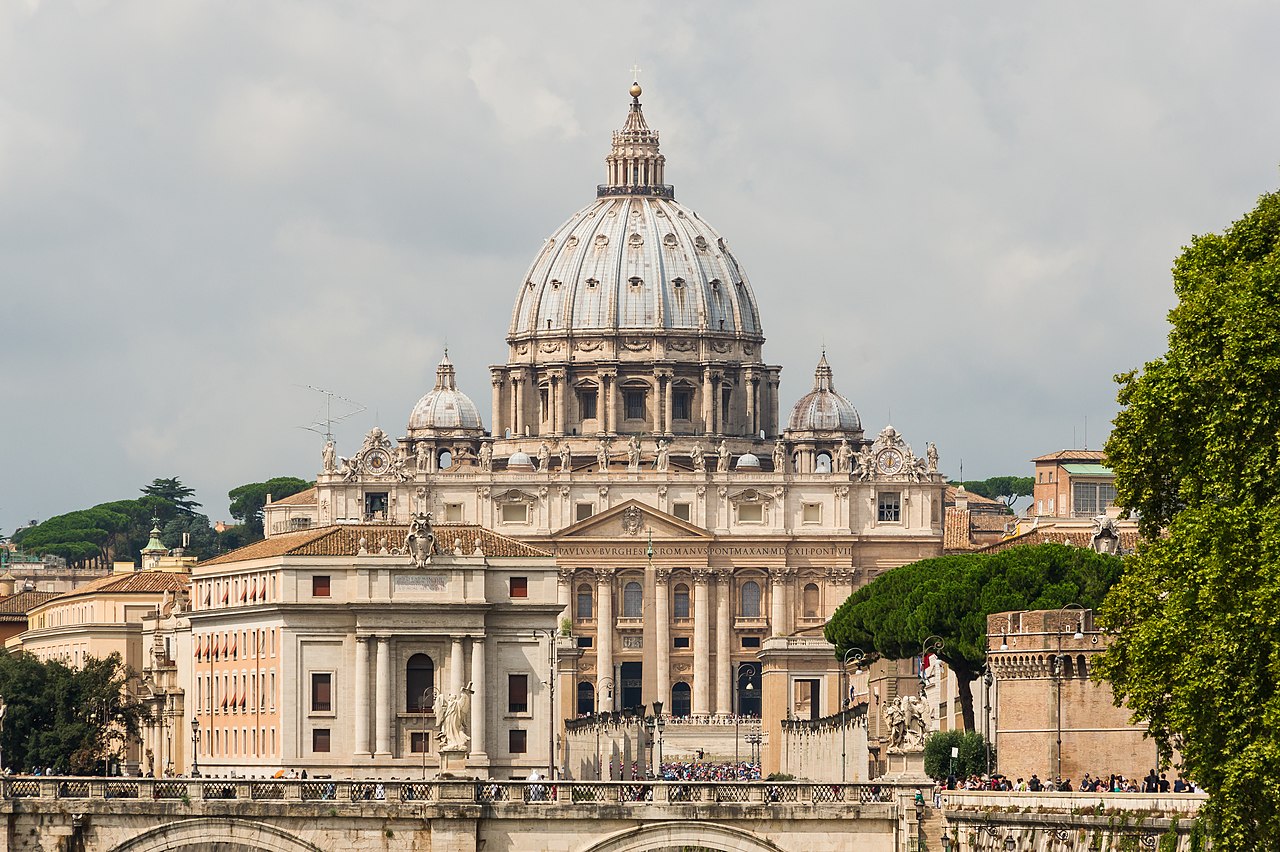

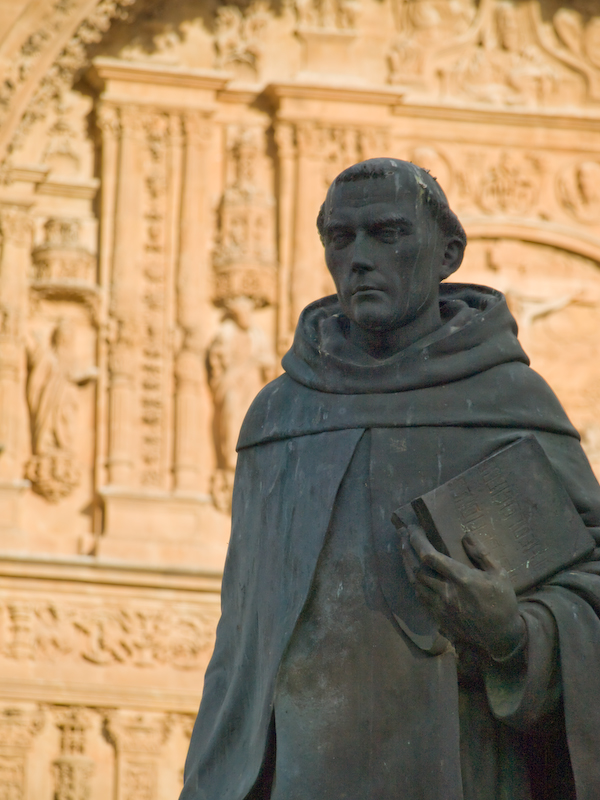
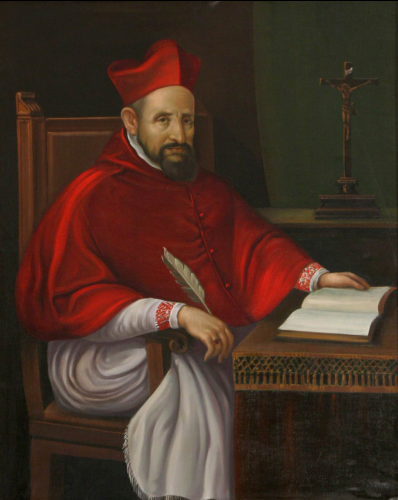

Core beliefs and rationale
Most sedevacantists claim that a pope who publicly and obstinately teaches heresy ceases to be pope because fidelity to revealed truth is essential to the office. Some identify the break with continuity as occurring after the death of Pope Pius XII in 1958; others point to changes associated with the Second Vatican Council and later magisterial developments.
History and development
The movement emerged in the 1960s and 1970s among clerics and laity disaffected by liturgical reform and ecumenical policies. It grew in scattered chapels and communities that rejected official post‑conciliar teachings and sought to retain pre‑Vatican II rites and disciplines.
Variations and groups
- Some adherents are strict sedevacantists who assert that no legitimate pope has reigned since the identified date.
- Others adopt related theories, such as sedeprivationism, which holds a pope may be pope materially but not formally while professing error.
- Small societies and independent chapels adopt sedevacantist positions; they are distinct from traditionalist groups that remain in communion with Rome.
Critics, including the wider Catholic Church and most theologians, reject sedevacantism as a minority interpretation. Officially, the Church maintains continuity of the papacy and its magisterium. For context on the term and disputed claims about the papal office, see the entry on the papal see.
Understanding sedevacantism requires distinguishing it from broader traditionalist concerns about liturgy and doctrine: not all who favor older rites deny the legitimacy of recent popes. The movement remains small but notable for its theological challenge to contemporary notions of papal authority.
Questions and answers
Q: What is Sedevacantism?
A: Sedevacantism is a belief held by a minority group of Traditionalist Catholics which posits that the person currently occupying the papal see is not a legitimate pope, and that since the death of Pope Pius XII in 1958, the see has been vacant.
Q: Who holds the belief of Sedevacantism?
A: Only a small group of Traditionalist Catholics hold the belief of Sedevacantism.
Q: What does Sedevacantism believe about the current pope?
A: According to Sedevacantism, the person who currently sits in the papal see is not a true pope.
Q: Why do Sedevacantists believe the papal see is empty?
A: Sedevacantists argue that following the death of Pope Pius XII in 1958, there has been a lack of a legitimate pope, and therefore the papal see has remained empty.
Q: Since when do Sedevacantists believe the papal see has been vacant?
A: Sedevacantists believe that the papal see has been vacant since the death of Pope Pius XII in 1958.
Q: Is Sedevacantism a widely accepted belief among Catholics?
A: No, Sedevacantism is a belief held by only a small minority of Traditionalist Catholics.
Q: What is the key idea behind Sedevacantism?
A: The key idea behind Sedevacantism is that the current pope is not a legitimate pope, and that there has been a lack of a good pope since the death of Pope Pius XII in 1958.
Related articles
Author
AlegsaOnline.com Sedevacantism Leandro Alegsa
URL: https://en.alegsaonline.com/art/88510
Sources
- books.google.com : Being Right: Conservative Catholics in America
- books.google.com : Fundamentalisms Observed