
Saxe-Hildburghausen: an Ernestine duchy of the House of Wettin
Former small duchy in Thuringia ruled by the Ernestine branch of the House of Wettin; centered on Hildburghausen and merged into neighboring Ernestine states in the 19th century.
Saxe-Hildburghausen was a small territorial duchy in what is now Thuringia, Germany, governed by a line of the Ernestine branch of the Wettin dynasty. It formed part of the complex constellation known collectively as the Ernestine duchies and traced its ruling house to the broader House of Wettin. The town of Hildburghausen served as the administrative and cultural center for the duchy.
Image gallery
7 Images


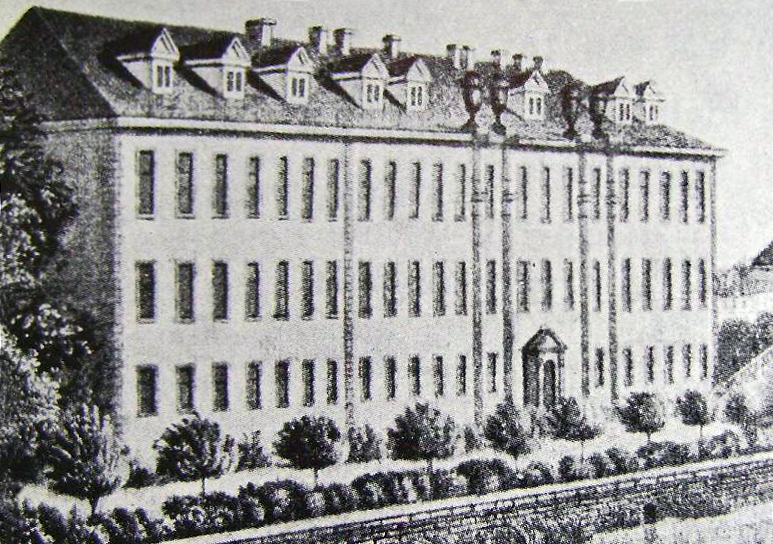

Origins and historical development
The duchy emerged from the repeated partitions of Ernestine Wettin lands in the early modern period, when dynastic fragmentation produced many small, semi-sovereign principalities. As with other Ernestine states, Saxe-Hildburghausen retained its own ducal court, institutions and regional identity even though its territory was relatively compact and often interleaved with neighboring domains.
Government, economy and society
Rule was monarchical under ducal authority, with administration centered on the capital. The economy was predominantly agrarian, complemented by local crafts, trade in market towns and services linked to the ducal household. The court supported cultural life: local churches, town halls and ducal residences were focal points for architecture, music and regional governance.
Later fate and legacy
In the 19th century the map of the Ernestine duchies was rearranged. During that reorganization Saxe-Hildburghausen ceased to exist as an independent duchy and its territory was incorporated into neighboring Ernestine states. Over time the area became part of the modern state of Thuringia and today the historical memory of the duchy survives in local museums, preserved buildings and regional historiography.
Notable aspects
- Compact duchy centered on the town of Hildburghausen, known for its ducal residence and municipal buildings.
- Representative of the fragmentation typical of the Ernestine branch of the Wettins.
- Left tangible cultural and architectural traces that contribute to Thuringian regional history.
For readers wanting a concise introduction, Saxe-Hildburghausen illustrates how dynastic partition and local sovereignty shaped central German political geography before the large-scale consolidations of the 19th century.
Related articles
Author
AlegsaOnline.com Saxe-Hildburghausen: an Ernestine duchy of the House of Wettin Leandro Alegsa
URL: https://en.alegsaonline.com/art/87685