
Sayyid dynasty (Delhi Sultanate, 1414–1451)
Short-lived fourth dynasty of the Delhi Sultanate (1414–1451), founded by Khizr Khan. Claimed Sayyid descent, exercised limited control around Delhi, and bridged the Tughlaq and Lodi periods of northern India.
Overview
The Sayyid dynasty was the fourth ruling house of the Delhi Sultanate, governing portions of northern India from 1414 until 1451. It was a brief and relatively weak interlude between the later Tughlaqs and the rise of the Lodi dynasty. The dynasty takes its name from the claim of its founders to be Sayyids, that is, descendants of the Prophet Muhammad through his daughter Fatimah. In political terms the Sayyids are commonly described as a transitional and often fragile authority that exercised direct control mainly in and around the capital.
Image gallery
7 Images


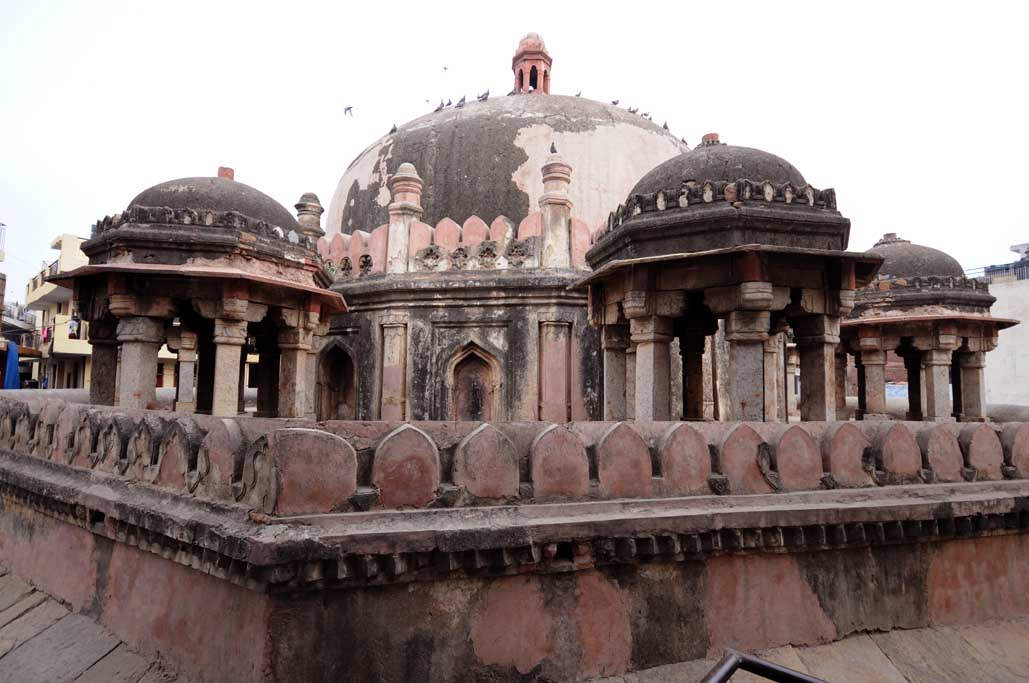
Rulers and administration
Four sultans are conventionally counted as members of the Sayyid line. Their power was constrained by powerful regional governors and the lingering disruptions caused by Timurid invasions in the previous decades. Administrative patterns tended to follow established timurid and earlier sultanate practices, but with diminished central reach.
- Khizr Khan (1414–1421) — founder and former provincial governor.
- Mubarak Shah (1421–1434) — consolidated local authority but faced factional challenges.
- Muhammad Shah (1434–1445) — continued limited rule with ongoing decentralization.
- Ala-ud-Din Alam Shah (1445–1451) — last Sayyid ruler; he withdrew from active rule and eventually left the throne to the emerging Lodi power.
Historical context and origins
The dynasty emerged in the chaotic aftermath of Timur's late 14th-century invasion and the decline of the Tughlaq state. Khizr Khan, often described as a former governor of Multan, established control over Delhi and its environs by asserting authority where central institutions had weakened. Rather than presiding over a large, consolidated empire, Sayyid rulers negotiated authority with regional chiefs and relied on traditional court offices to administer what remained of the Sultanate.
Significance and legacy
Although short-lived and far from triumphant, the Sayyid dynasty played a role in maintaining a continuous line of Indo-Islamic rulership centered on Delhi during a turbulent era. Their tenure preserved institutional frameworks—minting, court titles, and legal practices—that later dynasties adapted. The dynasty ended when the last Sayyid monarch yielded to the rising power of the Lodis, who established a more durable Afghan-led regime.
Notable characteristics
- Shortest of the principal Delhi Sultanate dynasties, lasting under four decades.
- Claimed Sayyid (Prophetic) descent, which gave them religious prestige though limited political strength.
- Territorial control was largely confined to Delhi and adjacent regions; provincial autonomy increased during their rule.
- Functioned as a bridge between the disintegration of Tughlaq authority and the consolidation achieved by the Lodi dynasty.
Questions and answers
Q: What was the Sayyid dynasty?
A: The Sayyid dynasty was the fourth dynasty of the Delhi Sultanate which ruled North India from 1414 to 1451.
Q: How many rulers were there in the Sayyid dynasty?
A: During the Sayyid dynasty, four rulers ruled North India.
Q: Was the Sayyid dynasty a long ruling dynasty?
A: No. The Sayyid dynasty was the shortest ruling dynasty of the Delhi Sultanate.
Q: Who founded the Sayyid dynasty?
A: The Sayyid dynasty was founded by a former governor of Multan.
Q: What was the duration of Sayyid dynasty's rule?
A: The rule of Sayyid dynasty lasted from 1414 to 1451.
Q: Which dynasty succeeded the Sayyid dynasty?
A: The Sayyid dynasty was displaced or succeeded by the Lodi dynasty.
Q: Which dynasty did the Sayyid dynasty succeed?
A: The Sayyid dynasty succeeded the Tughlaq dynasty.
Related articles
Author
AlegsaOnline.com Sayyid dynasty (Delhi Sultanate, 1414–1451) Leandro Alegsa
URL: https://en.alegsaonline.com/art/87723